

Wisconsin Energy Efficiency and Ethics 17 PDH Discount Package 3
Hydrogen and Fuel Cells (R08-003)
General Principles of Engineering Ethics (LE2-016)
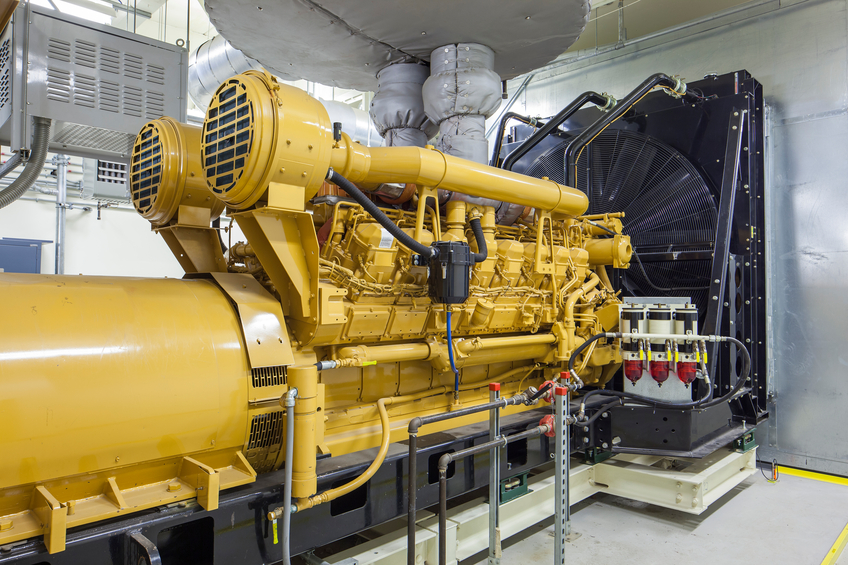
This online engineering PDH course provides guidance in new motor purchase decisions, and helps in identifying the energy and cost savings for motors that should be replaced with premium efficiency units.
The National Electrical Manufacturers Association (NEMA) adopted a NEMA Premium® efficiency motor standard in August of 2001. A motor can be marketed as a NEMA Premium motor if it meets or exceeds a set of minimum full-load efficiency levels.
These premium efficiency motor standards cover the 1 horsepower (hp) to 500 hp three-phase low-voltage NEMA Design A and B general, special, and definite purpose induction motors that are in widespread use in U.S. industrial facilities. The energy savings from replacing in-service standard and energy efficient motors with premium efficiency motor models can be substantial.
This 7 PDH online course is applicable to electrical and mechanical engineers and professionals who are interested in learning more about the performance, properties, selection and applications of premium efficiency motors.
This PE continuing education course is intended to provide you with the following specific knowledge and skills:
- Familiarizing with the in-service motor population and motor uses in the industrial sector
- Understanding the evolution of voluntary and mandatory motor efficiency standards
- Learning how to evaluate motor efficiency opportunities, address application considerations, and determine cost-effectiveness
- Gaining an overview of currently available and emerging advanced “Super Premium” efficiency motor technologies
- Understanding the preventive and predictive maintenance activities necessary to keep premium efficiency motors operating at peak efficiency
Upon successful completion of the quiz, print your Certificate of Completion instantly. (Note: if you are paying by check or money order, you will be able to print it after we receive your payment.) For your convenience, we will also email it to you. Please note that you can log in to your account at any time to access and print your Certificate of Completion.
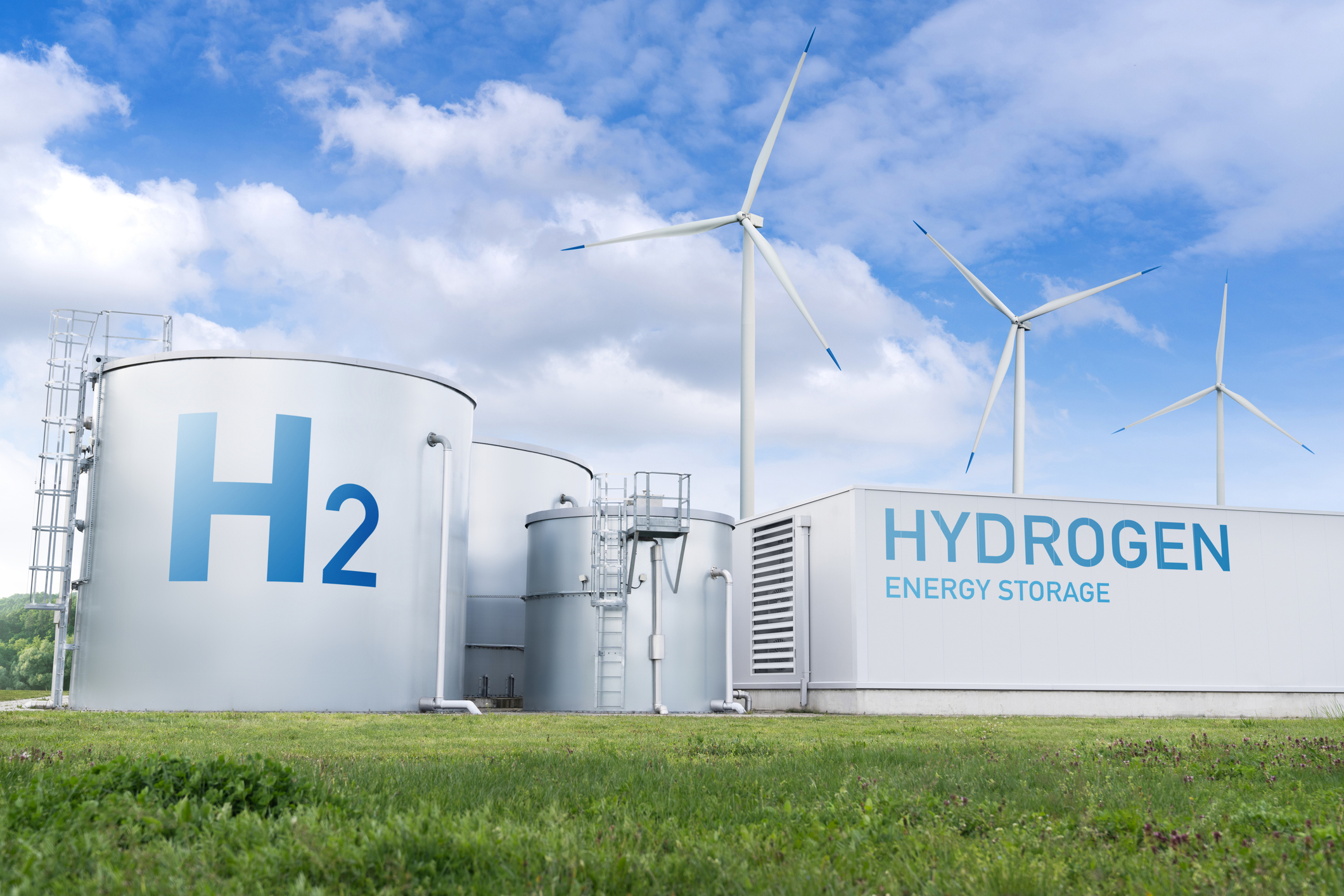
This online engineering PDH course offers a thorough introduction to hydrogen as a critical energy carrier for achieving a clean, sustainable energy future.
This course provides an overview of the science, technologies, and applications that enable hydrogen production, delivery, storage, and utilization in fuel cells. It introduces key concepts and examines both conventional and renewable production methods, including steam methane reforming, water electrolysis, and biological processes. Additionally, it explores advanced storage solutions such as compressed gas and metal hydrides, along with logistical considerations for hydrogen delivery using pipelines, tube trailers, and cryogenic transport.
Furthermore, this course delves into the operation and applications of fuel cells, focusing on Polymer Electrolyte Membrane (PEM) fuel cells commonly used in vehicles. It highlights the role of the Hydrogen and Fuel Cell Technologies Office (HFTO) and initiatives like H2@Scale, which aim to address various technological, economic, and institutional challenges.
This 8 PDH online course is applicable to energy engineers and other technical professionals interested in understanding the role of hydrogen in the transition to net-zero emissions.
This PE continuing education course is intended to provide you with the following specific knowledge and skills:
- Explaining the role of hydrogen and fuel cell technologies in achieving global net-zero emissions targets
- Describing key hydrogen production methods, including steam methane reforming, electrolysis with renewable energy, and biological processes
- Analyzing challenges and solutions in hydrogen delivery, covering pipelines, tube trailers, cryogenic transport, and compression systems
- Familiarizing with hydrogen storage technologies such as compressed gas, liquid hydrogen, and advanced materials like metal hydrides
- Understanding the principles and operation of fuel cells, with emphasis on Polymer Electrolyte Membrane (PEM) fuel cells
- Discussing technical, economic, and institutional barriers to hydrogen deployment and identify strategies to overcome them
- Assessing current innovations and emerging technologies in the hydrogen energy sector
Upon successful completion of the quiz, print your Certificate of Completion instantly. (Note: if you are paying by check or money order, you will be able to print it after we receive your payment.) For your convenience, we will also email it to you. Please note that you can log in to your account at any time to access and print your Certificate of Completion.

This online engineering PDH course presents the principles of engineering ethics that every engineer is expected to live by when practicing their profession.
Engineering ethics is (1) the study of moral issues and decisions confronting individuals and organizations involved in engineering and (2) the study of related questions about moral conduct, character, ideals and relationships of peoples and organizations involved in technological development (Martin and Schinzinger, Ethics in Engineering).
This course describes the fundamental legal concepts with which very engineer should be familiar. It also presents unique disciplinary case studies selected from across the nation, as well as hypothetical ethical challenges that demonstrate how difficult it can be to apply the code of ethics for engineers.
This 2 PDH online course is applicable to all professional engineers who are either required to fulfill 2 PDH in engineering ethics or are interested in broadening their understanding of what it means to practice and uphold the honor and integrity of their engineering profession while holding the utmost safety, health, and welfare of the public.
This PE continuing education course is intended to provide you with the following specific knowledge and skills:
- Understanding the common definition of ethics regarding engineering
- Learning about the important principles of the engineer’s professional responsibility
- Learning the do’s and don’ts through several ethical and disciplinary cases
- Understanding what it means to practise and uphold the honor and integrity of the engineering profession
Upon successful completion of the quiz, print your Certificate of Completion instantly. (Note: if you are paying by check or money order, you will be able to print it after we receive your payment.) For your convenience, we will also email it to you. Please note that you can log in to your account at any time to access and print your Certificate of Completion.