

South Carolina Construction Safety 30 PDH Discount Package 2
Fall Protection in Construction (C03-057)
Scaffold Use in the Construction Industry (S06-001)
Trenching and Excavation Safety (C02-072)
Operational Safety on Airports During Construction (C07-016)
Ground-Fault Protection on Construction Sites (E01-001)
Factors to Consider When Using Toxic Release Inventory Data (H01-003)
Building Terrorism Mitigation - Blast and CBR Measures (F04-002)

This online engineering PDH course describes the hazards of electrical work and basic approaches to working safely.
Whenever working with power tools or on electrical circuits, there is a risk of electrical hazards, especially electrical shock. Anyone can be exposed to these hazards at home or at work. Workers are exposed to more hazards because job sites can be cluttered with tools and materials, fast-paced, and open to the weather. Risk is also higher at work because many jobs involve electric power tools.
Electrical trades workers must pay special attention to electrical hazards because they work on electrical circuits. Coming in contact with an electrical voltage can cause current to flow through the body, resulting in electrical shock and burns. Serious injury or even death may occur. As a source of energy, electricity is used without much thought about the hazards it can cause. Because electricity is a familiar part of our lives, it often is not treated with enough caution. As a result, an average of one worker is electrocuted on the job every day of every year!
This 6 PDH online course is applicable to electrical and mechanical engineers, electricians, plant operators, construction personnel and others seeking an understanding of the basics of electrical system safety.
This PE continuing education course is intended to provide you with the following specific knowledge and skills:
- Understanding the dangers of electricity
- Understanding the dangers of electric shocks
- Familiarizing with the burns caused by electricity
- Learning how to recognize, evaluate, and control hazards
- Knowing how to work safely
Once you complete your course review, you need to take a multiple-choice quiz consisting of thirty (30) questions to earn 6 PDH credits. The quiz will be based on the entire document.
Upon successful completion of the quiz, print your Certificate of Completion instantly. (Note: if you are paying by check or money order, you will be able to print it after we receive your payment.) For your convenience, we will also email it to you. Please note that you can log in to your account at any time to access and print your Certificate of Completion.

This online engineering PDH course presents the OSHA guidelines for fall protection for protecting workers against potential fall hazards.
Historically, falls are the leading cause of fatalities in construction, accounting for about one-third of all fatalities in the industry. Workers involved in working at heights are exposed to potential fall hazards. Accidents involving falls are generally complex events frequently involving a variety of factors
OSHA recognizes that working at heights presents serious hazards to all workers involved. Consequently, the standard for fall protection deals with both the human and equipment-related issues in protecting workers from fall hazards.
This 3 PDH online course is intended for employers/business owners, engineers, managers and construction workers interested in better understanding the Fall Protection in Construction requirements and the reasons behind them.
This PE continuing education course is intended to provide you with the following specific knowledge and skills:
- Identifying potential fall hazards
- Selecting fall protection systems appropriate for existing conditions
- Implementing proper construction and installation of safety systems
- Training and supervising employees in the proper selection, use and maintenance of fall protection systems
In this professional engineering CEU course, you need to review the OSHA Standard, "Fall Protection in Construction", (OSHA 3146), published in 2015.
Once you complete your course review, you need to take a multiple-choice quiz consisting of twenty (20) questions to earn 3 PDH credits. The quiz will be based on this OSHA publication.
Upon successful completion of the quiz, print your Certificate of Completion instantly. (Note: if you are paying by check or money order, you will be able to print it after we receive your payment.) For your convenience, we will also email it to you. Please note that you can log in to your account at any time to access and print your Certificate of Completion.
This online engineering PDH course provides OSHA guidance on scaffolds for protecting workers using scaffolding systems on construction sites.
Scaffolding hazards continue to rank high on the list of most frequently cited standards in the construction industry. Workers involved in working on scaffolding systems are exposed to potential fall hazards. Scaffold-related accidents account for a significant number of fatalities in the construction workplace.
OSHA recognizes that working on scaffolding systems present serious hazards to all workers involved. Therefore, OSHA developed the Scaffold Standard to protect workers using scaffolding systems on construction sites.
This 6 PDH online course is applicable to employers/business owners, engineers, managers, construction contractors/workers and any other personnel working on construction projects that require scaffolding.
This PE continuing education course is intended to provide you with the following specific knowledge and skills:
- Scaffold capacity requirements
- Scaffold platform requirements
- Criteria for supported scaffolds versus suspended scaffolds
- Access and use requirements
- Fall and falling object requirements
- Specific scaffold and aerial lift requirements
- Training requirements
- Construction focused inspection guidelines
In this professional engineering CEU course, you need to review OSHA 3150, "A Guide to Scaffold Use in the Construction Industry".
Upon successful completion of the quiz, print your Certificate of Completion instantly. (Note: if you are paying by check or money order, you will be able to print it after we receive your payment.) For your convenience, we will also email it to you. Please note that you can log in to your account at any time to access and print your Certificate of Completion.

This online engineering PDH course provides guidance on the requirements for excavation and trenching operations. This course describes safe work practices that can protect workers from cave-ins and other hazards.
Trenching and excavation work presents serious hazards to all workers involved. Cave-ins pose the greatest risk and are more likely than some other excavation-related incidents to result in worker fatalities. One cubic yard of soil can weigh as much as a car. An unprotected trench can be an early grave. Employers must ensure that workers enter trenches only after adequate protections are in place to address cave-in hazards. Other potential hazards associated with trenching work include falling loads, hazardous atmospheres and hazards from mobile equipment. Following the requirements of OSHA Excavation standards will prevent or greatly reduce the risk of cave-ins and other excavation-related incidents.
This 2 PDH online course is intended for employers/business owners, engineers, managers, construction workers and any other personnel working on construction projects involving trenching and excavation safety.
This PE continuing education course is intended to provide you with the following specific knowledge and skills:
- Understanding the different risks and dangers of trenching and excavation operations
- Understanding the OSHA Excavation standards and how they protect workers
- Pre-planning excavation work
- Learning the basics of protective systems
Upon successful completion of the quiz, print your Certificate of Completion instantly. (Note: if you are paying by check or money order, you will be able to print it after we receive your payment.) For your convenience, we will also email it to you. Please note that you can log in to your account at any time to access and print your Certificate of Completion.

This online engineering PDH course discusses the key areas for maintaining safety during construction at an airport. It presents details on how to maintain a functioning airport during construction, how to keep construction zones safe, and when to have specific zones open or close during construction.
Safety at construction zones is paramount, and this is even more so at airports where multiple stakeholders are involved in the construction process, including but not limited to the FAA, airport operators, contractors, airport users, and military personnel (at military airports).
This 7 PDH online course is applicable to architects, construction managers, safety, civil, electrical, mechanical, and industrial engineers as well as others interested in learning more about how construction at an airport can be performed safely.
This PE continuing education course is intended to provide you with the following specific knowledge and skills:
- Understanding why maintaining safety at an airport during construction is important
- Learning how to best keep all involved parties and stakeholders safe
- Understanding what is involved in creating a construction safety and phasing plan (CSPP)
- Familiarizing with the guidelines on how to create a construction safety and phasing plan (CSPP)
Upon successful completion of the quiz, print your Certificate of Completion instantly. (Note: if you are paying by check or money order, you will be able to print it after we receive your payment.) For your convenience, we will also email it to you. Please note that you can log in to your account at any time to access and print your Certificate of Completion.
This online engineering PDH course provides OSHA's electrical requirements for ground fault circuit interrupters to protect workers against electrical hazards.
With the wide use of portable tools on construction sites, the use of flexible cords often becomes necessary. Hazards are created when cords, cord connectors, receptacles, and cord- and plug-connected equipment are improperly used and maintained. Shocks, burns or fire-related fatalities resulting from humans exposed to non-grounded equipment significantly contribute to the overall number of fatalities in the construction workplace.
OSHA recognizes that non-grounded equipment present serious hazards to all workers involved. Therefore, OSHA developed the Electrical Standard that contains the requirements for ground fault circuit interrupters (GFCIs) to protect workers against 120-volt electrical hazards on the construction site.
This 1 PDH online course is applicable to employers/business owners, engineers, managers, electricians, construction workers and any other personnel working with or around energized equipment that require grounding.
This PE continuing education course is intended to provide you with the following specific knowledge and skills:
- What is a GFCI
- What are some other ways to prevent electrical injury
- How can employers protect their workers
- What is the assured equipment grounding conductor program
In this professional engineering CEU course, you need to review OSHA 3007, "Ground-Fault Protection on Construction Sites".
Upon successful completion of the quiz, print your Certificate of Completion instantly. (Note: if you are paying by check or money order, you will be able to print it after we receive your payment.) For your convenience, we will also email it to you. Please note that you can log in to your account at any time to access and print your Certificate of Completion.

This online engineering PDH course provides a comprehensive overview of the Toxics Release Inventory (TRI) data, focusing on its significance, application, and the critical factors to consider when analyzing this data.
This course highlights the role of the Environmental Protection Agency (EPA) in compiling and disseminating TRI data, which encompasses information about toxic chemicals managed by various facilities in the United States. It explores the data collection processes, the types of chemicals reported, and the regulatory framework governing these releases. This course delves into key factors that impact the interpretation of TRI data, such as the toxicity of chemicals, the routes of exposure, and the context of environmental regulations. It explores methodologies for analyzing releases, understanding waste management practices, and assessing potential risks associated with toxic chemicals in communities. By engaging with real-world examples and case studies, the course shows how TRI data can inform industry practices, regulatory measures, and public health considerations.
This 1 PDH online course is applicable to chemical and environmental engineers, as well as other technical professionals interested in learning more about factors to consider when using toxic release inventory data.
This PE continuing education course is intended to provide you with the following specific knowledge and skills:
- Understanding the purpose and significance of the Toxics Release Inventory (TRI) and its role in environmental protection and public health
- Learning how to analyze TRI data, including methodologies for interpreting toxic chemical releases and waste management practices
- Knowing the key factors that influence exposure and risk assessments related to toxic chemicals reported in TRI
- Familiarizing with the regulatory framework governing TRI reporting and the compliance requirements for facilities handling toxic substances
- Understanding the concept of source reduction and its importance in minimizing toxic releases in industrial operations
- Learning about the various tools and resources available for accessing and utilizing TRI data effectively in stakeholder decision-making
- Knowing how to evaluate industrial practices and community impacts associated with TRI-reported chemicals to inform public health initiatives
- Familiarizing with best practices for engaging with communities concerning TRI data and potential environmental concerns related to toxic releases
In this professional engineering CEU course, you need to review the course document titled, “Factors to Consider When Using Toxic Release Inventory Data”, which is based on the U.S. Environmental Protection Agency (EPA), Publication No. 260R19001, “Factors to Consider When Using Toxic Release Inventory Data”.
Upon successful completion of the quiz, print your Certificate of Completion instantly. (Note: if you are paying by check or money order, you will be able to print it after we receive your payment.) For your convenience, we will also email it to you. Please note that you can log in to your account at any time to access and print your Certificate of Completion.
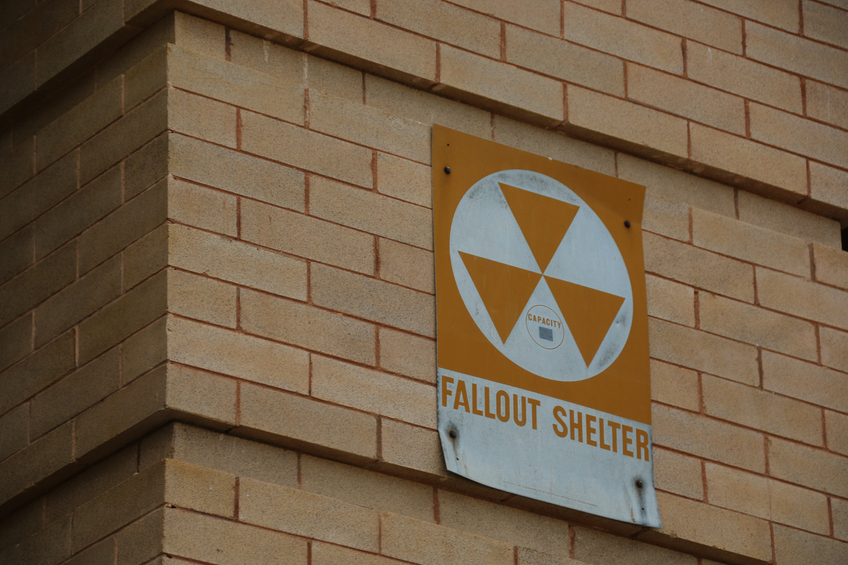
This online engineering PDH course provides guidance on the various explosive blast mitigation measures as well as chemical, biological and radiological (CBR) protective measures. It discusses explosion effects, building damage, injuries, levels of protection, stand-off distance, and predicting blast loads and effects. It also presents protective measures and actions to safeguard the occupants of a building from CBR threats based on guidance from the CDC/NIOSH and the DOD. These measures include evacuation, sheltering in place, personal protective equipment, air filtration and pressurization, and exhausting and purging, as well as CBR detection.
This 4 PDH online course is applicable to engineers, planners, architects, landscape designers, construction and operations personnel, security and law enforcement agents, as well as consultants and contractors to gain a better understanding in identifying and implementing explosive blast and CBR protective measures against potential terrorist attacks.
This PE continuing education course is intended to provide you with the following specific knowledge and skills:
- Understanding the blast process and effects (chemical reaction, blast shockwave, incident and reflected pressures, building damage and injuries)
- Estimating the minimum standoff distance based on a given design threat
- Predicting blast loads and effects
- Implementing various design protective measures for CBR mitigation
In this professional engineering CEU course, you need to review Chapter 4 “Explosive Blast” and Chapter 5 “Chemical, Biological, and Radiological Measures” of the FEMA Publication tilted, “Mitigating Potential Terrorist Attacks Against Buildings” (FEMA 426).
Upon successful completion of the quiz, print your Certificate of Completion instantly. (Note: if you are paying by check or money order, you will be able to print it after we receive your payment.) For your convenience, we will also email it to you. Please note that you can log in to your account at any time to access and print your Certificate of Completion.