

Minnesota Chemical and Ethics 24 PDH Discount Package 2
Reactor Water Chemistry (H03-001)
An Introduction to Makeup Water for Industrial Water Systems (H03-006)
An Introduction to Pretreatment Considerations for Water Desalination (H02-006)
Building Field Capabilities to Respond to Drinking Water Contamination (H03-009)
Chemical Safety for Sustainability (H05-005)
Disinfection with Peroxone (H02-010)
Factors to Consider When Using Toxic Release Inventory Data (H01-003)
Ethics in Professional Practice (LE2-007)
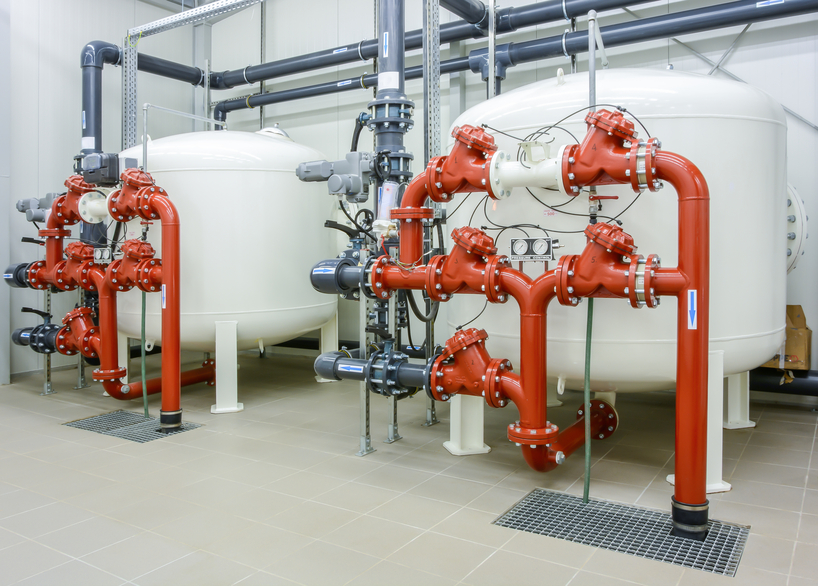
This online engineering PDH course addresses the principles of ion exchange in the context of water purity. It also discusses typical water treatment methods and the basis for these methods.
Water treatment is necessary to remove the impurities that are contained in water as found in nature. Control or elimination of these impurities is necessary to combat corrosion, scale formation, and fouling of heat transfer surfaces throughout facility support systems.
This 3 PDH online course is applicable to chemical and environmental engineers, design and construction personnel, technical staff and facility operators who are interested in gaining a better understanding of the principles of water treatment.
This PE continuing education course is intended to provide you with the following specific knowledge and skills:
- Water treatment processes
- Dissolved gases
- Suspended solids
- pH control
- Water purity
In this professional engineering CEU course, you need to review Module 4, "Principles of Water Treatment" of the Department of Energy Publication DOE-HDBK-1015/1-93, "Chemistry".
Upon successful completion of the quiz, print your Certificate of Completion instantly. (Note: if you are paying by check or money order, you will be able to print it after we receive your payment.) For your convenience, we will also email it to you. Please note that you can log in to your account at any time to access and print your Certificate of Completion.

This online engineering PDH course describes the chemical measures taken to retard the corrosion often found in water systems. It also addresses the consequences of radioactivity on facility cooling water systems.
Radiation synthesis is a process that takes place in the reactor coolant system. This phenomenon is limited to the reactor coolant system because of the high flux (radiation) levels that exist in the core region and further complicate chemistry control of the reactor plant.
This 3 PDH online course is applicable to chemical engineers, design and construction personnel, technical staff and facility operators who are interested in gaining a better understanding of the reactor water chemistry.
This PE continuing education course is intended to provide you with the following specific knowledge and skills:
- Understanding water chemistry parameters
- Understanding the effects of radiation on water chemistry
In this professional engineering CEU course, you need to review Module 3, "Reactor Water Chemistry" of the Department of Energy Publication DOE-HDBK-1015/1-93, "Chemistry".
Upon successful completion of the quiz, print your Certificate of Completion instantly. (Note: if you are paying by check or money order, you will be able to print it after we receive your payment.) For your convenience, we will also email it to you. Please note that you can log in to your account at any time to access and print your Certificate of Completion.
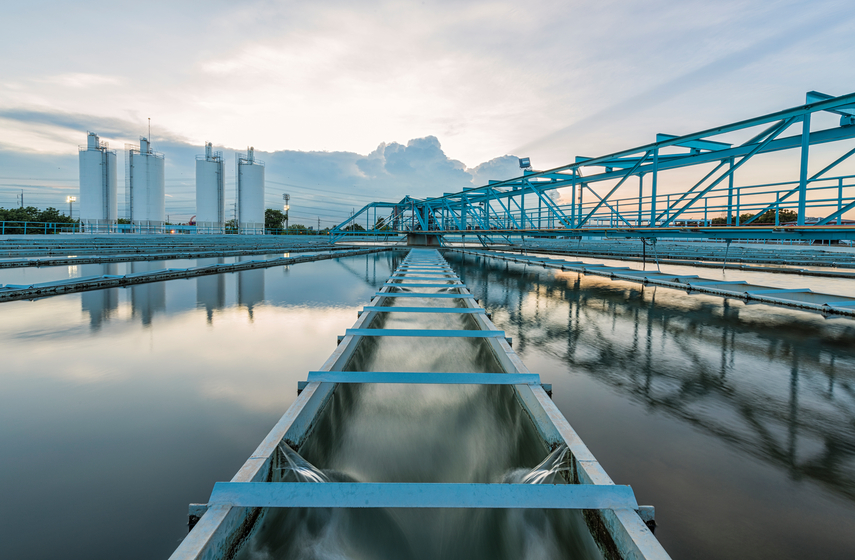
This online engineering PDH course provides an introduction to the techniques and methods for treating makeup water used in industrial water systems.
Many installations use fresh water and, often, potable water. Makeup water, often referred to as "makeup," is fresh water that is added to an industrial water system to replace water lost by blowdown, evaporation, wind drift, leaks, steam, humidification, or withdrawal from these systems. The usual source of makeup water is the installation's potable water supply. This source is water that has been conditioned and is usually of a very uniform quality from day to day. Other sources of makeup water could include groundwater obtained from shallow or deep wells, or surface water from streams or holding ponds. These sources are not treated to the extent that the potable water source is treated. Still another source is reuse water (i.e., water that is "used" and reclaimed and not rated as potable).
This 3 PDH online course is intended for mechanical engineers, civil engineers and other design and construction professionals seeking an introduction to makeup water and makeup water treatment for industrial water systems.
This PE continuing education course is intended to provide you with the following specific knowledge and skills:
-
Learning about different sources of makeup water
-
Understanding the reasons for treating makeup water
-
Knowing the criteria for treating makeup water for high temperature hot water systems
-
Learning about the methods for the removal or reduction of calcium and magnesium impurities from makeup water
-
Understanding how aeration is employed to remove dissolved iron
-
Understanding how to remove dissolved gases such as carbon dioxide, hydrogen sulfide and methane
In this professional engineering CEU course, you need to review the course document titled, "An Introduction to Makeup Water for Industrial Water Systems".
Upon successful completion of the quiz, print your Certificate of Completion instantly. (Note: if you are paying by check or money order, you will be able to print it after we receive your payment.) For your convenience, we will also email it to you. Please note that you can log in to your account at any time to access and print your Certificate of Completion.
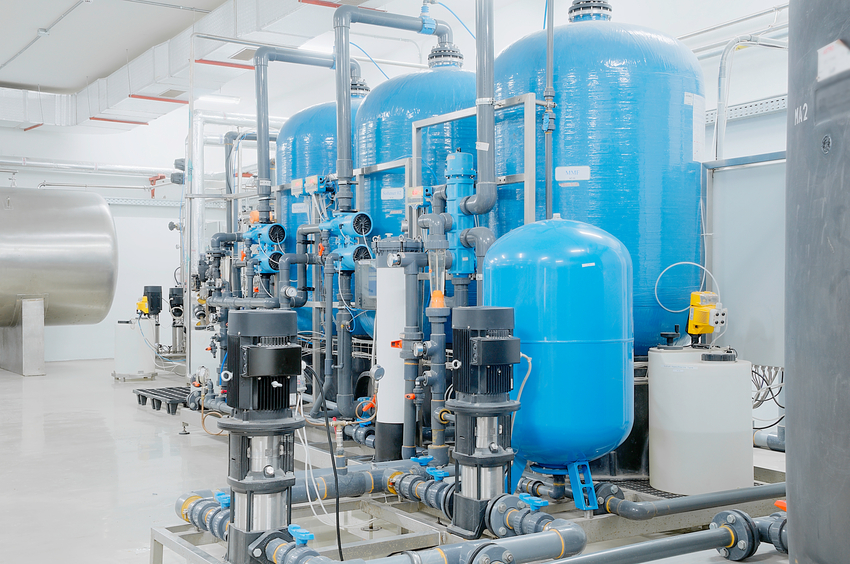
This online engineering PDH course will introduce you to pretreatment techniques, such as solids removal, chemical treatment, filtration, coagulation, pH adjustment, scale inhibition, degasification, deaeration, disinfection and ultraviolet irradiation, at desalination plants.
Water desalination systems may employ different technologies depending on a variety of technical and economic factors. To one degree or another, these technologies may require pretreatment of the feed water stream in order to produce potable water that is healthy and has a pleasant taste.
This 2 PDH online course is intended for mechanical engineers, civil engineers, electrical engineers and other design and construction professionals wanting an introduction to source water pretreatment considerations for water desalination plants. After completion of this course you will be prepared for advanced learning about water desalination to prepare you for desalination project planning and design.
This PE continuing education course is intended to provide you with the following specific knowledge and skills:
- Understanding the principle technologies of water desalination
- Learning about the need for the pretreatment of source water at desalination plants
- Learning about the techniques for solids removal
- Learning about chemical pretreatment processes
- Learning about filtration and coagulation techniques
- Learning about the methods for scale inhibition
- Learning about disinfection using ultraviolet irradiation
In this professional engineering CEU course, you need to review the course document titled, "An Introduction to Pretreatment Considerations for Water Desalination".
Upon successful completion of the quiz, print your Certificate of Completion instantly. (Note: if you are paying by check or money order, you will be able to print it after we receive your payment.) For your convenience, we will also email it to you. Please note that you can log in to your account at any time to access and print your Certificate of Completion.
This online engineering PDH course provides guidance on building field capabilities in order to respond to the contamination of drinking water. The course also provides planning and implementation guidance, templates, customizable report forms, and other documentation for Sampling and Analysis (S&A) activities.
When performed in response to possible or credible drinking water contamination, the goal of Sampling and Analysis (S&A) is to confirm or rule out contamination through field and laboratory testing. It is one of the earliest utility-led activities initiated when the utility has activated its drinking water contamination response plan and continues throughout remediation and recovery if contamination is confirmed.
This 3 PDH online course is intended for chemical and environmental engineers as well as others who are interested in learning more about building field capabilities in order to respond to the contamination of drinking water.
This PE continuing education course is intended to provide you with the following specific knowledge and skills:
- Familiarizing with planning and documentation for visual site hazard assessment, sample collection, and sample packaging and shipping
- Familiarizing with planning and documentation for site safety screening, rapid field testing, and hazardous materials packaging and shipping
- Understanding the staffing requirements to perform basic and advanced field activities
- Taking into consideration field response health and safety
- Familiarizing with quality assurance and quality control
- Understanding emergency response procedures
- Familiarizing with the considerations for preparation, placement, and contents of emergency response sampling and analysis kits
Upon successful completion of the quiz, print your Certificate of Completion instantly. (Note: if you are paying by check or money order, you will be able to print it after we receive your payment.) For your convenience, we will also email it to you. Please note that you can log in to your account at any time to access and print your Certificate of Completion.
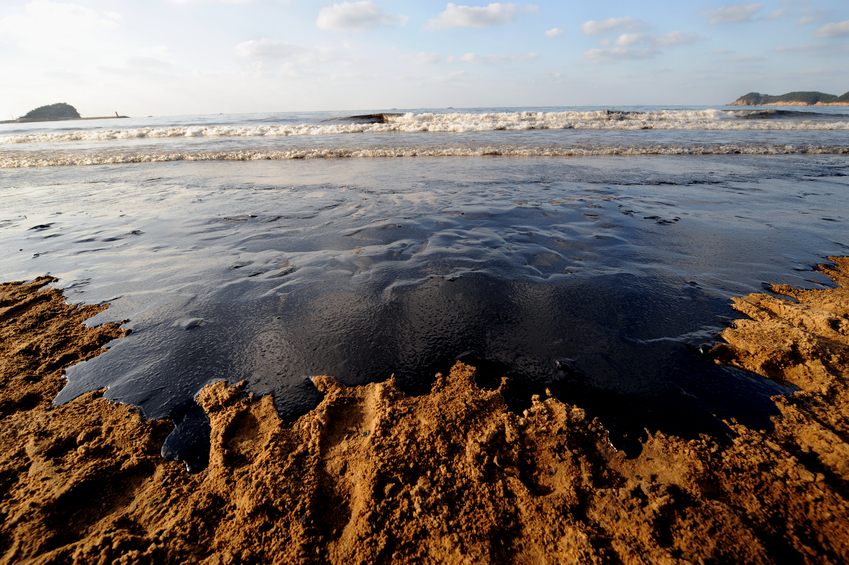
This online engineering PDH course provides an overview of the new strategic plan developed by the U.S. Environmental Protection Agency (EPA) with regard to chemical safety.
The EPA’s Chemical Safety for Sustainability (CSS) National Research Program is focused on addressing the pressing environmental and health challenge of a lack of sufficient information on chemicals needed to make informed, risk-based decisions.
The impetus for the program is to meet the shared health and environmental protection goals of the Agency’s program and regional offices, states, and Tribes while performing transformative research, leading to improved science-based approaches that build broader understanding of biology, chemical toxicity, and exposure.
This 5 PDH online course is applicable to chemical and environmental engineers, as well technical staff and facility operators who are interested in gaining a better understanding of chemical safety.
This PE continuing education course is intended to provide you with the following specific knowledge and skills:
- Familiarizing with the CSS NRP Strategic Research Action Plan (StRAP)
- Knowing the vision and direction behind the program
- Understanding the different research topics and research areas of CSS research program
- Learning the possible methods of implementing the StRAP
- Familiarizing with the cross-cutting research priorities
Upon successful completion of the quiz, print your Certificate of Completion instantly. (Note: if you are paying by check or money order, you will be able to print it after we receive your payment.) For your convenience, we will also email it to you. Please note that you can log in to your account at any time to access and print your Certificate of Completion.
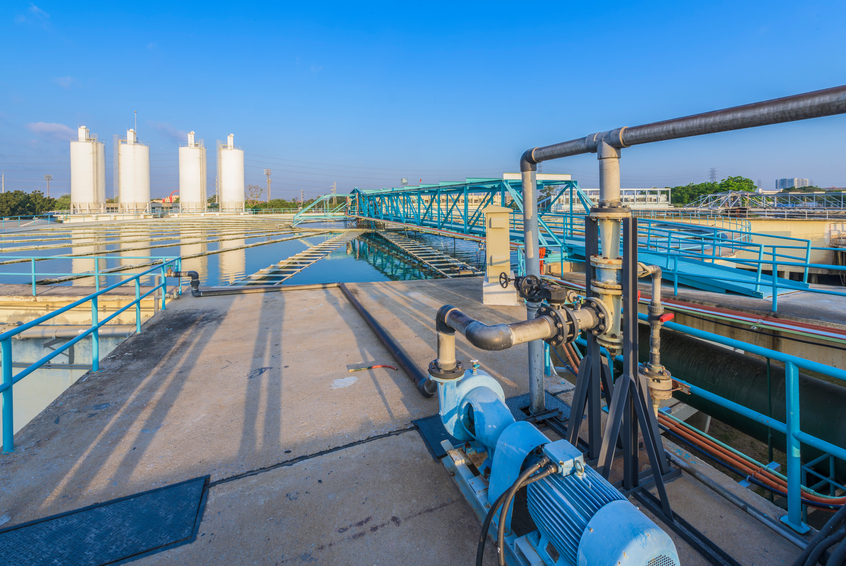
This online engineering PDH course provides guidance on the use of this rapid, strongly oxidizing process.
Addition of hydrogen peroxide to ozonated water increases the rate of ozone decomposition and generates hydroxyl free radicals in what is known as the peroxone advanced oxidation process.
This 2 PDH online course is intended for civil, environmental, and chemical engineers who are interested in gaining knowledge about the use of the ozone/hydrogen peroxide combination known as peroxone for disinfection and oxidation. However, this course could appeal to engineers of other disciplines as well.
This PE continuing education course is intended to provide you with the following specific knowledge and skills:
- Understanding the chemistry of the peroxone disinfection/oxidation process
- Learning the similarities and differences between the molecular ozone and peroxone processes
- Familiarizing with general guidelines for the application of the peroxone process
- Understanding the advantages and disadvantages of peroxone use in comparison with other disinfection/oxidation processes
In this professional engineering CEU course, you need to review Chapter 7 titled, "Peroxone (Ozone/Hydrogen Peroxide)", which is part of the EPA Guidance Manual, "Alternative Disinfectants and Oxidants".
Upon successful completion of the quiz, print your Certificate of Completion instantly. (Note: if you are paying by check or money order, you will be able to print it after we receive your payment.) For your convenience, we will also email it to you. Please note that you can log in to your account at any time to access and print your Certificate of Completion.
This online engineering PDH course provides a comprehensive overview of the Toxics Release Inventory (TRI) data, focusing on its significance, application, and the critical factors to consider when analyzing this data.
This course highlights the role of the Environmental Protection Agency (EPA) in compiling and disseminating TRI data, which encompasses information about toxic chemicals managed by various facilities in the United States. It explores the data collection processes, the types of chemicals reported, and the regulatory framework governing these releases. This course delves into key factors that impact the interpretation of TRI data, such as the toxicity of chemicals, the routes of exposure, and the context of environmental regulations. It explores methodologies for analyzing releases, understanding waste management practices, and assessing potential risks associated with toxic chemicals in communities. By engaging with real-world examples and case studies, the course shows how TRI data can inform industry practices, regulatory measures, and public health considerations.
This 1 PDH online course is applicable to chemical and environmental engineers, as well as other technical professionals interested in learning more about factors to consider when using toxic release inventory data.
This PE continuing education course is intended to provide you with the following specific knowledge and skills:
- Understanding the purpose and significance of the Toxics Release Inventory (TRI) and its role in environmental protection and public health
- Learning how to analyze TRI data, including methodologies for interpreting toxic chemical releases and waste management practices
- Knowing the key factors that influence exposure and risk assessments related to toxic chemicals reported in TRI
- Familiarizing with the regulatory framework governing TRI reporting and the compliance requirements for facilities handling toxic substances
- Understanding the concept of source reduction and its importance in minimizing toxic releases in industrial operations
- Learning about the various tools and resources available for accessing and utilizing TRI data effectively in stakeholder decision-making
- Knowing how to evaluate industrial practices and community impacts associated with TRI-reported chemicals to inform public health initiatives
- Familiarizing with best practices for engaging with communities concerning TRI data and potential environmental concerns related to toxic releases
In this professional engineering CEU course, you need to review the course document titled, “Factors to Consider When Using Toxic Release Inventory Data”, which is based on the U.S. Environmental Protection Agency (EPA), Publication No. 260R19001, “Factors to Consider When Using Toxic Release Inventory Data”.
Upon successful completion of the quiz, print your Certificate of Completion instantly. (Note: if you are paying by check or money order, you will be able to print it after we receive your payment.) For your convenience, we will also email it to you. Please note that you can log in to your account at any time to access and print your Certificate of Completion.

In this online engineering PDH course, background on the philosophical models that guide ethical behavior is discussed and then applied to specific situations in engineering codes of ethics. This course is based on the American Society of Mechanical Engineers Professional Practice Curriculum, Volume 8, Section: Engineering Ethics.
Many engineering organizations have drafted codes of ethics to which their members are required to commit. Generally, these codes are quite similar and are based on a few fundamental principles which provide guidance to professional engineers in common situations. Nevertheless, there are many difficult or ambiguous situations in which the best ethical solution is difficult to determine.
This 2 PDH online course is intended primarily for engineers seeking to learn ethical principles and how to apply them to their professional practice.
This PE continuing education course is intended to provide you with the following specific knowledge and skills:
-
Determining ethical behavior using several philosophical models
-
Evaluating a practical situation in terms of a professional code of ethics
-
Identifying situations that represent conflicts of interest and formulate a proper response
-
Applying the standards of professional ethics in technical communication
-
Recognizing environmental impacts of engineering work
-
Considering principles of sustainable development in the performance of professional duties
In this professional engineering CEU course, you need to review "Ethics in Professional Practice" published by the American Society of Mechanical Engineers (ASME). (This course document is reproduced by permission of the ASME (www.asme.org). You may also download from or view this course document on the ASME's website by clicking on Ethics in Professional Practice).
Once you complete your course review, you need to take a multiple-choice quiz consisting of fifteen (15) questions to earn 2 PDH credit. The quiz will be based on this ASME publication.
Upon successful completion of the quiz, print your Certificate of Completion instantly. (Note: if you are paying by check or money order, you will be able to print it after we receive your payment.) For your convenience, we will also email it to you. Please note that you can log in to your account at any time to access and print your Certificate of Completion.