

District of Columbia Energy Efficiency and Ethics 20 PDH Discount Package 2
Guidelines for Selecting Cool Roofs (M02-065)
Improving Process Heating Systems Performance (M05-026)
Water Efficiency Management Guide for Mechanical Systems (M02-055)
Small Wind Electric Systems to Power Your Home (R03-017)
A Guide to Leak Detection and Repair (M02-062)
Decarbonizing HVAC and Water Heating in Commercial Buildings (M01-025)
Ethics, Professionalism and Disciplinary Actions: Case Studies (LE1-003)

This online engineering PDH course provides an overview of the different types of renewable energy systems and their benefits.
Renewable energy is energy produced from sources like the sun and wind that are naturally replenished and do not run out. It can be used for electricity generation, space and water heating and cooling, and transportation. Non-renewable energy, in contrast, comes from finite sources that could get used up, such as fossil fuels like coal and oil. The advantages of renewable energy are numerous and affect the economy, environment, national security, and human health. The United States is a resource-rich country with abundant renewable energy resources. Renewable energy generates about 20% of all U.S. electricity, and that percentage continues to grow.
This 4 PDH online course is applicable to energy engineers and other professionals who are interested in learning more about different renewable energy systems and their benefits.
This PE continuing education course is intended to provide you with the following specific knowledge and skills:
- Familiarizing with the benefits of renewable energy
- Understanding the different types of renewable energy
- Learning the current state of renewable energy in the U.S.
- Gaining an overview of how each type of renewable energy works
Upon successful completion of the quiz, print your Certificate of Completion instantly. (Note: if you are paying by check or money order, you will be able to print it after we receive your payment.) For your convenience, we will also email it to you. Please note that you can log in to your account at any time to access and print your Certificate of Completion.

This online engineering PDH course presents an overview of cool roofs, which can help many building owners save money while protecting the environment. It illustrates how cool roofs work, what kinds of cool roof options are available, and how to determine if cool roofing is an appropriate energy efficiency option for your building.
Just as wearing light-colored clothing can help keep a person cool on a sunny day, cool roofs use solar-reflective surfaces to maintain lower roof temperatures. Traditional dark roofs can reach temperatures of 150ºF (66ºC) or more in the summer sun. A cool roof under the same conditions could stay more than 50°F (28ºC) cooler.
This 2 PDH online course is applicable to engineers, architects, designers, contractors, building owners, and all personnel interested in gaining a better understating of cool roofs.
This PE continuing education course is intended to provide you with the following specific knowledge and skills:
- Understanding what is a cool roof
- Learning about the different types of cool roofs
- Knowing if you should use a cool roof
- Learning about cool roof selection and application
- Knowing the precautions and considerations behind cool roofs
In this professional engineering CEU course, you need to review the Department of Energy (DOE) Publication “Guidelines for Selecting Cool Roofs”, Building Technologies Program, published on July 2010.
Upon successful completion of the quiz, print your Certificate of Completion instantly. (Note: if you are paying by check or money order, you will be able to print it after we receive your payment.) For your convenience, we will also email it to you. Please note that you can log in to your account at any time to access and print your Certificate of Completion.
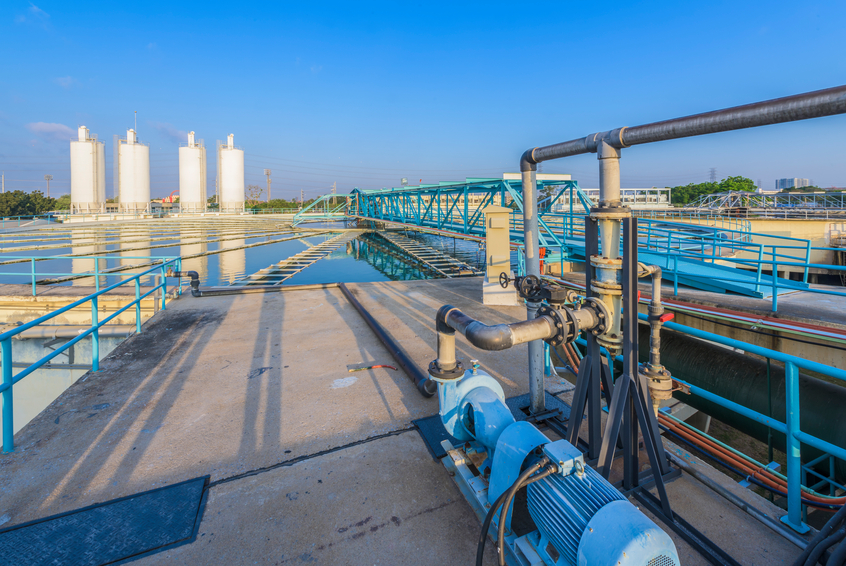
This online engineering PDH course describes basic process heating applications and equipment, and outlines opportunities for energy and performance improvements. It also discusses the merits of using a systems approach in identifying and implementing these improvement opportunities for Fuel-Based and Electric-Based heating systems. Furthermore, it provides recommendations to financially justify process heating improvement projects (System Economics).
Process heating is essential in the manufacture of most consumer and industrial products, including those made out of metal, plastic, rubber, carbon fiber, concrete, glass, and ceramics. Process heating systems are broken into three basic categories: Fuel-Based Process Heating, Electric-Based Process Heating, and Steam-Based Process Heating all of which are discussed in details.
This 5 PDH online course is applicable to mechanical, industrial and process engineers, designers, manufacturers and all personnel involved in the planning, design and installation of process heating systems.
This PE continuing education course is intended to provide you with the following specific knowledge and skills:
- Understanding the basics behind process heating operations
- Familiarizing with the common types of process heating systems and equipment
- Recognizing efficiency opportunities for fuel-based and electric-based heating systems
- Learning how to financially justify process heating improvement projects
Upon successful completion of the quiz, print your Certificate of Completion instantly. (Note: if you are paying by check or money order, you will be able to print it after we receive your payment.) For your convenience, we will also email it to you. Please note that you can log in to your account at any time to access and print your Certificate of Completion.

This online engineering PDH course presents guidelines on how to reduce mechanical system water use in residential buildings. Mechanical systems are frequently utilized to provide heating and cooling for residential properties. They typically fall into two categories: centralized and decentralized systems.
Centralized mechanical systems provide heating and cooling from a central location, such as a mechanical room or utility penthouse. These systems are more common in mid- and high-rise multifamily properties and can include cooling towers, boilers, and steam systems, each of which uses water as the heat transfer medium. As a result, the use of water for building heating and cooling can be significant and using sound management practices is a good opportunity for water savings.
Decentralized mechanical systems treat each unit of a multifamily property as its own space, as if each unit were a stand-alone single-family residence. These systems do not typically use process water, so they are not the focus of this water efficiency management guide.
This 2 PDH online course is intended for mechanical, environmental and civil engineers, as well as other technical personnel who are interested in learning more about reducing water use in mechanical systems.
This PE continuing education course is intended to provide you with the following specific knowledge and skills:
- Understanding the basics principles behind single-pass cooling, cooling towers and boiler/steam systems
- Understanding mechanical system water use
- Familiarizing with the maintenance and best management practices
- Knowing the mechanical systems retrofit and replacement options
- Familiarizing with the water savings calculations and assumptions
Upon successful completion of the quiz, print your Certificate of Completion instantly. (Note: if you are paying by check or money order, you will be able to print it after we receive your payment.) For your convenience, we will also email it to you. Please note that you can log in to your account at any time to access and print your Certificate of Completion.
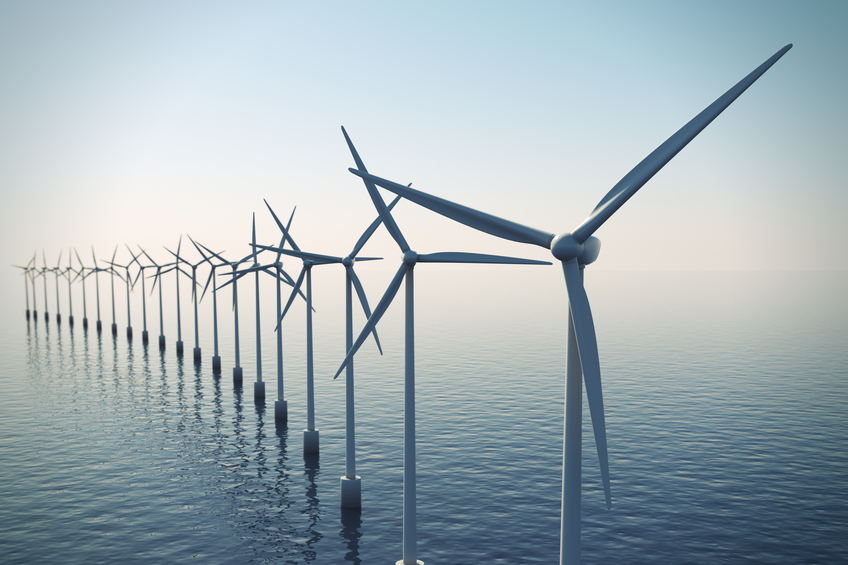
This online engineering PDH course provides basic information about small wind electric systems to help you decide if wind energy will work for you.
Wind is created by the unequal heating of the Earth's surface by the sun. Wind turbines convert the kinetic energy in wind into mechanical power that runs a generator to produce clean electricity.
Can I use wind energy to power my home? More people across the country are asking this question as they look for a hedge against increasing electricity rates and a way to harvest their local wind resources. Although wind turbines large enough to provide a significant portion of the electricity needed by the average U.S. home generally require 1 acre of property or more, approximately 19.3% of the U.S. population lives in rural areas and may own land parcels large enough to accommodate a wind energy system.
This 3 PDH online course is applicable to electrical and mechanical engineers and energy professionals who are interested in learning more about small wind electric systems.
This PE continuing education course is intended to provide you with the following specific knowledge and skills:
- Familiarizing with wind energy, terminology, and basic principles of wind turbines
- Understanding the different ways to make a home more energy efficient
- Understanding how and when small wind energy systems provide a practical and economical source of electricity
- Learning about the size of wind turbines required for specific applications
- Learning about the basic parts of a small wind electric system
- Knowing where to find certified small wind turbines, as well as installation and maintenance support
- Calculating how much energy a wind electric system will generate
- Gaining a general overview of hybrid wind energy systems
Upon successful completion of the quiz, print your Certificate of Completion instantly. (Note: if you are paying by check or money order, you will be able to print it after we receive your payment.) For your convenience, we will also email it to you. Please note that you can log in to your account at any time to access and print your Certificate of Completion.

This online engineering PDH course provides basic information on detecting and regulating equipment leaks and providing repair solutions.
EPA has determined that leaking equipment, such as valves, pumps, and connectors, are the largest source of emissions of volatile organic compounds (VOCs) and volatile hazardous air pollutants (VHAPs) from petroleum refineries and chemical manufacturing facilities. The Agency has estimated that approximately 70,367 tons per year of VOCs and 9,357 tons per year of HAPs have been emitted from equipment leaks. Emissions from equipment leaks exceed emissions from storage vessels, wastewater, transfer operations, or process vent.
This course identifies some of the problems identified with LDAR (Leak Detection And Repair) programs focusing on Method 21 requirements and will describe the practices that can be used to increase the effectiveness of an LDAR program. Some of the elements of a model LDAR program are required by current Federal regulations and other model LDAR program elements help ensure continuous compliance although they may not be mandated from a regulatory standpoint. Prior to developing a written LDAR program plan, all applicable regulations should be reviewed to determine and ensure compliance with the most stringent requirements.
This 2 PDH online course is applicable to environmental engineers, as well as other technical professionals who are interested in learning about leak detection and repair.
This PE continuing education course is intended to provide you with the following specific knowledge and skills:
- Familiarizing with the importance of regulating equipment leaks
- Familiarizing with the major elements of an LDAR program and its importance
- Understanding typical mistakes made when monitoring to detect leaks
- Learning about problems that occur from improper management of an LDAR program
- Exploring a set of best practices that can be used to implement effective an LDAR program
Upon successful completion of the quiz, print your Certificate of Completion instantly. (Note: if you are paying by check or money order, you will be able to print it after we receive your payment.) For your convenience, we will also email it to you. Please note that you can log in to your account at any time to access and print your Certificate of Completion.

This online engineering PDH course presents the technical, economic, and feasibility assessment for converting to all-electric heating solutions.
Electrification of building loads presents a significant opportunity to reduce site-level greenhouse gas (GHG) emissions, especially when combined with renewable and zero-carbon electricity resources. Electrification involves the conversion of a building system that would traditionally use fossil fuels (such as, natural gas, fuel oil, or propane) to the use of electrical power, which could be a key strategy in decarbonization. The course focuses on electrification and decarbonization of space heating and water heating loads using electric heat pump systems.
This 1 PDH online course is applicable to mechanical, energy, and facility engineers as well as other technical professionals interested in learning about electrification and decarbonization of space and water heating loads using electric heat pump systems.
This PE continuing education course is intended to provide you with the following specific knowledge and skills:
- Familiarizing with electrification options for HVAC and water heating
- Understanding the evaluation checklist for electrification assessment
- Learning some case studies that focus on heating electrification and decarbonization of commercial buildings
- Knowing the industry transition to low-GWP refrigerants
Upon successful completion of the quiz, print your Certificate of Completion instantly. (Note: if you are paying by check or money order, you will be able to print it after we receive your payment.) For your convenience, we will also email it to you. Please note that you can log in to your account at any time to access and print your Certificate of Completion.

In this online engineering PDH course, ten case studies of actual enforcement actions taken by a state licensing board are presented. The cases have been selected to be representative of situations likely to exist in many states. Board procedures and the types of enforcement actions available are shown by a variety of cases ranging from a geotechnical engineer who produced (within one hour and without visiting the site) a soils report, to an engineer who was unable to document his PDH's during a board audit. The importance of being very careful about when to put "P.E." after one's name on a document also will become apparent.
Codes of ethics for engineers typically describe standards for professional behavior. The enforcement of those ethical standards that are inscribed into law lies with the licensing boards of state governments.
This 1 PDH online course is intended primarily for all engineers seeking to deepen their understanding of what constitutes ethical and professional engineering behavior and how such behavior is enforced by the licensing board.
This PE continuing education course is intended to provide you with the following specific knowledge and skills:
-
Familiarizing with the format of enforcement decrees issued by a state licensing board
-
Knowing the ten different types of licensing violations
-
Understanding the investigative process of the board, as it attempts to determine the validity of complaints brought before it
-
Learning about the types of enforcement actions available to the board
In this professional engineering CEU course, you need to review the course document titled, "Ethics, Professionalism and Disciplinary Actions: Case Studies".
Upon successful completion of the quiz, print your Certificate of Completion instantly. (Note: if you are paying by check or money order, you will be able to print it after we receive your payment.) For your convenience, we will also email it to you. Please note that you can log in to your account at any time to access and print your Certificate of Completion.