

Wisconsin Chemical and Ethics 17 PDH Discount Package 3
UV Disinfection Systems for Drinking Water - Overview (C04-006)
General Principles of Engineering Ethics (LE2-016)

This online engineering PDH course provides an introspective look into reducing CO2 emissions through comprehensive multi-sector and electric models.
The Inflation Reduction Act of 2022 (IRA) represents a significant legislative commitment to transform energy production and consumption, reduce the risks of climate change, improve environmental quality, and simultaneously spur investments that create economic opportunities. This course presents results from state-of-the-art multi-sector and electric sector models to assess how the IRA’s provisions reduce CO2 emissions.
This course is responsive to section 60107(5) of the Low Emissions Electricity Program within the IRA, which requires EPA to assess “... the reductions in greenhouse gas emissions that result from changes in domestic electricity generation and use that are anticipated to occur on an annual basis through fiscal year 2031.” This course primarily focuses on carbon dioxide (CO2) emissions because the vast majority of direct electric sector GHG emissions are from fossil fuel combustion and the increased use of clean electricity primarily offsets fossil fuel use in end-use sectors.
This 11 PDH online course is applicable to environmental and civil engineers, as well as others who are interested in gaining insight on CO2 emissions, and the solutions to reduce the negative effects of emissions.
This PE continuing education course is intended to provide you with the following specific knowledge and skills:
- Familiarizing with the emission reduction in multi-sector and electric sector models
- Gaining a general overview on the Inflation Reduction Act of 2022
- Familiarizing with the economy wide CO2 emissions analysis and results
- Learning about the key IRA provisions for the electric sector, the transportation sector, the building sector, and the industry
- Understanding sector analysis and results for electric sector, transportation sector, building sector and industry
- Learning about the different ways each sector can potentially contribute to air pollution and CO2 emissions
Upon successful completion of the quiz, print your Certificate of Completion instantly. (Note: if you are paying by check or money order, you will be able to print it after we receive your payment.) For your convenience, we will also email it to you. Please note that you can log in to your account at any time to access and print your Certificate of Completion.
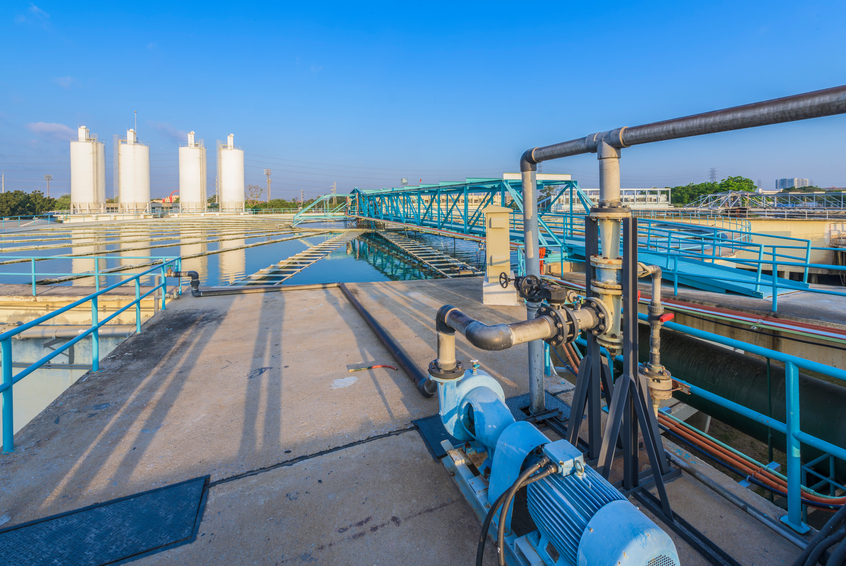
This online engineering PDH course provides an overview and background of technical information on the application of ultraviolet light for the disinfection of drinking water by public water systems. This overview includes a description of basic chemical and physical principles, the components of UV equipment, and performance monitoring for UV facilities. The overview material intended to present generally accepted facts and research results related to UV disinfection. The material covers many aspects for consideration when implementing a UV disinfection system.
This 4 PDH online course is intended for wastewater treatment engineers and environmental professionals seeking to gain an understanding of UV disinfection technologies. The course will also be beneficial for a student with basic knowledge of water treatment design and is interested in learning about how UV disinfection is now being applied as a disinfection alternative for municipal water supply systems. It is also an excellent overview for those professionals working in the field of water treatment.
This PE continuing education course is intended to provide you with the following specific knowledge and skills:
- Learning the background on drinking water treatment
- Understanding UV disinfection properties and mechanisms
- Understanding the components and performance of various types of UV systems
- Learning the accepted facts and research results relating to UV disinfection
- Knowing the support information for UV disinfection consideration
In this professional engineering CEU course, you need to review Chapter 2, "Overview of UV Disinfection" of the EPA Guidance Manual EPA 815-R-06-007, "UV Disinfection Guidance Manual for the Final Long Term 2 Enhanced Surface Water Treatment Rule, November 2006".
Upon successful completion of the quiz, print your Certificate of Completion instantly. (Note: if you are paying by check or money order, you will be able to print it after we receive your payment.) For your convenience, we will also email it to you. Please note that you can log in to your account at any time to access and print your Certificate of Completion.

This online engineering PDH course presents the principles of engineering ethics that every engineer is expected to live by when practicing their profession.
Engineering ethics is (1) the study of moral issues and decisions confronting individuals and organizations involved in engineering and (2) the study of related questions about moral conduct, character, ideals and relationships of peoples and organizations involved in technological development (Martin and Schinzinger, Ethics in Engineering).
This course describes the fundamental legal concepts with which very engineer should be familiar. It also presents unique disciplinary case studies selected from across the nation, as well as hypothetical ethical challenges that demonstrate how difficult it can be to apply the code of ethics for engineers.
This 2 PDH online course is applicable to all professional engineers who are either required to fulfill 2 PDH in engineering ethics or are interested in broadening their understanding of what it means to practice and uphold the honor and integrity of their engineering profession while holding the utmost safety, health, and welfare of the public.
This PE continuing education course is intended to provide you with the following specific knowledge and skills:
- Understanding the common definition of ethics regarding engineering
- Learning about the important principles of the engineer’s professional responsibility
- Learning the do’s and don’ts through several ethical and disciplinary cases
- Understanding what it means to practise and uphold the honor and integrity of the engineering profession
Upon successful completion of the quiz, print your Certificate of Completion instantly. (Note: if you are paying by check or money order, you will be able to print it after we receive your payment.) For your convenience, we will also email it to you. Please note that you can log in to your account at any time to access and print your Certificate of Completion.