

South Carolina Chemical 30 PDH Discount Package 1
Hazards of Chemicals and Gases (H05-002)
Ozone Depleting Substances (ODS) Destruction in the US & Abroad (C04-059)
CO2 Emission Reductions from Changes in Electricity Generation and Use (H11-001)
Algal Indicators in Streams (H03-007)
Chemical Hazard Classification Process (H02-009)

This online engineering PDH course addresses the basics of chemistry. It introduces concepts on the atomic structure of matter. It also discusses the periodic table and the significance of the information in a periodic table. Furthermore, it explains chemical bonding, the laws of chemistry, and chemical equations.
This 5 PDH online course is applicable to chemical and environmental engineers, design and construction personnel, technical staff and facility operators who are interested in gaining a better understanding of the basics of chemistry.
This PE continuing education course is intended to provide you with the following specific knowledge and skills:
- Characteristics of atoms
- The periodic table
- Chemical bonding
- Chemical equations
- Acids, bases, salts and pH
In this professional engineering CEU course, you need to review Module 1, "Fundamentals of Chemistry" of the Department of Energy Publication DOE-HDBK-1015/1-93, "Chemistry".
Upon successful completion of the quiz, print your Certificate of Completion instantly. (Note: if you are paying by check or money order, you will be able to print it after we receive your payment.) For your convenience, we will also email it to you. Please note that you can log in to your account at any time to access and print your Certificate of Completion.
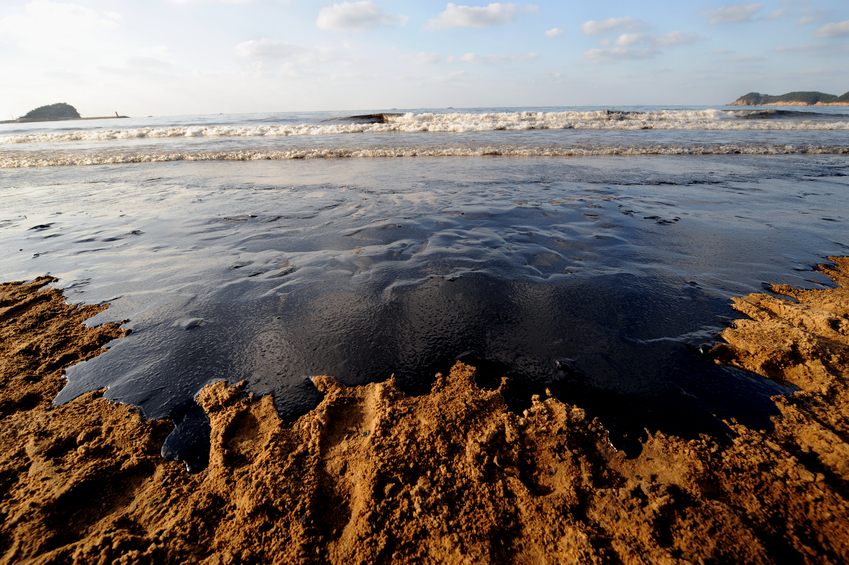
This online engineering PDH course explains why certain chemicals are considered hazardous to personnel working in facilities containing such chemicals. It also provides an overview of handling chemicals as well as provides resources of information about these chemicals.
The various chemicals found in our industry as well as the home are useful when properly applied. If the user is uninformed about correct applications, storage, and potential hazards, these chemicals can become threats to our safety.
This 5 PDH online course is applicable to chemical and environmental engineers, design and construction personnel, technical staff and facility operators who are interested in gaining a better understanding of the hazards of chemicals and gases.
This PE continuing education course is intended to provide you with the following specific knowledge and skills:
- Corrosives
- Toxic compounds
- Compressed gases
- Flammable and combustible liquids
In this professional engineering CEU course, you need to review Module 5, "Hazards of Chemicals and Gases" of the Department of Energy Publication DOE-HDBK-1015/1-93, "Chemistry".
Upon successful completion of the quiz, print your Certificate of Completion instantly. (Note: if you are paying by check or money order, you will be able to print it after we receive your payment.) For your convenience, we will also email it to you. Please note that you can log in to your account at any time to access and print your Certificate of Completion.
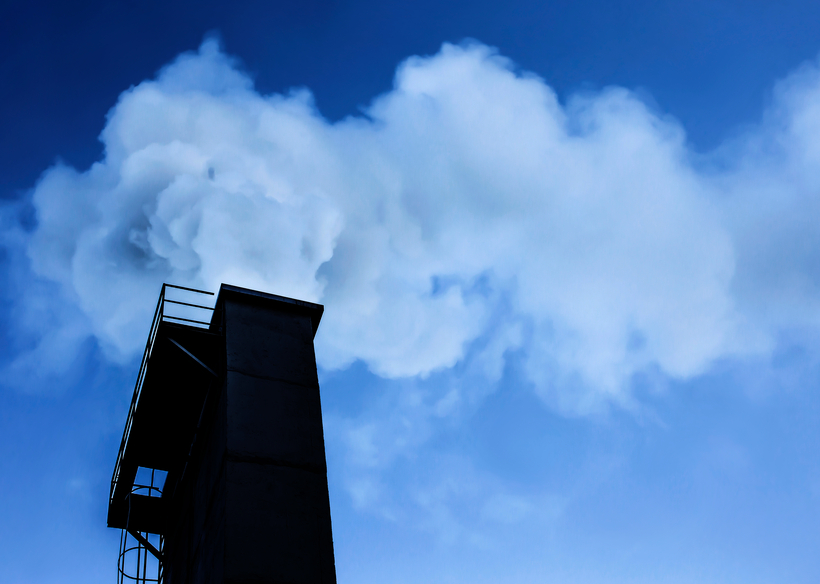
This online engineering PDH course discusses the sources of ozone depleting substances (ODS) in the United States and abroad and defines the best practices for the safe, environmentally sound collection, recovery, transport, and destruction of these substances. In addition, this course explains the challenges associated with the safe destruction of ODS and assesses the costs for the ODS waste management process.
The Montreal Protocol on Substances that Deplete the Ozone Layer (Montreal Protocol), finalized in 1987, is a global agreement to protect the stratospheric ozone layer by phasing out the production and consumption of ODS.
While the global ODS phaseout is underway, a large amount of ODS is in equipment and products such as refrigerators and air conditioners (as refrigerant and foam blowing agent), foam contained in buildings, and fire protection systems and fire extinguishers, as well as in stockpiles held by countries and industrial and commercial users. Together these sources are referred to as ODS banks.
This 4 PDH online course is intended for environmental, sustainability, industrial, and mechanical engineers, as well as others interested in learning about the best practices for destruction of ODS.
This PE continuing education course is intended to provide you with the following specific knowledge and skills:
- Familiarizing with the sources of ODS
- Learning about the best management practices regarding the process of ODS destruction
- Familiarizing with ODS destruction technologies and facilities in the U.S. and worldwide
- Gaining perspective and metrics on the international efforts to destroy ODS
- Understanding the financial considerations of ODS recovery, transportation, and destruction costs
Upon successful completion of the quiz, print your Certificate of Completion instantly. (Note: if you are paying by check or money order, you will be able to print it after we receive your payment.) For your convenience, we will also email it to you. Please note that you can log in to your account at any time to access and print your Certificate of Completion.
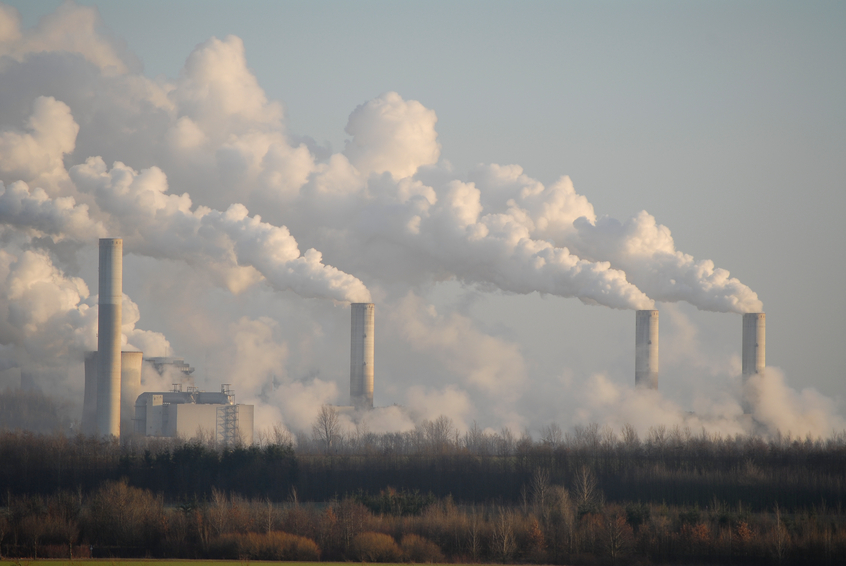
This online engineering PDH course provides an introspective look into reducing CO2 emissions through comprehensive multi-sector and electric models.
The Inflation Reduction Act of 2022 (IRA) represents a significant legislative commitment to transform energy production and consumption, reduce the risks of climate change, improve environmental quality, and simultaneously spur investments that create economic opportunities. This course presents results from state-of-the-art multi-sector and electric sector models to assess how the IRA’s provisions reduce CO2 emissions.
This course is responsive to section 60107(5) of the Low Emissions Electricity Program within the IRA, which requires EPA to assess “... the reductions in greenhouse gas emissions that result from changes in domestic electricity generation and use that are anticipated to occur on an annual basis through fiscal year 2031.” This course primarily focuses on carbon dioxide (CO2) emissions because the vast majority of direct electric sector GHG emissions are from fossil fuel combustion and the increased use of clean electricity primarily offsets fossil fuel use in end-use sectors.
This 11 PDH online course is applicable to environmental and civil engineers, as well as others who are interested in gaining insight on CO2 emissions, and the solutions to reduce the negative effects of emissions.
This PE continuing education course is intended to provide you with the following specific knowledge and skills:
- Familiarizing with the emission reduction in multi-sector and electric sector models
- Gaining a general overview on the Inflation Reduction Act of 2022
- Familiarizing with the economy wide CO2 emissions analysis and results
- Learning about the key IRA provisions for the electric sector, the transportation sector, the building sector, and the industry
- Understanding sector analysis and results for electric sector, transportation sector, building sector and industry
- Learning about the different ways each sector can potentially contribute to air pollution and CO2 emissions
Upon successful completion of the quiz, print your Certificate of Completion instantly. (Note: if you are paying by check or money order, you will be able to print it after we receive your payment.) For your convenience, we will also email it to you. Please note that you can log in to your account at any time to access and print your Certificate of Completion.
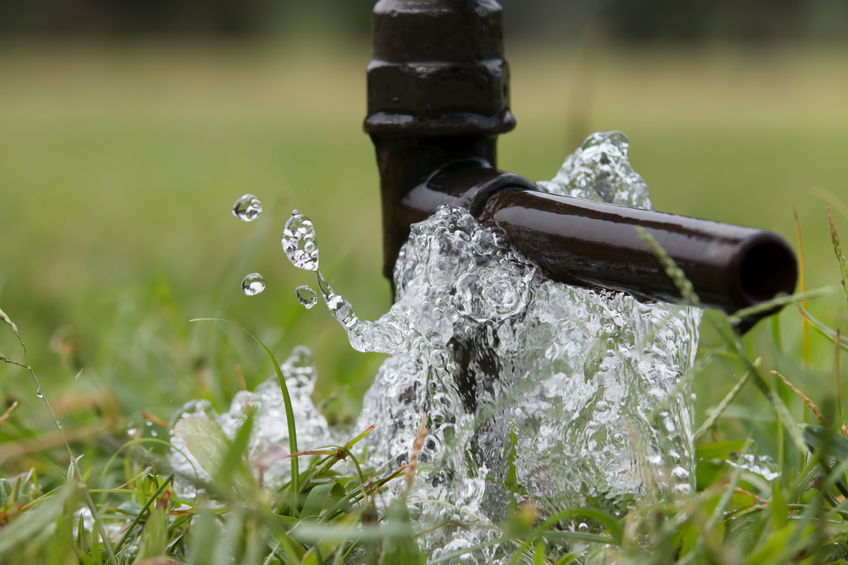
This online engineering PDH course summarizes the application of algae as indicators of nutrient pollution in water quality management. It describes the use of algal indicators to develop water quality diagnostics for nutrient pollution in the United States (U.S.) and then reviews scientific developments in the use and application of algal indicators across the world.
Algae are ubiquitous and essential components of all stream ecosystems. They are the primary energetic source for many stream food webs, fixing carbon from the atmosphere through photosynthesis, which is then transmitted through the web via consumer pathways.
Algae have a long history of use and possess many of the features valued in ecological indicators. They were part of the early saprobien indicator system development in Germany and were one of the first assemblages developed for use in biological assessment in the United States.
This 3 PDH online course is intended for chemical and environmental engineers and water quality professionals who are seeking to utilize algae to detect the presence of nutrient pollution and to estimate the risks of nutrient pollution in adversely affecting the condition of stream ecosystems.
This PE continuing education course is intended to provide you with the following specific knowledge and skills:
- Gaining general background information on algae
- Familiarizing with the current algal sampling programs in the United States
- Learning about the research on algal assessment and indicator using in streams
- Identifying the quantitative and qualitative algal application methods
Upon successful completion of the quiz, print your Certificate of Completion instantly. (Note: if you are paying by check or money order, you will be able to print it after we receive your payment.) For your convenience, we will also email it to you. Please note that you can log in to your account at any time to access and print your Certificate of Completion.
This online engineering PDH course addresses the identification of the chemicals to be classified; explains the process of data collection and describes the process and information needed for data analysis. Furthermore, this course presents information on the rationale used to develop the classification of the various hazards.
OSHA's Hazard Communication Standard (HCS) is designed to protect against chemical-source injuries and illnesses by ensuring that employers and workers are provided with sufficient information to anticipate, recognize, evaluate, and control chemical hazards and take appropriate protective measures. The purpose of the Hazard Communication Standard is to ensure that the hazards of all chemicals produced or imported are classified, and that the information on the hazardous chemicals is transmitted to employers and workers.
The 2 PDH online course is intended for chemical manufacturers and distributors, employers, engineers, physicians, construction workers, and all other personnel who are interested in learning more about chemical hazard classification process.
This PE continuing education course is intended to provide you with the following specific knowledge and skills:
- Learning how to identify the chemicals to be classified
- Understanding the data collection process
- Learning how to analyze the data or findings
- Knowing how to record the findings
Upon successful completion of the quiz, print your Certificate of Completion instantly. (Note: if you are paying by check or money order, you will be able to print it after we receive your payment.) For your convenience, we will also email it to you. Please note that you can log in to your account at any time to access and print your Certificate of Completion.