

North Dakota Mechanical and Ethics 30 PDH Discount Package 2
Principles of Hydraulic and Pneumatic Systems (M04-043)
Principles of an Internal Combustion Engine (M03-051)
Heat Exchangers (M02-001)
Fire Protection Systems (M04-051)
Fan and Pump Technology Overview and their Energy Saving Opportunities (M09-002)
Plumbing Valves and Accessories (M02-066)
Overview and Maintenance of Compressed Air Systems (M02-063)
Ethical Issue: Deciding if Something is a Gift or a Bribe (LE1-007)
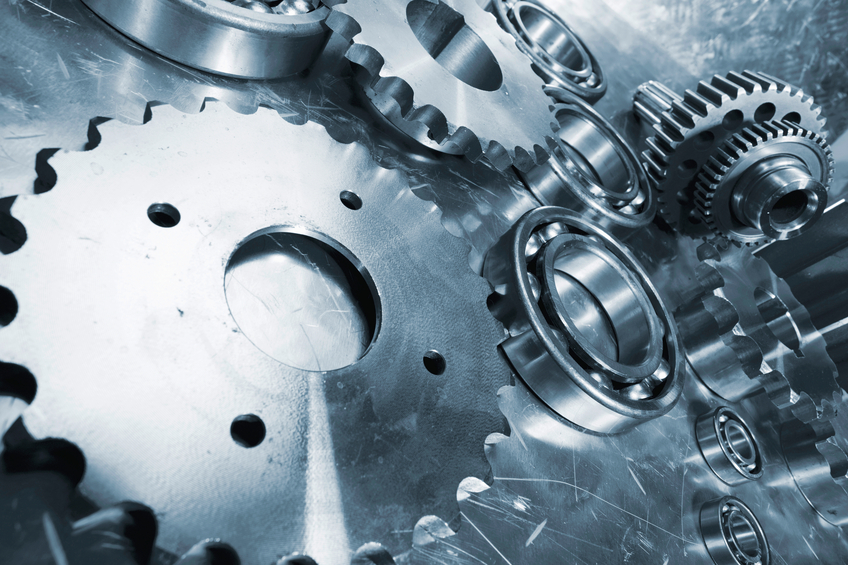
This online engineering PDH course discusses the six simple machines: the lever, the block, the wheel and axle, the inclined plane, the screw and the gear. When you familiarize with the principles of these simple machines, you can readily understand the operation of complex machines.
A machine is any device that helps you to do work. It may help by changing the amount of force or the speed of action. Machines may also be used to change the direction of a force or in other cases transform energy; for example, a generator transforms mechanical energy into electrical energy. Complex machines are basically combinations of two or more simple machines.
This 3 PDH online course is applicable to engineers, designers, manufacturers and anyone interested to gain an understanding of basic machine operation.
This PE continuing education course is intended to provide you with the following specific knowledge and skills:
- Learning about the principles of levers, their different classes and mechanical advantages
- Understanding the basics of the block and tackle, their different configurations and mechanical advantages
- Understanding the basics of wheel and axle and understand their mechanical advantages
- Learning about the mechanical advantages of inclined planes
- Familiarizing with the uses of the screw and jack
- Understanding the basics of gears, their different types and mechanical advantages
In this professional engineering CEU course, you need to review Chapters 1 through 6, of the Naval Education and Training Professional Development and Technology Center "Basic Machines" NAVEDTRA 14037 - training course.
Once you complete your course review, you need to take a multiple-choice quiz consisting of twenty (20) questions to earn 3 PDH credits. The quiz will be based on this NAVEDTRA publication.
Upon successful completion of the quiz, print your Certificate of Completion instantly. (Note: if you are paying by check or money order, you will be able to print it after we receive your payment.) For your convenience, we will also email it to you. Please note that you can log in to your account at any time to access and print your Certificate of Completion.
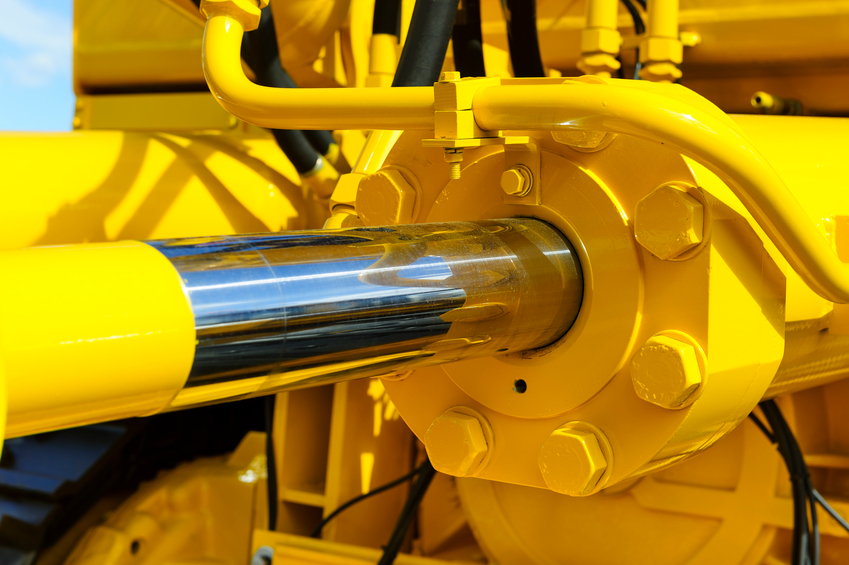
This online engineering course presents the basic principles of hydraulics and pneumatics along with their various components followed by discussing the maintenance procedures associated with these systems.
In automotive and construction equipment, the terms “hydraulic” and “pneumatic” describe a method of transmitting power from one place to another through the use of a liquid or a gas which obey certain physical laws and principles discussed in this course.
This 4 PDH online course is intended for mechanical and industrial engineers, as well as other technical professionals interested in gaining a better understanding of the principles of hydraulic and pneumatics systems.
This PE continuing education course is intended to provide you with the following specific knowledge and skills:
- Understanding the operating principles of hydraulic systems
- Identifying operation characteristics, component functions, and maintenance procedures of a hydraulic system
- Understanding the operating principles of pneumatic systems
- Identifying operational characteristics and service procedures applicable to heavy-duty compressors
Upon successful completion of the quiz, print your Certificate of Completion instantly. (Note: if you are paying by check or money order, you will be able to print it after we receive your payment.) For your convenience, we will also email it to you. Please note that you can log in to your account at any time to access and print your Certificate of Completion.

This online engineering course presents the operational principles and basic mechanisms of the internal combustion engine.
The power of an internal combustion engine comes from burning a mixture of fuel and air in a small, enclosed space. When this mixture burns, it expands significantly; building pressure that pushes the piston down, in turn rotating the crankshaft. Eventually, this motion is transferred through the transmission and out to the drive wheels to move the vehicle.
The automobile is a familiar object to all of us. The engine that moves it is one of the most fascinating and talked about of all the complex machines we use today. This machine is what we call the internal combustion engine.
This 3 PDH online course is intended for mechanical and industrial engineers, designers, manufacturers and anyone interested in gaining a better understanding of the basics of an internal combustion engine.
This PE continuing education course is intended to provide you with the following specific knowledge and skills:
- Understanding the principles of operation, the different classifications, the measurements and performance standards of an internal combustion engine
- Identifying the series of events /cycles in a gasoline engine
- Identifying the series of events /cycles in a diesel engine
- Understanding the differences between a four-stroke cycle engine and a two-stroke cycle engine
- Recognizing the differences in the types, cylinder arrangements, and valve arrangements of internal combustion engines
- Identifying the terms, engine measurements, and performance standards of an internal combustion engine
Upon successful completion of the quiz, print your Certificate of Completion instantly. (Note: if you are paying by check or money order, you will be able to print it after we receive your payment.) For your convenience, we will also email it to you. Please note that you can log in to your account at any time to access and print your Certificate of Completion.
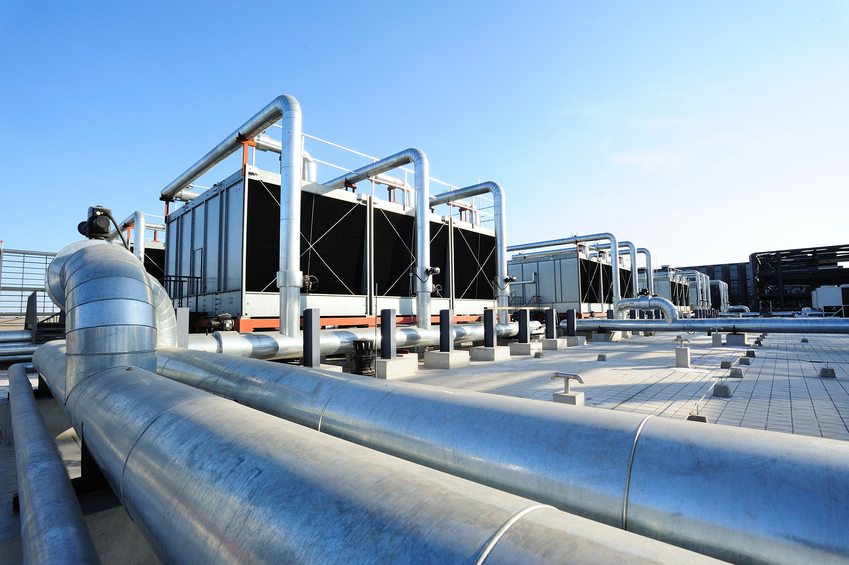
This online engineering PDH course describes the construction of plate heat exchangers as well as tube and shell heat exchangers. It also describes the flow patterns and temperature profiles in parallel flow, counter flow, and cross flow heat exchangers.
The transfer of thermal energy between fluids is one of the most important and frequently used processes in engineering. The transfer of heat is usually accomplished by means of a device known as a heat exchanger. Common applications of heat exchangers include boilers, fan coolers, cooling water heat exchangers, and condensers.
This 2 PDH online course is applicable to mechanical and chemical engineers, nuclear facility operators, maintenance personnel, and technical staff to fully understand the impact that their actions may have on the safe and reliable operation of facility components and systems.
This PE continuing education course is intended to provide you with the following specific knowledge and skills:
- Understanding the purpose of heat exchangers
- Learning the different types of heat exchangers
- Understanding heat exchanger applications
In this professional engineering CEU course, you need to review DOE-HDBK-1018/1-93, Volume 1, Module 2 of "Mechanical Science" published by the Department of Energy.
Upon successful completion of the quiz, print your Certificate of Completion instantly. (Note: if you are paying by check or money order, you will be able to print it after we receive your payment.) For your convenience, we will also email it to you. Please note that you can log in to your account at any time to access and print your Certificate of Completion.
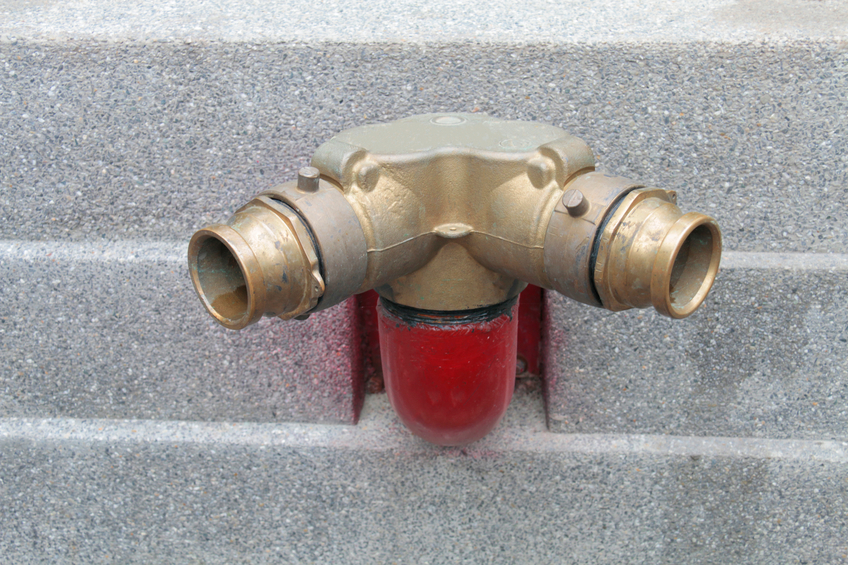
This online engineering PDH course provides information on the different types of fire protection systems and presents guidelines for periodic inspection and maintenance procedures of these systems.
Fire protection systems are designed to extinguish fires as quick as possible to prevent the loss of lives and property. When fire suppression systems are installed, the system would control, put out any fire that may result and signal the fire department. However, in the absence of similar systems, any building could be severely damaged or completely destroyed before the fire department could respond.
There are several types of fire protection systems. Each system is designed to serve in specific locations and has its unique components and functioning characteristics. And in order to ensure that these systems are safe and reliable, periodic inspection and maintenance of their components is required.
This 4 PDH online course is applicable to engineers who are interested in learning more about fire protection systems and the inspection and maintenance procedures for a safe and a reliable performance.
This PE continuing education course is intended to provide you with the following specific knowledge and skills:
- Familiarizing with the general features of fire protection systems
- Learning about the different types of automatic sprinkler systems and their characteristics
- Understanding the placement and distribution of components along the system networks
- Understanding the inspection and maintenance requirements of various components
- Learning about the practicality and characteristics of gaseous extinguishing systems
- Gaining a general overview of dry chemical extinguishing systems
Upon successful completion of the quiz, print your Certificate of Completion instantly. (Note: if you are paying by check or money order, you will be able to print it after we receive your payment.) For your convenience, we will also email it to you. Please note that you can log in to your account at any time to access and print your Certificate of Completion.
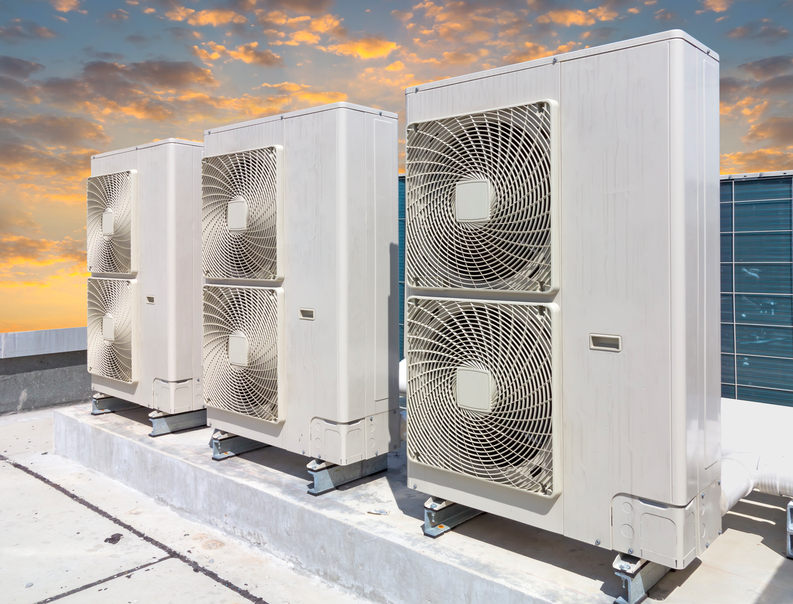
This online engineering PDH course provides a technical and market analysis of pumps and fans as they pertain to commercial and residential buildings, as well as key conclusions regarding the R&D opportunities that can help achieve energy savings goals.
The Building Technologies Office (BTO) within the Department of Energy’s (DOE) Office of Energy Efficiency and Renewable Energy (EERE) works with researchers and the industry to develop and deploy technologies that can substantially reduce energy consumption in residential and commercial buildings.
The course highlights an annual technical savings potential of approximately 2.6 and 0.63 quads of primary energy for fans and pumps, respectively, assuming 100% adoption of best-in-class energy efficient technologies in the U.S. for the applicable installed base.
Four R&D opportunity areas for fans and five R&D opportunity areas for pumps are identified that will help to achieve the required savings potential, and therefore, BTO’s energy savings goals. These key opportunities for R&D are primarily focused on systems-level controls and technological improvements such as motors.
This 9 PDH online course is applicable to HVAC, mechanical and electrical engineers, and professionals who are interested in learning more about fan and pump technologies and their energy saving opportunities.
This PE continuing education course is intended to provide you with the following specific knowledge and skills:
- Familiarizing with the state and type of pump and fan technologies used in residential and commercial appliances, equipment, and systems
- Learning about fan energy saving opportunities for residential and commercial buildings
- Learning about Pump energy saving opportunities for residential and commercial buildings
- Identifying potential areas where R&D efforts, through BTO or others, could boost efficiency of fans, pumps, and their systems
Upon successful completion of the quiz, print your Certificate of Completion instantly. (Note: if you are paying by check or money order, you will be able to print it after we receive your payment.) For your convenience, we will also email it to you. Please note that you can log in to your account at any time to access and print your Certificate of Completion.
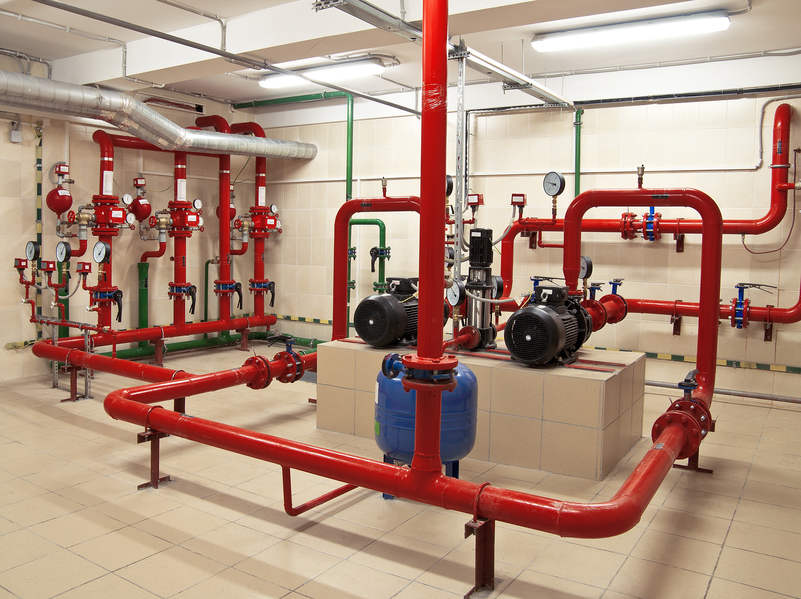
This online engineering PDH course offers an overview of the various valves and accessories utilized in plumbing and piping systems.
The course covers the different types, uses, and applications of key valves found in plumbing systems, including gate valves, butterfly valves, ball valves, and others. It also addresses water meters, the types of insulation used in piping systems, and additional accessories. Moreover, the course includes a brief discussion on maintenance and repair recommendations for valves.
This 2 PDH online course is suitable for mechanical and plumbing engineers, as well as other technical professionals looking to expand their knowledge of plumbing valves and their related accessories.
This PE continuing education course is intended to provide you with the following specific knowledge and skills:
- Learning about the various types of plumbing valves, including their specific uses and applications
- Familiarizing with the maintenance and repair requirements of plumbing valves
- Learning about the different water meter types, particularly the nutating disk volume meter, and their applications
- Understading the different types of insulation used in piping systems
Upon successful completion of the quiz, print your Certificate of Completion instantly. (Note: if you are paying by check or money order, you will be able to print it after we receive your payment.) For your convenience, we will also email it to you. Please note that you can log in to your account at any time to access and print your Certificate of Completion.
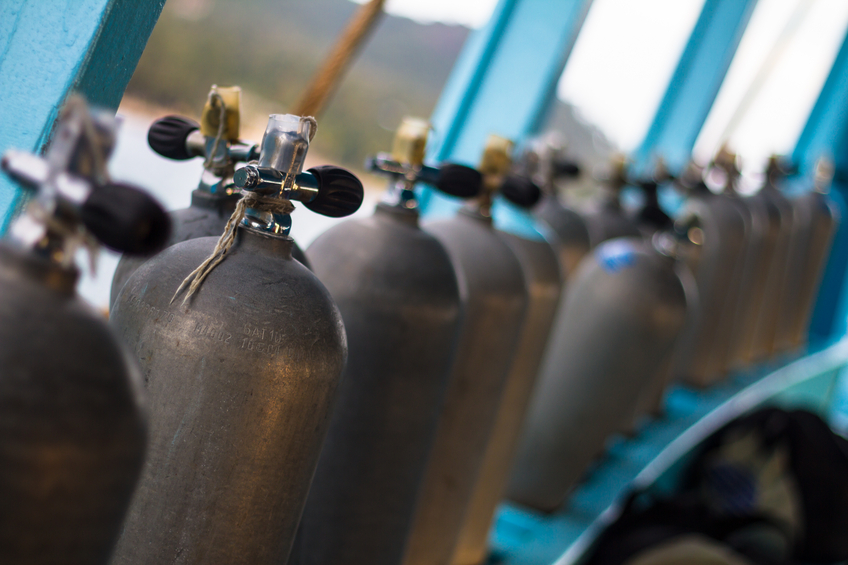
This online engineering PDH course provides an overview of air compressor systems, their design, and the components that make up a system. It also provides the means of identifying and directing the proper construction techniques for installation of various components, as well as an understanding of the maintenance of previously installed systems.
Compressed air is a form of power that has many important uses in industrial activities. An air compressor plant is required to supply air of adequate volume, quality, and pressure at the various points of application. These plants or systems are classified as low-pressure, medium-pressure, or high-pressure systems.
This 2 PDH online course is applicable to mechanical engineers and other professionals who are interested in learning more about compressed air systems.
This PE continuing education course is intended to provide you with the following specific knowledge and skills:
- Familiarizing with the classifications of compressed air systems
- Understanding the air quality requirements
- Learning about the components of air compressors and the auxiliary equipment
- Knowing the different types of distribution systems
- Gaining an overview of the maintenance requirements associated with air compressor systems
Upon successful completion of the quiz, print your Certificate of Completion instantly. (Note: if you are paying by check or money order, you will be able to print it after we receive your payment.) For your convenience, we will also email it to you. Please note that you can log in to your account at any time to access and print your Certificate of Completion.

This online engineering PDH course will establish, through the presentation of many examples, the principles of distinguishing between a gift and a bribe.
The federal government has formulated detailed rules covering gifts given to executive-branch employees in many situations. The rules are published in the Code of Federal Regulations (CFR) and are illustrated through many examples. Even though the examples are intended for government employees (many of whom are engineers), they also apply to private-sector engineers in similar situations. This course presents selected CFR examples that furnish guidance on the ethics of gift giving in situations that are especially relevant to engineers.
This 1 PDH online course is intended for engineers seeking guidance on distinguishing between ethical gift-giving and bribery.
This PE continuing education course is intended to provide you with the following specific knowledge and skills:
- Familiarizing with definitions of a bribe and a gift
- Knowing the bribe status of a gift based on a personal relationship
- Understanding the conditions under which gifts to spouses are acceptable
- Knowing the need to avoid even the appearance of a gift being a bribe
- Recognizing when gifts involving free attendance at meetings and conferences are acceptable
- Understanding the importance of the cumulative effect of receiving even small gifts on a periodic basis
- Learning the importance of gifts received when on assignment rather than outside of work
Upon successful completion of the quiz, print your Certificate of Completion instantly. (Note: if you are paying by check or money order, you will be able to print it after we receive your payment.) For your convenience, we will also email it to you. Please note that you can log in to your account at any time to access and print your Certificate of Completion.