

North Dakota Energy Efficiency and Ethics 30 PDH Discount Package 1
Continuous Energy Improvement in Motor Driven Systems (E08-007)
Home Energy Savings: A Practical Approach (M09-001)
Green Roofs for Stormwater Runoff Control (C05-026)
Water Efficiency Management Guide for Bathroom Suites (M01-019)
Wireless Occupancy Sensors for Lighting Controls (E01-012)
A Guide to Leak Detection and Repair (M02-062)
Ethics, Professionalism and Disciplinary Actions: Case Studies (LE1-003)

This online engineering PDH course provides basic information about small wind electric systems to help you decide if wind energy will work for you.
Wind is created by the unequal heating of the Earth's surface by the sun. Wind turbines convert the kinetic energy in wind into mechanical power that runs a generator to produce clean electricity.
Can I use wind energy to power my home? More people across the country are asking this question as they look for a hedge against increasing electricity rates and a way to harvest their local wind resources. Although wind turbines large enough to provide a significant portion of the electricity needed by the average U.S. home generally require 1 acre of property or more, approximately 19.3% of the U.S. population lives in rural areas and may own land parcels large enough to accommodate a wind energy system.
This 3 PDH online course is applicable to electrical and mechanical engineers and energy professionals who are interested in learning more about small wind electric systems.
This PE continuing education course is intended to provide you with the following specific knowledge and skills:
- Familiarizing with wind energy, terminology, and basic principles of wind turbines
- Understanding the different ways to make a home more energy efficient
- Understanding how and when small wind energy systems provide a practical and economical source of electricity
- Learning about the size of wind turbines required for specific applications
- Learning about the basic parts of a small wind electric system
- Knowing where to find certified small wind turbines, as well as installation and maintenance support
- Calculating how much energy a wind electric system will generate
- Gaining a general overview of hybrid wind energy systems
Upon successful completion of the quiz, print your Certificate of Completion instantly. (Note: if you are paying by check or money order, you will be able to print it after we receive your payment.) For your convenience, we will also email it to you. Please note that you can log in to your account at any time to access and print your Certificate of Completion.
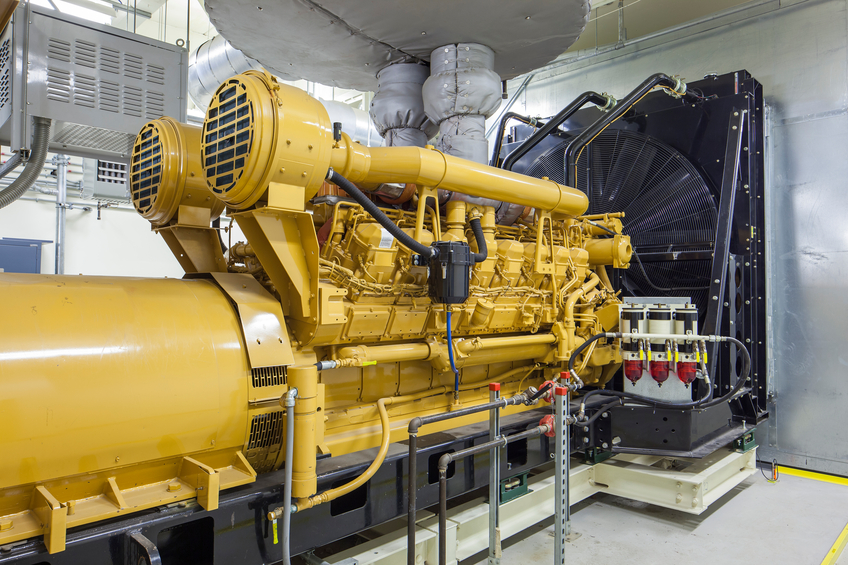
This online engineering PDH course presents the fundamental information and necessary guidance required to assist the Manufacturing and Process industries in optimizing their electric motor driven systems which leads to substantial energy / cost savings.
Electric motors are among the least well-managed industrial equipment, even though motor-driven equipment accounts for approximately 70% of the electrical energy consumed by process industries and approximately 90% for electrical intensive industries. Motors that are not properly managed can result in billions of dollars in wasted energy and operating costs to an industry.
A detailed analysis of the U.S. motor systems inventory indicates that this energy use could be reduced by 11% to 18% if plant managers implement all cost-effective applications of mature and proven energy efficiency technologies and practices. It is worth noting that the suggested improvements are not necessarily limited to the U.S., but can be implemented in any industry around the world that utilizes motor driven systems.
This 8 PDH online course is applicable to electrical, mechanical, and industrial engineers as well as other technical personnel interested in learning more about improving the operation of motor driven systems.
This PE continuing education course is intended to provide you with the following specific knowledge and skills:
- Familiarizing with motor energy management and best practices
- Understanding the different types of utility charges
- Learning about the steps involved in conducting a motor survey
- Familiarizing with motor specification and selection considerations
- Estimating motor load and efficiency
- Analyzing motor efficiency opportunities
- Conducting plans for improving motor efficiency
- Familiarizing with the opportunities to improve system efficiencies
- Understanding the importance and practicality of power factor correction
Upon successful completion of the quiz, print your Certificate of Completion instantly. (Note: if you are paying by check or money order, you will be able to print it after we receive your payment.) For your convenience, we will also email it to you. Please note that you can log in to your account at any time to access and print your Certificate of Completion.

This online engineering PDH course provides information on a wide variety of energy-related topics, ranging from simple weatherization, insulation, heating and cooling system improvements in homes, to installing and maintaining efficient water heaters, home appliances and solar panels.
Every year, a typical family in the United States spends around half of its home energy budget on heating and cooling. Unfortunately, many of those dollars are often wasted, because conditioned air escapes through leaky ceilings, walls and foundations, or flows through inadequately insulated attics, pipes, exterior walls and basements. In addition, many appliances, heating systems and air conditioners aren’t properly maintained, are old and inefficient, compared to models being sold today.
By properly maintaining your existing heating and cooling equipment (or replacing aging units with high-efficiency models), addressing weatherization and insulation issues at your house and getting into the habit of using energy efficiently all the time, you can save 10 to 30 percent (or more) on your utility bills every year. You will also help reduce pollution at utility plants that use fossil fuels to generate electricity.
This 9 PDH online course is applicable to electrical and mechanical engineers as well as energy specialists who are interested in learning more about home energy-saving considerations and the collection of systems that work together to achieve peak energy savings and to increase a home’s overall comfort.
This PE continuing education course is intended to provide you with the following specific knowledge and skills:
- Familiarizing with the major sources of air leaks and energy use in a typical home
- Learning about different sealing and insulating materials, their main characteristics and applications
- Understanding the energy saving considerations for heating and cooling systems
- Learning about a set of energy-related units, ratios and terminologies
- Learning about water heating systems and the different approaches to lowering water-heating costs
- Familiarizing with energy-efficient tips and practices for major home appliances
- Familiarizing with the building blocks of solar PV systems
- Gaining a general overview of contracts, installation, maintenance and monitoring of solar energy systems
Upon successful completion of the quiz, print your Certificate of Completion instantly. (Note: if you are paying by check or money order, you will be able to print it after we receive your payment.) For your convenience, we will also email it to you. Please note that you can log in to your account at any time to access and print your Certificate of Completion.

This online engineering PDH course will investigate green roofs as an approach to control stormwater discharge and pollutant content. This course provides the data and background municipalities and private entities need to move forward with decisions to implement green roofs as a stormwater control technology, or best management practice (BMP).
Urban development has led to large areas of impervious surfaces such as parking lots and building roofs. Runoff from these areas is causing problems for many urban and suburban communities. Not only is total volume of wet weather flow (WWF) increased, but peak flow rates are also increased. Implementation of traditional stormwater BMPs in urban areas may not be practical in all circumstances due to limited available surface area and other concerns. Green roofs have been suggested as a means to reduce the stormwater impacts of development because they have been shown to both detain and retain stormwater. The purpose of this study is to quantify runoff reductions resulting from the use of extensive green roof systems.
This 5 PDH online course is applicable to municipality owners and/or operators, construction contractors/workers, site developers, engineers, managers, and all other personnel involved in the stormwater runoff control field.
This PE continuing education course is intended to provide you with the following specific knowledge and skills:
- Learning about the green roof effects on runoff quantity
- Learning about the green roof effects on runoff quality
- Learning about the different types of plants commonly used in green roofs
- Understanding the green roof plant and media management considerations
- Familiarizing with the cost and implementation associated with green roofs for stormwater runoff control
Upon successful completion of the quiz, print your Certificate of Completion instantly. (Note: if you are paying by check or money order, you will be able to print it after we receive your payment.) For your convenience, we will also email it to you. Please note that you can log in to your account at any time to access and print your Certificate of Completion.
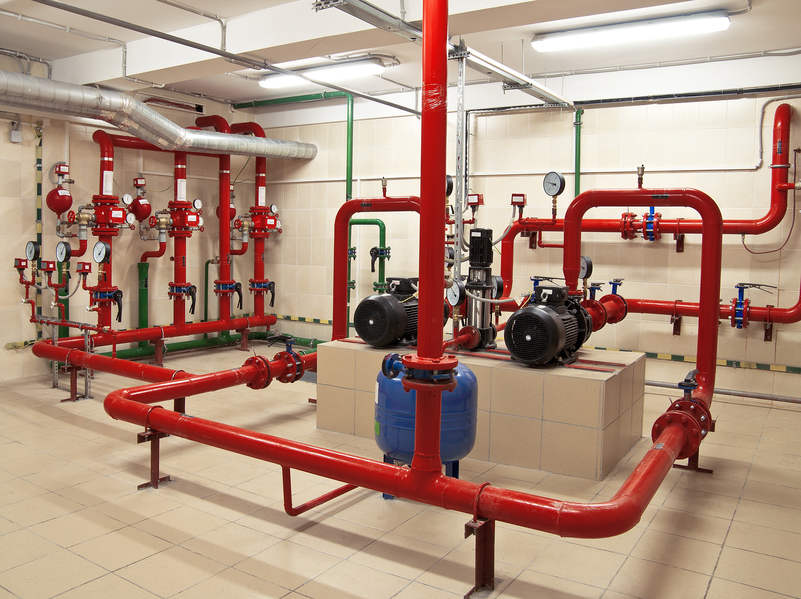
This online engineering PDH course provides basic information on how to improve water management, reduce property water use, and subsequently improve EPA Water Score.
Bathrooms offer a clear opportunity for properties to save significant amounts of water. Use of toilets, faucets, showerheads, and other sanitary fixtures in the bathroom suite typically represent a significant percentage of water use in properties. Replacing bathroom fixtures with water-efficient products, and WaterSense labeled products when applicable, can provide the most significant opportunity for water and energy savings, particularly in older buildings with inefficient fixtures.
This 1 PDH online course is applicable to mechanical and sustainability engineers, as well as other technical personnel who are interested in improving water management and minimizing wastewater.
This PE continuing education course is intended to provide you with the following specific knowledge and skills:
- Knowing the background and importance of water management for bathrooms
- Familiarizing with bathroom maintenance best management practices
- Understanding water savings calculations for toilets, bathroom sink faucets, bath and shower diverters, and showerheads
- Knowing the replacement options when installing new toilet fixtures or replacing old, inefficient products
Upon successful completion of the quiz, print your Certificate of Completion instantly. (Note: if you are paying by check or money order, you will be able to print it after we receive your payment.) For your convenience, we will also email it to you. Please note that you can log in to your account at any time to access and print your Certificate of Completion.

This online engineering PDH course provides basic information on wireless occupancy for lighting controls.
Lighting use constitutes about 20% of the total energy consumption in commercial buildings. Adding lighting controls is a simple retrofit option than can save on energy costs while helping to meet agency and federal energy savings mandates. Some energy codes and federal standards require the use of lighting controls.
Studies have shown that adding lighting controls can reduce lighting energy use 10% to 90% or more depending on the use of the space in which the sensors are installed. One study conducted on a university campus found that installing wired occupancy sensors to control lighting in more than 200 rooms in 10 buildings provided an annual cost savings of about $14,000 with a simple payback of 4.2 years.
This 1 PDH online course is applicable to electrical engineers and others interested in gaining knowledge about wireless occupancy for lighting controls for a better sustainable design.
This PE continuing education course is intended to provide you with the following specific knowledge and skills:
- Familiarizing with the different types of occupancy sensors and their characteristics including microphonic, ultrasonic, bluetooth, video image and dual technology
- Gaining a general overview of the codes and standards of lighting controls
- Learning about the types of light source to use for occupancy sensors
- Understanding how wireless sensors are powered and the best practices in using wireless sensors
- Learning about the cost considerations for wire and wireless sensors
Upon successful completion of the quiz, print your Certificate of Completion instantly. (Note: if you are paying by check or money order, you will be able to print it after we receive your payment.) For your convenience, we will also email it to you. Please note that you can log in to your account at any time to access and print your Certificate of Completion.

This online engineering PDH course provides basic information on detecting and regulating equipment leaks and providing repair solutions.
EPA has determined that leaking equipment, such as valves, pumps, and connectors, are the largest source of emissions of volatile organic compounds (VOCs) and volatile hazardous air pollutants (VHAPs) from petroleum refineries and chemical manufacturing facilities. The Agency has estimated that approximately 70,367 tons per year of VOCs and 9,357 tons per year of HAPs have been emitted from equipment leaks. Emissions from equipment leaks exceed emissions from storage vessels, wastewater, transfer operations, or process vent.
This course identifies some of the problems identified with LDAR (Leak Detection And Repair) programs focusing on Method 21 requirements and will describe the practices that can be used to increase the effectiveness of an LDAR program. Some of the elements of a model LDAR program are required by current Federal regulations and other model LDAR program elements help ensure continuous compliance although they may not be mandated from a regulatory standpoint. Prior to developing a written LDAR program plan, all applicable regulations should be reviewed to determine and ensure compliance with the most stringent requirements.
This 2 PDH online course is applicable to environmental engineers, as well as other technical professionals who are interested in learning about leak detection and repair.
This PE continuing education course is intended to provide you with the following specific knowledge and skills:
- Familiarizing with the importance of regulating equipment leaks
- Familiarizing with the major elements of an LDAR program and its importance
- Understanding typical mistakes made when monitoring to detect leaks
- Learning about problems that occur from improper management of an LDAR program
- Exploring a set of best practices that can be used to implement effective an LDAR program
Upon successful completion of the quiz, print your Certificate of Completion instantly. (Note: if you are paying by check or money order, you will be able to print it after we receive your payment.) For your convenience, we will also email it to you. Please note that you can log in to your account at any time to access and print your Certificate of Completion.

In this online engineering PDH course, ten case studies of actual enforcement actions taken by a state licensing board are presented. The cases have been selected to be representative of situations likely to exist in many states. Board procedures and the types of enforcement actions available are shown by a variety of cases ranging from a geotechnical engineer who produced (within one hour and without visiting the site) a soils report, to an engineer who was unable to document his PDH's during a board audit. The importance of being very careful about when to put "P.E." after one's name on a document also will become apparent.
Codes of ethics for engineers typically describe standards for professional behavior. The enforcement of those ethical standards that are inscribed into law lies with the licensing boards of state governments.
This 1 PDH online course is intended primarily for all engineers seeking to deepen their understanding of what constitutes ethical and professional engineering behavior and how such behavior is enforced by the licensing board.
This PE continuing education course is intended to provide you with the following specific knowledge and skills:
-
Familiarizing with the format of enforcement decrees issued by a state licensing board
-
Knowing the ten different types of licensing violations
-
Understanding the investigative process of the board, as it attempts to determine the validity of complaints brought before it
-
Learning about the types of enforcement actions available to the board
In this professional engineering CEU course, you need to review the course document titled, "Ethics, Professionalism and Disciplinary Actions: Case Studies".
Upon successful completion of the quiz, print your Certificate of Completion instantly. (Note: if you are paying by check or money order, you will be able to print it after we receive your payment.) For your convenience, we will also email it to you. Please note that you can log in to your account at any time to access and print your Certificate of Completion.