

Mississippi Chemical and Ethics 30 PDH Discount Package 1
Chemical Safety for Sustainability (H05-005)
New Methodologies for Chemical Risk Assessment (H02-012)
UV Disinfection Options for Wastewater Treatment Plants (C08-006)
Exposure-based Chemical Priority Setting in the 21st Century (H02-014)
Exposure Assessment During a Chemical Attack (H08-001)
General Principles of Engineering Ethics (LE2-016)
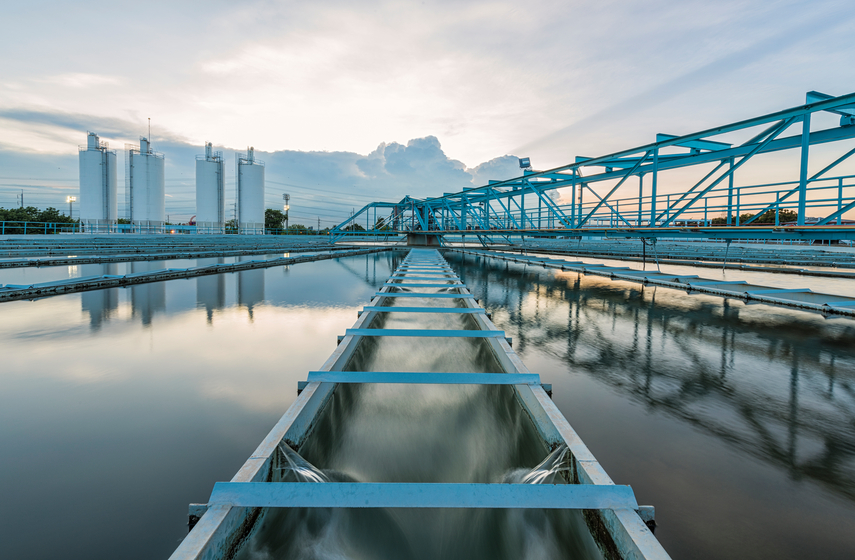
This online engineering PDH course will introduce you to methods for cleaning industrial water systems with chemicals. You will learn about pre-operational cleaning which is performed to prepare water-contacted metal surfaces to receive chemical treatment to provide protection from scale, corrosion and microbiological growth. You will also learn about remedial cleaning to restore water systems that have been fouled with scale, corrosion products and microbiological growth due to inadequate or ineffective water treatment. Examples of industrial water systems for which chemical cleaning are applicable are boilers, heat exchangers, cooling towers, and chillers.
Maintenance of an effective water treatment program is essential to minimize scale and corrosion problems in industrial water systems; however, scale and deposits will often form and require remedial cleaning. If not removed, these scale and water-caused deposits may impact the safety of operations personnel, interfere with heat transfer, and cause excessive damage to, or destruction of, the water-using equipment.
This 3 PDH online course is intended for industrial, chemical and mechanical engineers, as well as, maintenance personnel and construction professionals interested in learning about the use of chemicals for cleaning industrial water systems and equipment such as boilers, heat exchangers, cooling towers and chillers.
This PE continuing education course is intended to provide you with the following specific knowledge and skills:
- Learning about pre-operational cleaning of new industrial water-using systems and equipment
- Learning about remedial cleaning of industrial water systems and equipment to restore them to optimal operating condition
- Learning about chemical cleaning methods that have largely superseded mechanical cleaning methods
- Learning about chemicals used for chemical treatment of industrial water systems
- Learning about the use of hydrochloric acid to remove carbonates scale with lesser amounts of phosphates, sulfates and silicates
- Learning about hydrochloric acid's limitations where stainless or galvanized steel is part of the system
- Learning about the use of sulfamic acid to remove scale from metal surfaces
- Learning about the importance of isolating equipment to be cleaned from other parts of the system using valves, rubber blankets, wooden bulkheads with seals, inflatable nylon or rubber bags, rubber sponge-covered plugs, or blind flanges and steel plates with rubber seals
- Learning about the recirculating cleaning process for boilers
- Learning about a circulating method for descaling smaller equipment that does not require heating
- Learning about the fill and soak method of chemical cleaning
In this professional engineering CEU course, you need to review the course document titled, "An Introduction to Chemical Cleaning of Industrial Water Systems".
Upon successful completion of the quiz, print your Certificate of Completion instantly. (Note: if you are paying by check or money order, you will be able to print it after we receive your payment.) For your convenience, we will also email it to you. Please note that you can log in to your account at any time to access and print your Certificate of Completion.
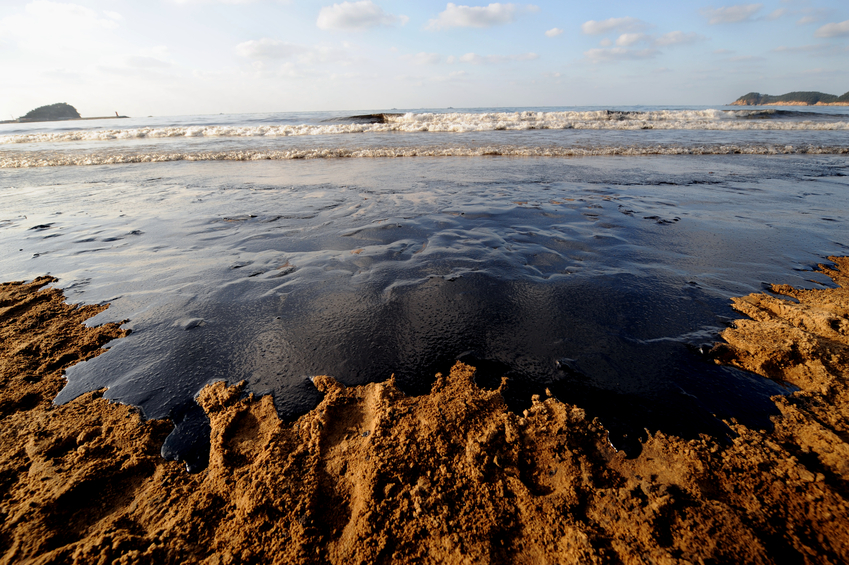
This online engineering PDH course provides an overview of the new strategic plan developed by the U.S. Environmental Protection Agency (EPA) with regard to chemical safety.
The EPA’s Chemical Safety for Sustainability (CSS) National Research Program is focused on addressing the pressing environmental and health challenge of a lack of sufficient information on chemicals needed to make informed, risk-based decisions.
The impetus for the program is to meet the shared health and environmental protection goals of the Agency’s program and regional offices, states, and Tribes while performing transformative research, leading to improved science-based approaches that build broader understanding of biology, chemical toxicity, and exposure.
This 5 PDH online course is applicable to chemical and environmental engineers, as well technical staff and facility operators who are interested in gaining a better understanding of chemical safety.
This PE continuing education course is intended to provide you with the following specific knowledge and skills:
- Familiarizing with the CSS NRP Strategic Research Action Plan (StRAP)
- Knowing the vision and direction behind the program
- Understanding the different research topics and research areas of CSS research program
- Learning the possible methods of implementing the StRAP
- Familiarizing with the cross-cutting research priorities
Upon successful completion of the quiz, print your Certificate of Completion instantly. (Note: if you are paying by check or money order, you will be able to print it after we receive your payment.) For your convenience, we will also email it to you. Please note that you can log in to your account at any time to access and print your Certificate of Completion.
This online engineering PDH course provides an overview of how chemicals are traditionally regulated in the U.S. as well as the methods used through NAMs to identify chemical risks.
A tapestry of laws covers the chemicals people are exposed to in the United States, at least 3221 chemical signatures in pooled human blood samples, many appear to be exogenous. Different testing requirements exist for food additives, pharmaceuticals, and pesticide active ingredients. Most other chemicals, ranging from industrial waste to dyes to packing materials, are covered by the Toxic Substances Control Act (TSCA). New approach methodologies (NAMs) are being considered to inform prioritization of chemicals for testing and evaluation.
This 2 PDH online course is applicable to chemical engineers and professionals who are interested in learning more about the new approaches to chemical risk management.
This PE continuing education course is intended to provide you with the following specific knowledge and skills:
- Familiarizing with the basic structure of EPA’s Office of Research and Development
- Understanding the New Approach Methodologies (NAMs)
- Learning how chemicals are regulated in the United States
- Understanding high throughput risk prioritization that depends on hazard, exposure and dose-response
- Gaining a general overview of the Toxic Substances Control Act (TSCA)
Upon successful completion of the quiz, print your Certificate of Completion instantly. (Note: if you are paying by check or money order, you will be able to print it after we receive your payment.) For your convenience, we will also email it to you. Please note that you can log in to your account at any time to access and print your Certificate of Completion.
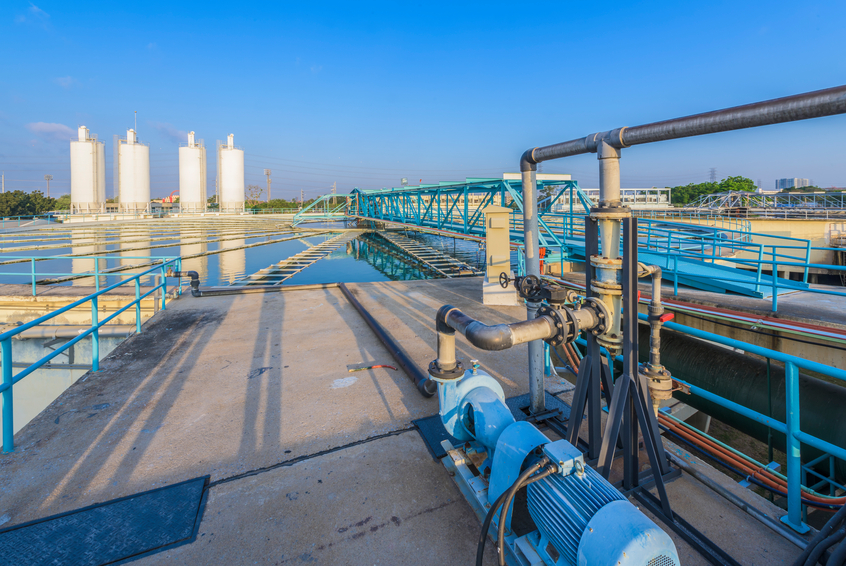
This online engineering PDH course will provide a detailed evaluation of ultra violet (UV) technology as an alternative to conventional chemical disinfection methods used at wastewater treatment plants (WWTP).
Chlorination has been the preferred disinfection method used for treating WWTP effluent, but concerns about chemical releases, public safety, and the potential for chlorinated effluent to be toxic to aquatic life have caused municipal managers to consider other options. Although chlorine, sometimes followed by dechlorination, continues to be used at many municipal WWTPs, use of other means, such as UV disinfection, is increasing. UV is a technology capable of providing effective WWTP effluent disinfection while reducing safety and environmental toxicity issues.
There are many factors that must be carefully considered to verify that UV facilities are safe, reliable and economical. These issues include the cost of power and lamp replacement, lamp fouling, ability of the water to allow transmission of UV radiation, tailing, photoreactivation and regrowth of disinfected microorganisms, and dose selection.
This 8 PDH online course is intended for wastewater treatment engineers and environmental professionals seeking to gain an understanding of UV disinfection technologies. This course is also an excellent overview for those environmental professionals working in the field of water and wastewater treatment. A complete description of UV science is described along with its application to the disinfection of wastewater. The three major UV technology options are fully presented and compared. Results of a pilot demonstration are looked at to give the reader a real world example for evaluating UV technologies as an option for disinfecting wastewater at an existing plant.
This PE continuing education course is intended to provide you with the following specific knowledge and skills:
- General requirements of the USEPA Clean Water Act
- UV science
- Current UV disinfection technologies used in wastewater treatment
- Variations of alternative lamps and UV equipment
- Design and dose requirements of UV systems
- O&M requirements and costs of UV systems
- Support information for determining UV disinfection options
In this professional engineering CEU course, you need to review the NYSERDA Publication, "Evaluation of Ultraviolet (UV) Radiation Disinfection Technologies for Wastewater Treatment Plant Effluent".
Upon successful completion of the quiz, print your Certificate of Completion instantly. (Note: if you are paying by check or money order, you will be able to print it after we receive your payment.) For your convenience, we will also email it to you. Please note that you can log in to your account at any time to access and print your Certificate of Completion.
This online engineering PDH course provides a comprehensive overview of exposure-based chemical priority setting, focusing on innovative methodologies for evaluating chemical risks.
This course explores the role of the U.S. EPA’s Office of Research and Development, the use of high-throughput screening in chemical safety evaluation, and recent updates to the Toxic Substances Control Act (TSCA), highlighting their impact on environmental and public health decision-making. It emphasizes the use of New Approach Methodologies (NAMs) and tools like the CompTox Chemicals Dashboard to enhance chemical safety assessments. It also addresses the challenges in managing chemical exposures and the value of biomonitoring data.
This 2 PDH online course is applicable to environmental engineers, safety and health professionals as well as others interested in effective chemical risk assessment and management.
This PE continuing education course is intended to provide you with the following specific knowledge and skills:
- Understanding the principles of exposure-based chemical priority setting and its significance in risk assessment
- Learning about the role of the U.S. Environmental Protection Agency (EPA) and the updates to the Toxic Substances Control Act (TSCA)
- Knowing the various New Approach Methodologies (NAMs) used for prioritizing and evaluating chemical safety
- Familiarizing yourself with high-throughput screening methods and their application in assessing chemical hazards and exposures
- Understanding the integration of biomonitoring data and predictive modeling in chemical risk assessment
- Learning how to utilize tools like the CompTox Chemicals Dashboard and the httk R package for chemical evaluation and exposure forecasting
Upon successful completion of the quiz, print your Certificate of Completion instantly. (Note: if you are paying by check or money order, you will be able to print it after we receive your payment.) For your convenience, we will also email it to you. Please note that you can log in to your account at any time to access and print your Certificate of Completion.
This online engineering PDH course provides a comprehensive overview of exposure assessment during a chemical attack, specifically focusing on livestock carcass management.
This course explores various management options available for handling livestock carcasses in the wake of potential chemical contamination events. It covers essential topics such as the estimation of releases, fate and exposure estimation methods, and the evaluation of different carcass management techniques within the context of regulatory compliance. This course aims to equip engineers and environmental professionals with the knowledge required to make informed decisions regarding livestock carcass management following chemical emergencies. It delves into the complexities of chemical hazards, including dioxins and diazinon, and their impacts on air, soil, and water resources. Additionally, the course features real-world case studies and examples to illustrate best practices in managing livestock carcasses to minimize risks to human health and the environment.
This 8 PDH online course is applicable to chemical and environmental engineers, as well as other technical professionals involved in exposure assessment during a chemical attack.
This PE continuing education course is intended to provide you with the following specific knowledge and skills:
- Understanding the various livestock carcass management options available during a chemical attack and their respective advantages and disadvantages
- Learning about the chemical hazards associated with livestock, including dioxins and diazinon, and their environmental impacts
- Knowing the estimation methods for releases and exposure pathways related to carcass management strategies
- Familiarizing with regulatory frameworks governing the disposal of contaminated livestock carcasses and ensuring compliance with environmental laws
- Understanding the fate and transport of chemicals in air, soil, and water following livestock management practices
- Learning to assess the potential risks to human health and the environment from different carcass management approaches
- Familiarizing with case studies that illustrate successful carcass management strategies in the context of chemical emergencies
- Understanding the importance of decision-making and prioritization in selecting mitigation measures during chemical incidents affecting livestock
Upon successful completion of the quiz, print your Certificate of Completion instantly. (Note: if you are paying by check or money order, you will be able to print it after we receive your payment.) For your convenience, we will also email it to you. Please note that you can log in to your account at any time to access and print your Certificate of Completion.

This online engineering PDH course presents the principles of engineering ethics that every engineer is expected to live by when practicing their profession.
Engineering ethics is (1) the study of moral issues and decisions confronting individuals and organizations involved in engineering and (2) the study of related questions about moral conduct, character, ideals and relationships of peoples and organizations involved in technological development (Martin and Schinzinger, Ethics in Engineering).
This course describes the fundamental legal concepts with which very engineer should be familiar. It also presents unique disciplinary case studies selected from across the nation, as well as hypothetical ethical challenges that demonstrate how difficult it can be to apply the code of ethics for engineers.
This 2 PDH online course is applicable to all professional engineers who are either required to fulfill 2 PDH in engineering ethics or are interested in broadening their understanding of what it means to practice and uphold the honor and integrity of their engineering profession while holding the utmost safety, health, and welfare of the public.
This PE continuing education course is intended to provide you with the following specific knowledge and skills:
- Understanding the common definition of ethics regarding engineering
- Learning about the important principles of the engineer’s professional responsibility
- Learning the do’s and don’ts through several ethical and disciplinary cases
- Understanding what it means to practise and uphold the honor and integrity of the engineering profession
Upon successful completion of the quiz, print your Certificate of Completion instantly. (Note: if you are paying by check or money order, you will be able to print it after we receive your payment.) For your convenience, we will also email it to you. Please note that you can log in to your account at any time to access and print your Certificate of Completion.