

Georgia Mechanical 15 PDH Discount Package 3
Introduction to Refrigeration Systems (M08-008)
Principles of an Internal Combustion Engine (M03-051)
Decarbonizing HVAC and Water Heating in Commercial Buildings (M01-025)
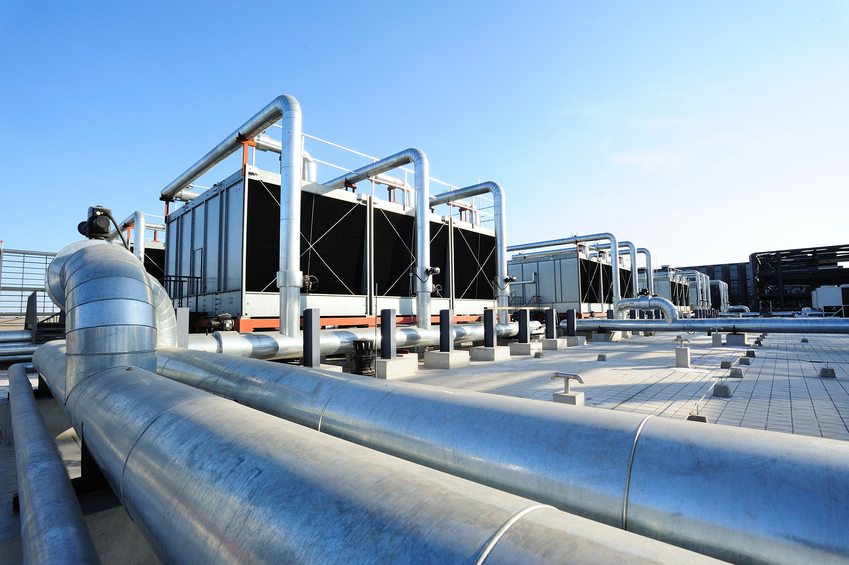
This online engineering PDH course provides an overview of the purpose, types and operation of several basic mechanical components.
These components which include air compressors, boilers, cooling towers, steam traps, filters and strainers; are found at the heart of many plants and have widespread applications in several industries.
This 3 PDH online course is applicable to mechanical and industrial engineers, operators, maintenance personnel, and other technical staff who are interested in gaining a better understanding of the operation of the different mechanical equipment.
This PE continuing education course is intended to provide you with the following specific knowledge and skills:
- Understanding the various types of air compressors, operation and safety hazards
- Familiarizing with boilers
- Learning the purpose of the cooling tower and its various types
- Learning the fundamentals of steam traps and their different types
- Distinguishing between filters and strainers and learning their different types
Upon successful completion of the quiz, print your Certificate of Completion instantly. (Note: if you are paying by check or money order, you will be able to print it after we receive your payment.) For your convenience, we will also email it to you. Please note that you can log in to your account at any time to access and print your Certificate of Completion.
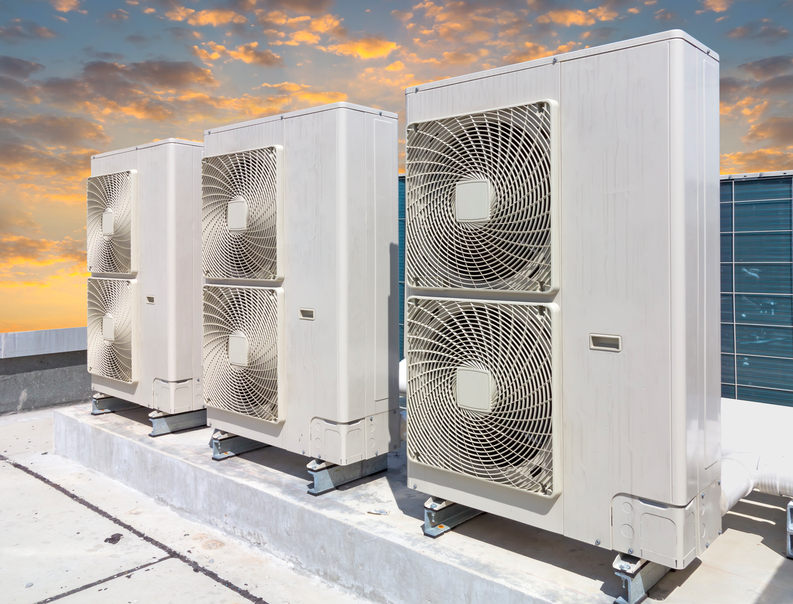
This online engineering course provides necessary information to understand the principles and theory of refrigeration, the components of mechanical refrigeration systems, and the types of refrigerants and associated equipment. This course also discusses the methods used for installing, maintaining, and repairing refrigeration equipment, including domestic refrigerators and freezers.
Refrigeration is the process of removing heat from an area or a substance. It is usually done by an artificial means of lowering the temperature, such as by the use of ice or mechanical refrigeration, which is a mechanical system or apparatus, designed and constructed to transfer heat from one substance to another.
This 8 PDH online course is intended for HVACR, mechanical and industrial engineers, manufacturers, maintenance staff, and others seeking a basic understanding of refrigeration systems.
This PE continuing education course is intended to provide you with the following specific knowledge and skills:
- Understanding the physics behind heat and refrigeration
- Learning about the refrigeration cycle and its different mechanical components
- Familiarizing with the different types of refrigerants
- Understanding the safety precautions associated with refrigerants
- Familiarizing with the different types of refrigerant equipment
- Understanding the installation procedures for refrigerant equipment
- Learning about the maintenance, service, and repair procedures associated with refrigerant equipment
Upon successful completion of the quiz, print your Certificate of Completion instantly. (Note: if you are paying by check or money order, you will be able to print it after we receive your payment.) For your convenience, we will also email it to you. Please note that you can log in to your account at any time to access and print your Certificate of Completion.
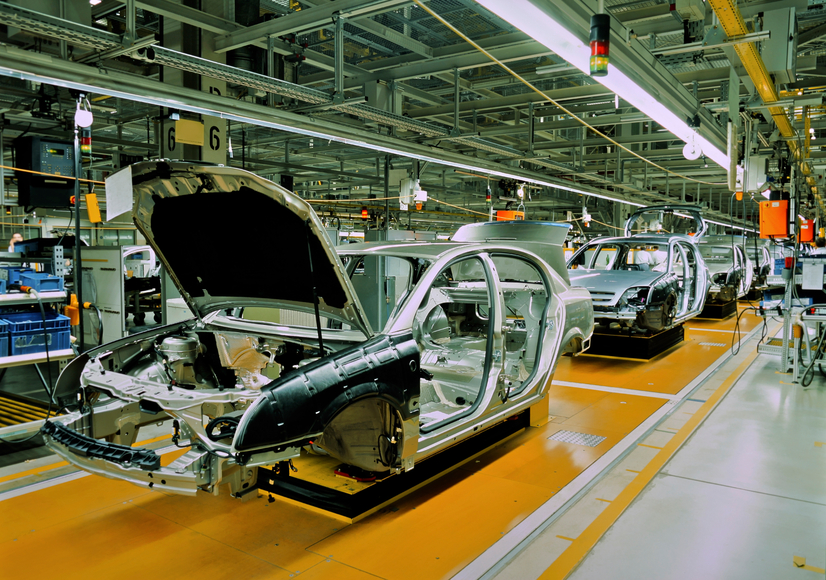
This online engineering course presents the operational principles and basic mechanisms of the internal combustion engine.
The power of an internal combustion engine comes from burning a mixture of fuel and air in a small, enclosed space. When this mixture burns, it expands significantly; building pressure that pushes the piston down, in turn rotating the crankshaft. Eventually, this motion is transferred through the transmission and out to the drive wheels to move the vehicle.
The automobile is a familiar object to all of us. The engine that moves it is one of the most fascinating and talked about of all the complex machines we use today. This machine is what we call the internal combustion engine.
This 3 PDH online course is intended for mechanical and industrial engineers, designers, manufacturers and anyone interested in gaining a better understanding of the basics of an internal combustion engine.
This PE continuing education course is intended to provide you with the following specific knowledge and skills:
- Understanding the principles of operation, the different classifications, the measurements and performance standards of an internal combustion engine
- Identifying the series of events /cycles in a gasoline engine
- Identifying the series of events /cycles in a diesel engine
- Understanding the differences between a four-stroke cycle engine and a two-stroke cycle engine
- Recognizing the differences in the types, cylinder arrangements, and valve arrangements of internal combustion engines
- Identifying the terms, engine measurements, and performance standards of an internal combustion engine
Upon successful completion of the quiz, print your Certificate of Completion instantly. (Note: if you are paying by check or money order, you will be able to print it after we receive your payment.) For your convenience, we will also email it to you. Please note that you can log in to your account at any time to access and print your Certificate of Completion.

This online engineering PDH course presents the technical, economic, and feasibility assessment for converting to all-electric heating solutions.
Electrification of building loads presents a significant opportunity to reduce site-level greenhouse gas (GHG) emissions, especially when combined with renewable and zero-carbon electricity resources. Electrification involves the conversion of a building system that would traditionally use fossil fuels (such as, natural gas, fuel oil, or propane) to the use of electrical power, which could be a key strategy in decarbonization. The course focuses on electrification and decarbonization of space heating and water heating loads using electric heat pump systems.
This 1 PDH online course is applicable to mechanical, energy, and facility engineers as well as other technical professionals interested in learning about electrification and decarbonization of space and water heating loads using electric heat pump systems.
This PE continuing education course is intended to provide you with the following specific knowledge and skills:
- Familiarizing with electrification options for HVAC and water heating
- Understanding the evaluation checklist for electrification assessment
- Learning some case studies that focus on heating electrification and decarbonization of commercial buildings
- Knowing the industry transition to low-GWP refrigerants
Upon successful completion of the quiz, print your Certificate of Completion instantly. (Note: if you are paying by check or money order, you will be able to print it after we receive your payment.) For your convenience, we will also email it to you. Please note that you can log in to your account at any time to access and print your Certificate of Completion.