

Georgia Electrical 15 PDH Discount Package 3
Electricity Grid - Resilience to Climate Change (E03-047)
Electricity Grid - Resilience to Hurricanes (E02-034)
Adequate Transformer Reserves (E02-032)
Improving Motor and Drive System Performance (E06-006)
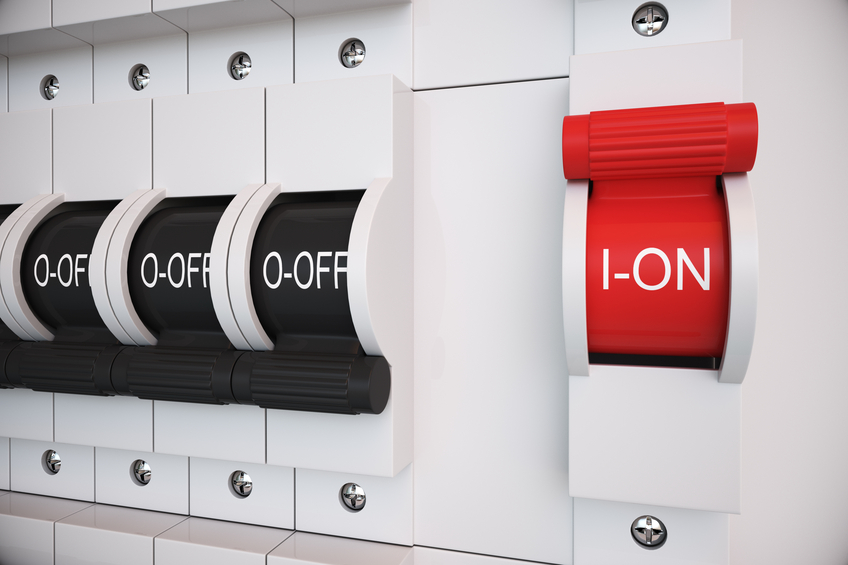
This online engineering PDH course provides an insight on the importance of cybersecurity on the electric grid systems.
The U.S. grid’s distribution systems—which carry electricity from transmission systems to consumers and are regulated primarily by states—are increasingly at risk from cyberattacks. Distribution systems are growing more vulnerable, in part because their industrial control systems increasingly allow remote access and connect to business networks. As a result, threat actors can use multiple techniques to access those systems and potentially disrupt operations.
This 2 PDH online course is applicable to electrical engineers and other technical personnel who are interested in learning more about how to protect the electric grid from various cyberattacks.
This PE continuing education course is intended to provide you with the following specific knowledge and skills:
- Understanding the importance of electric grid cybersecurity
- Learning why modern electric grid systems are at risk of cyberattacks
- Familiarizing with the different methods used that compromise the security of industrial control systems
- Understanding the potential impact of cyberattacks on industrial control systems
- Knowing the potential threat actors that may pose significant threats to the grid’s distribution systems
- Learning the various actions aimed at improving grid distribution systems’ cybersecurity
In this professional engineering CEU course, you need to review the course document titled, “Electricity Grid Cybersecurity”, which is based on the United States Government Accountability Office (GAO) document titled “ELECTRICITY GRID CYBERSECURITY: DOE Needs to Ensure Its Plans Fully Address Risks to Distribution Systems”, publication no. GAO-21-81.
Upon successful completion of the quiz, print your Certificate of Completion instantly. (Note: if you are paying by check or money order, you will be able to print it after we receive your payment.) For your convenience, we will also email it to you. Please note that you can log in to your account at any time to access and print your Certificate of Completion.
This online engineering PDH course provides a comprehensive analysis of the potential effects of climate change on the electricity grid and examines strategies to improve its resilience.
Climate change presents substantial challenges for the grid, affecting generation, transmission, distribution, and electricity demand. These challenges could incur costs amounting to billions of dollars annually, jeopardizing economic stability and national security.
The course investigates the vulnerabilities of the U.S. electric grid to climate change-related incidents and evaluates key measures implemented by the Department of Energy (DOE) and the Federal Energy Regulatory Commission (FERC) since 2014 to enhance grid resilience. As private companies largely own the grid, federal guidance and standards are crucial for effective resilience planning.
This 3 PDH online course is designed for electrical engineers and other technical professionals seeking to learn how to strengthen grid resilience against climate change.
This PE continuing education course is intended to provide you with the following specific knowledge and skills:
- Understanding the effects of climate change on the electricity grid
- Examining the anticipated costs associated with climate change-related outages and infrastructure damage
- Familiarizing with the roles and responsibilities of the Department of Energy (DOE) and the Federal Energy Regulatory Commission (FERC) in bolstering grid resilience
- Learning how federal agencies assist private companies, which predominantly own the grid, through guidance, research, and standards
- Learning how resilience investments can alleviate the impacts of climate change on the electricity grid while safeguarding economic and national security
Upon successful completion of the quiz, print your Certificate of Completion instantly. (Note: if you are paying by check or money order, you will be able to print it after we receive your payment.) For your convenience, we will also email it to you. Please note that you can log in to your account at any time to access and print your Certificate of Completion.
This online engineering PDH course provides an overview on the effects of hurricanes on the electric grid system in the United States and the efforts being made to enhance the grid resilience.
Hurricanes pose significant threats to the electricity grid in some U.S. coastal areas and territories and are a leading cause of major power outages. In recent years, hurricanes have impacted millions of customers in these areas. Adoption of technologies and other measures could improve the resilience of the grid so that it is better able to withstand and rapidly recover from severe weather; this could help mitigate the effects of hurricanes.
This 2 PDH online course is applicable to electrical engineers and other professionals who are interested in learning more about how to protect the electric grid from hurricanes.
This PE continuing education course is intended to provide you with the following specific knowledge and skills:
- Familiarizing with the electric grid system in the U.S.
- Understanding the effect of hurricanes on the grid
- Learning the efforts being made to improve grid resilience
- Knowing the recommendations proposed by GAO to improve the grid resilience
Upon successful completion of the quiz, print your Certificate of Completion instantly. (Note: if you are paying by check or money order, you will be able to print it after we receive your payment.) For your convenience, we will also email it to you. Please note that you can log in to your account at any time to access and print your Certificate of Completion.
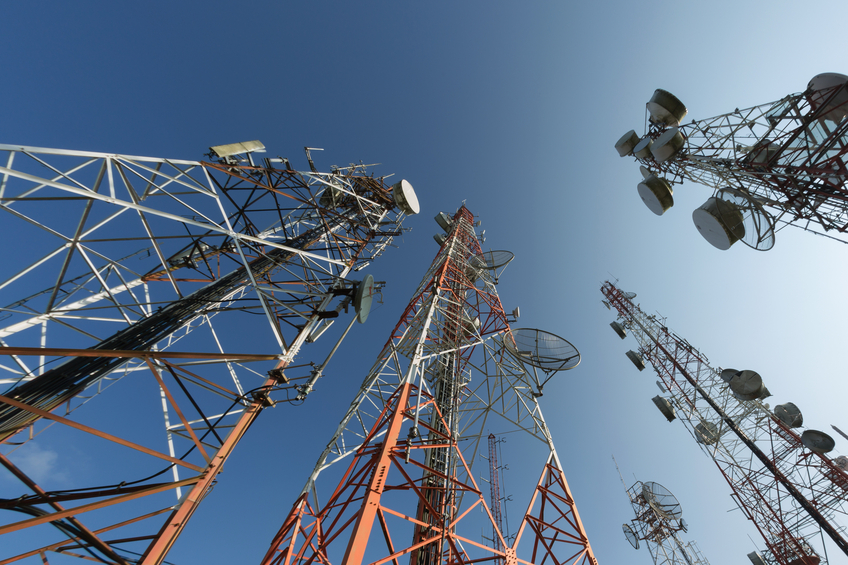
This online engineering PDH course discusses large power transformers, presents their different challenges, and provides various plans and recommendations on how to resolve them.
Large power transformers (LPT) serve as a key function to electricity grid infrastructure by managing voltage for efficient, long-distance power transmission and use by grid customers. Electric utilities and the U.S. Department of Energy face several challenges in ensuring that LPTs, both in use and in reserve, are available in adequate numbers to maintain a resilient electricity grid.
This 2 PDH online course is applicable to electrical engineers and other technical staff who are interested in gaining a better understanding of the challenges facing large power transformers.
This PE continuing education course is intended to provide you with the following specific knowledge and skills:
- Familiarizing with LPTs and their function in the electric grid system
- Exploring the challenges of LPT manufacturing
- Understanding the challenges to ensure adequate transformer reserves
- Learning the various plans and recommendations presented to maintain LPTs
Upon successful completion of the quiz, print your Certificate of Completion instantly. (Note: if you are paying by check or money order, you will be able to print it after we receive your payment.) For your convenience, we will also email it to you. Please note that you can log in to your account at any time to access and print your Certificate of Completion.
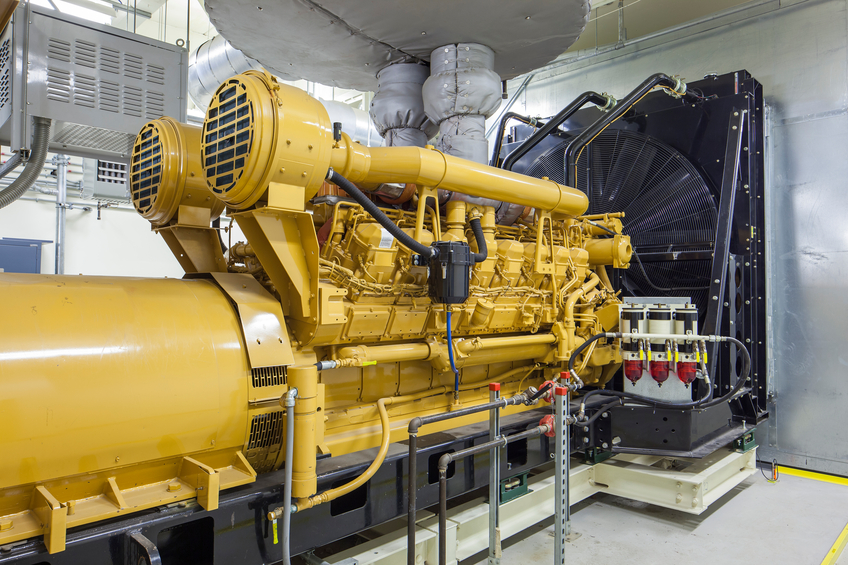
This online PDH course presents the basics of motor and drive systems and briefly describes important terms, relationships, and system design considerations. It also provides a roadmap for finding opportunities to improve motor performance, as well as exploring the economics of motor systems.
Electric motors, taken together, make up the single largest end use of electricity in the United States. In the U.S. manufacturing sector, electric motors used for machine drives such as pumps, conveyors, compressors, fans, mixers, grinders, and other materials handling or processing equipment account for about 54% of electricity consumption.
To achieve cost-effective operation and maintenance of a motor and drive system, operators must pay attention to the entire system as well as to its individual components. Often, when investigating efficiency opportunities, operators are so focused on the immediate demands of this equipment that they overlook the bigger picture, which includes the ways in which system parameters affect all the equipment.
This 6 PDH online course is intended for electrical and mechanical engineers, contractors, manufacturers, building professionals and others interested in learning more about improving motor and drive system performance.
This PE continuing education course is intended to provide you with the following specific knowledge and skills:
- Detecting the indications of a poor system design
- Learning about the different types of electric motors
- Understanding motor operating characteristics
- Selecting motors and drives for their corresponding applications
- Understanding load duty cycles
- Familiarizing with common motor selection problems
- Understanding the framework for addressing seven efficiency opportunities
- Familiarizing with the steps that could be considered to improve motor performance
- Gaining a basic understanding of the economic considerations of motor systems
Upon successful completion of the quiz, print your Certificate of Completion instantly. (Note: if you are paying by check or money order, you will be able to print it after we receive your payment.) For your convenience, we will also email it to you. Please note that you can log in to your account at any time to access and print your Certificate of Completion.