

District of Columbia Transportation and Ethics 20 PDH Discount Package 2
Low-Cost Treatments for Horizontal Curve Safety (C08-020)
Impact of Exempt Vehicles on HOV Lanes (C05-012)
Ethics, Professionalism and Disciplinary Actions: Case Studies (LE1-003)
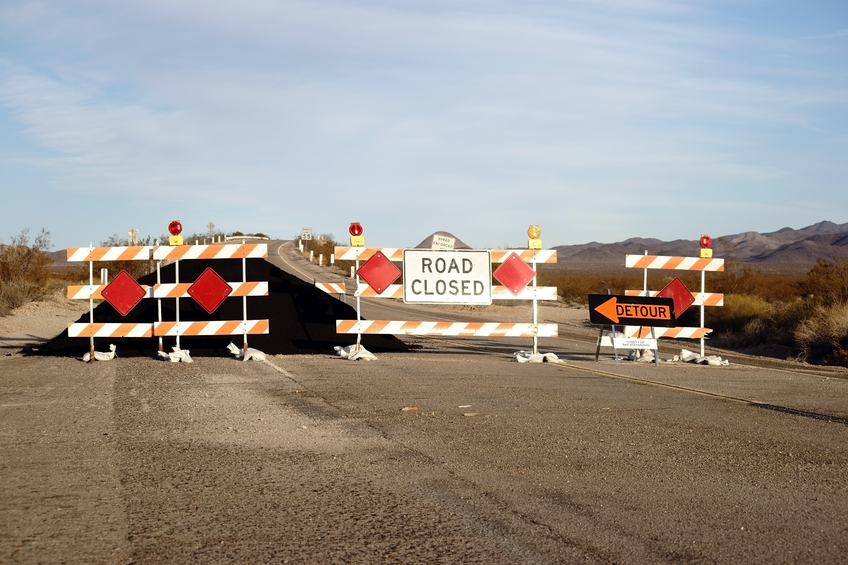
This online engineering PDH course describes bottlenecks and explores near-term operational and low-cost construction opportunities to correct them.
Delays due to traffic congestion seem like an unavoidable, frustrating fact of life. Or are they—unavoidable, that is? This course focuses on traffic congestion caused by bottlenecks—which are specific locations on the highway system where the physical layout of the roadway routinely cannot process the traffic that wants to use it and results in localized, recurring congestion.
By focusing on relieving localized, recurring congestion at bottlenecks, this primer can help agencies identify the right fix for a particular bottleneck. What’s more, the right fix for a localized, recurring bottleneck is usually spot-specific, more effective, less expensive, and faster to implement than building a new facility.
This 6 PDH online course is applicable to traffic engineers and planners, conceptual and detail designers, and other technical professionals who are interested in gaining a better understanding in traffic bottlenecks operational improvements.
This PE continuing education course is intended to provide you with the following specific knowledge and skills:
- Understanding bottlenecks and congestion
- Learning about the different strategies of resolving congestion
- Knowing how to structure a localized bottleneck program
- Identifying, assessing and addressing bottlenecks
- Incorporating quick-fix bottleneck solutions into the Congestion Initiative
- Understanding how agencies are dealing with bottlenecks (case studies)
Upon successful completion of the quiz, print your Certificate of Completion instantly. (Note: if you are paying by check or money order, you will be able to print it after we receive your payment.) For your convenience, we will also email it to you. Please note that you can log in to your account at any time to access and print your Certificate of Completion.

This online PDH course primarily covers engineering countermeasures for horizontal curve safety that are relatively low-cost, such as signage and pavement markings.
This course is intended to provide information specifically relating to lower volume two-lane roads and the agencies that manage them. It will help transportation agencies and their crews understand the available countermeasures and how to select and apply them.
This 8 PDH online course is applicable to traffic engineers, local transport agencies, design professionals and personnel who wish to understand the available horizontal curve safety countermeasures and how to select and apply them.
This PE continuing education course is intended to provide you with the following specific knowledge and skills:
- Learning about the two components of safety improvements
- Familiarization with the markings, signs, and pavement countermeasures that are used to improve horizontal curve safety
- Addressing the importance of roadside conditions and improvement opportunities
- Familiarization with the possible means of improving intersections
Upon successful completion of the quiz, print your Certificate of Completion instantly. (Note: if you are paying by check or money order, you will be able to print it after we receive your payment.) For your convenience, we will also email it to you. Please note that you can log in to your account at any time to access and print your Certificate of Completion.
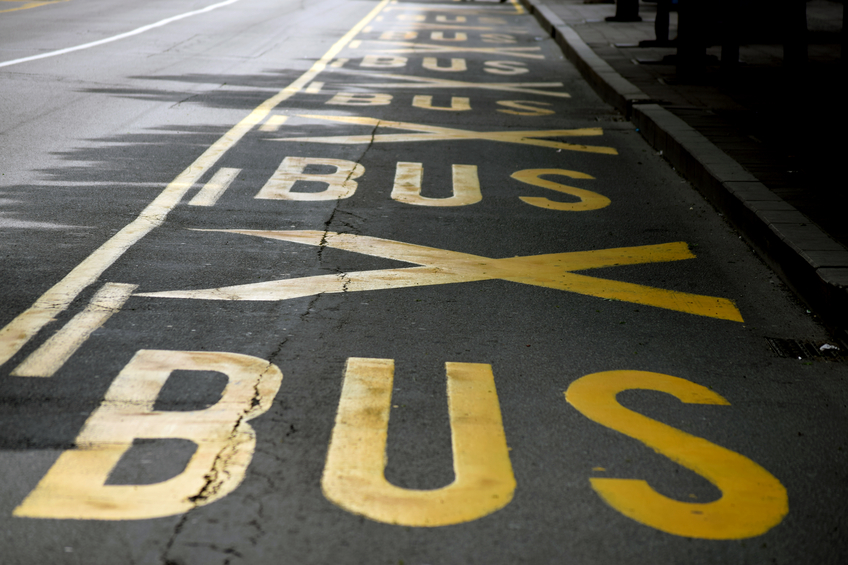
This online engineering PDH course presents information on defining high-occupancy vehicle (HOV) lane capacity, options for using available HOV lane capacity, and analyzing HOV exemption policies. It examines the potential impact of certain exempt vehicles on the operation of high-occupancy vehicles (HOV) facilities. The possible exempt vehicles examined in this course include environmentally friendly vehicles, and law enforcement, emergency services, and designated public transportation vehicles. It also presents the experience with the use of HOV lanes by these types of exempt vehicles. Finally, it examines the potential issues and approaches for allowing exempt vehicles to use HOV lanes.
Traffic congestion continues to be a major issue in metropolitan areas throughout the country. The agencies responsible for the surface transportation system in these regions use a variety of approaches and techniques to address concerns relating to traffic congestion, mobility, and air quality. The use of HOV facilities represents one approach in use or being considered in many urban areas.
This 5 PDH online course is applicable to traffic engineers, transportation planners, conceptual and detail designers, and other technical professionals who will be considering HOV exemption policies as well as monitoring and evaluating the use of HOV lanes by exempt vehicles.
This PE continuing education course is intended to provide you with the following specific knowledge and skills:
- Learning about HOV facilities and HOV lane capacities
- Evaluating options for using HOV lane capacities
- Analyzing HOV exemption policies on traffic flow
- Considering HOV exemption for environmentally friendly vehicles
- Considering HOV exemptions for law enforcement vehicles
- Considering HOV exemptions for law public transportation vehicles
In this professional engineering CEU course, you need to review the Federal Highway Administration Publication FHWA-OP-05-058, "Potential Impact of Exempt Vehicles on HOV Lanes".
Upon successful completion of the quiz, print your Certificate of Completion instantly. (Note: if you are paying by check or money order, you will be able to print it after we receive your payment.) For your convenience, we will also email it to you. Please note that you can log in to your account at any time to access and print your Certificate of Completion.

In this online engineering PDH course, ten case studies of actual enforcement actions taken by a state licensing board are presented. The cases have been selected to be representative of situations likely to exist in many states. Board procedures and the types of enforcement actions available are shown by a variety of cases ranging from a geotechnical engineer who produced (within one hour and without visiting the site) a soils report, to an engineer who was unable to document his PDH's during a board audit. The importance of being very careful about when to put "P.E." after one's name on a document also will become apparent.
Codes of ethics for engineers typically describe standards for professional behavior. The enforcement of those ethical standards that are inscribed into law lies with the licensing boards of state governments.
This 1 PDH online course is intended primarily for all engineers seeking to deepen their understanding of what constitutes ethical and professional engineering behavior and how such behavior is enforced by the licensing board.
This PE continuing education course is intended to provide you with the following specific knowledge and skills:
-
Familiarizing with the format of enforcement decrees issued by a state licensing board
-
Knowing the ten different types of licensing violations
-
Understanding the investigative process of the board, as it attempts to determine the validity of complaints brought before it
-
Learning about the types of enforcement actions available to the board
In this professional engineering CEU course, you need to review the course document titled, "Ethics, Professionalism and Disciplinary Actions: Case Studies".
Upon successful completion of the quiz, print your Certificate of Completion instantly. (Note: if you are paying by check or money order, you will be able to print it after we receive your payment.) For your convenience, we will also email it to you. Please note that you can log in to your account at any time to access and print your Certificate of Completion.