

District of Columbia Mechanical and Ethics 20 PDH Discount Package 2
Principles of Hydraulic and Pneumatic Systems (M04-043)
Principles of an Internal Combustion Engine (M03-051)
Centrifugal and Positive Displacement Pumps (M03-002)
How to Calculate the True Cost of Steam (D01-003)
Ethics, Professionalism and Disciplinary Actions: Case Studies (LE1-003)
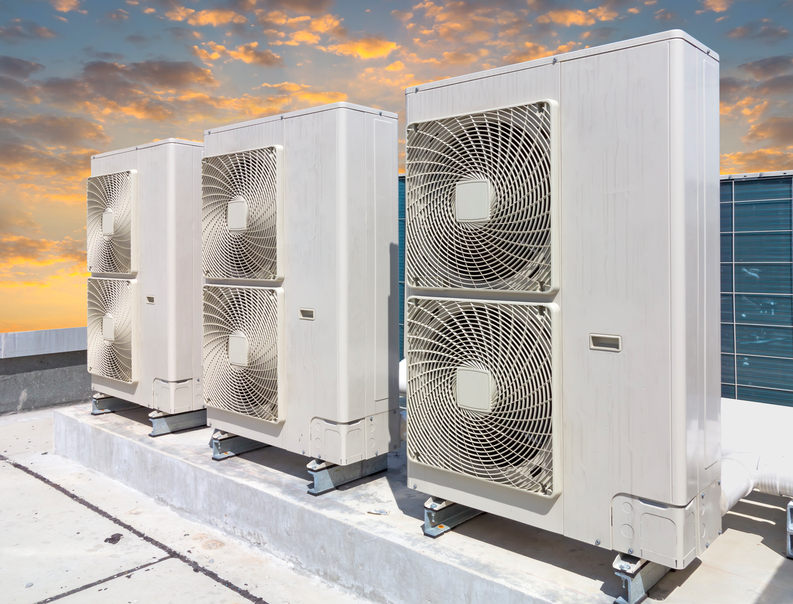
This online engineering course provides necessary information to understand the principles and theory of refrigeration, the components of mechanical refrigeration systems, and the types of refrigerants and associated equipment. This course also discusses the methods used for installing, maintaining, and repairing refrigeration equipment, including domestic refrigerators and freezers.
Refrigeration is the process of removing heat from an area or a substance. It is usually done by an artificial means of lowering the temperature, such as by the use of ice or mechanical refrigeration, which is a mechanical system or apparatus, designed and constructed to transfer heat from one substance to another.
This 8 PDH online course is intended for HVACR, mechanical and industrial engineers, manufacturers, maintenance staff, and others seeking a basic understanding of refrigeration systems.
This PE continuing education course is intended to provide you with the following specific knowledge and skills:
- Understanding the physics behind heat and refrigeration
- Learning about the refrigeration cycle and its different mechanical components
- Familiarizing with the different types of refrigerants
- Understanding the safety precautions associated with refrigerants
- Familiarizing with the different types of refrigerant equipment
- Understanding the installation procedures for refrigerant equipment
- Learning about the maintenance, service, and repair procedures associated with refrigerant equipment
Upon successful completion of the quiz, print your Certificate of Completion instantly. (Note: if you are paying by check or money order, you will be able to print it after we receive your payment.) For your convenience, we will also email it to you. Please note that you can log in to your account at any time to access and print your Certificate of Completion.
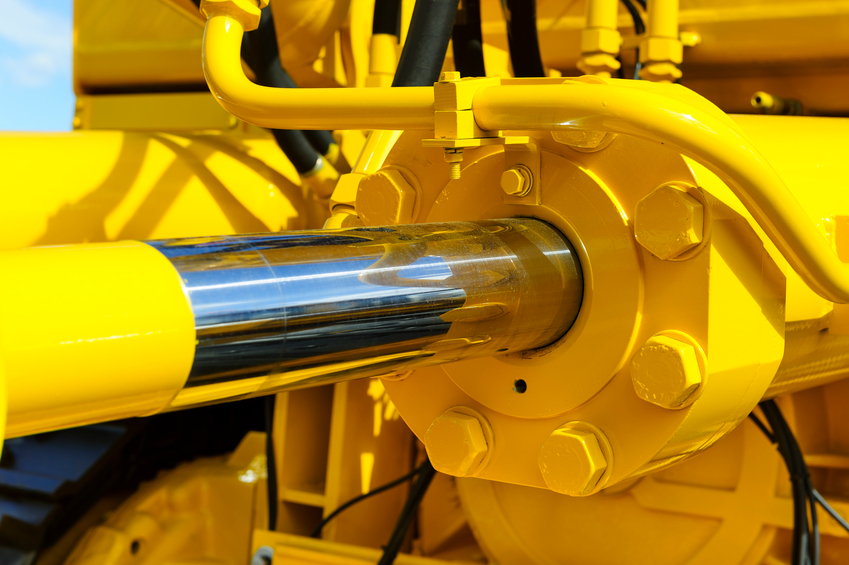
This online engineering course presents the basic principles of hydraulics and pneumatics along with their various components followed by discussing the maintenance procedures associated with these systems.
In automotive and construction equipment, the terms “hydraulic” and “pneumatic” describe a method of transmitting power from one place to another through the use of a liquid or a gas which obey certain physical laws and principles discussed in this course.
This 4 PDH online course is intended for mechanical and industrial engineers, as well as other technical professionals interested in gaining a better understanding of the principles of hydraulic and pneumatics systems.
This PE continuing education course is intended to provide you with the following specific knowledge and skills:
- Understanding the operating principles of hydraulic systems
- Identifying operation characteristics, component functions, and maintenance procedures of a hydraulic system
- Understanding the operating principles of pneumatic systems
- Identifying operational characteristics and service procedures applicable to heavy-duty compressors
Upon successful completion of the quiz, print your Certificate of Completion instantly. (Note: if you are paying by check or money order, you will be able to print it after we receive your payment.) For your convenience, we will also email it to you. Please note that you can log in to your account at any time to access and print your Certificate of Completion.
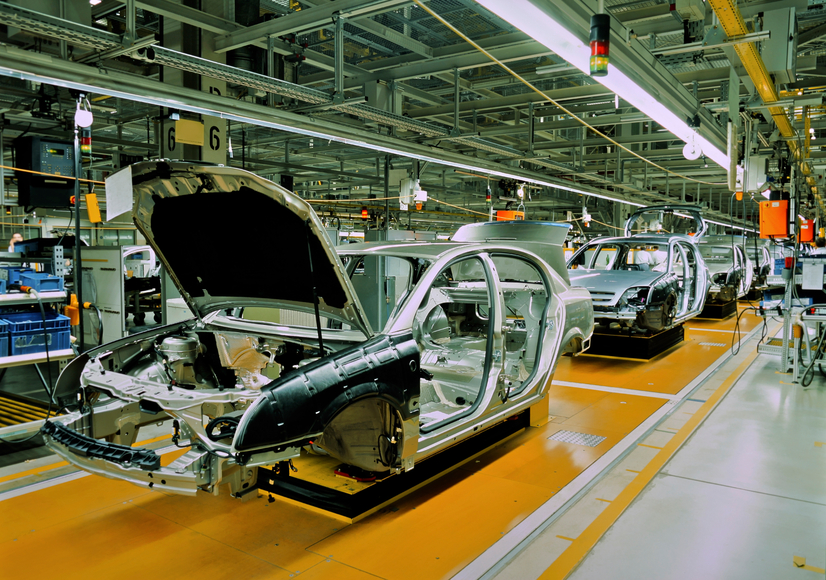
This online engineering course presents the operational principles and basic mechanisms of the internal combustion engine.
The power of an internal combustion engine comes from burning a mixture of fuel and air in a small, enclosed space. When this mixture burns, it expands significantly; building pressure that pushes the piston down, in turn rotating the crankshaft. Eventually, this motion is transferred through the transmission and out to the drive wheels to move the vehicle.
The automobile is a familiar object to all of us. The engine that moves it is one of the most fascinating and talked about of all the complex machines we use today. This machine is what we call the internal combustion engine.
This 3 PDH online course is intended for mechanical and industrial engineers, designers, manufacturers and anyone interested in gaining a better understanding of the basics of an internal combustion engine.
This PE continuing education course is intended to provide you with the following specific knowledge and skills:
- Understanding the principles of operation, the different classifications, the measurements and performance standards of an internal combustion engine
- Identifying the series of events /cycles in a gasoline engine
- Identifying the series of events /cycles in a diesel engine
- Understanding the differences between a four-stroke cycle engine and a two-stroke cycle engine
- Recognizing the differences in the types, cylinder arrangements, and valve arrangements of internal combustion engines
- Identifying the terms, engine measurements, and performance standards of an internal combustion engine
Upon successful completion of the quiz, print your Certificate of Completion instantly. (Note: if you are paying by check or money order, you will be able to print it after we receive your payment.) For your convenience, we will also email it to you. Please note that you can log in to your account at any time to access and print your Certificate of Completion.
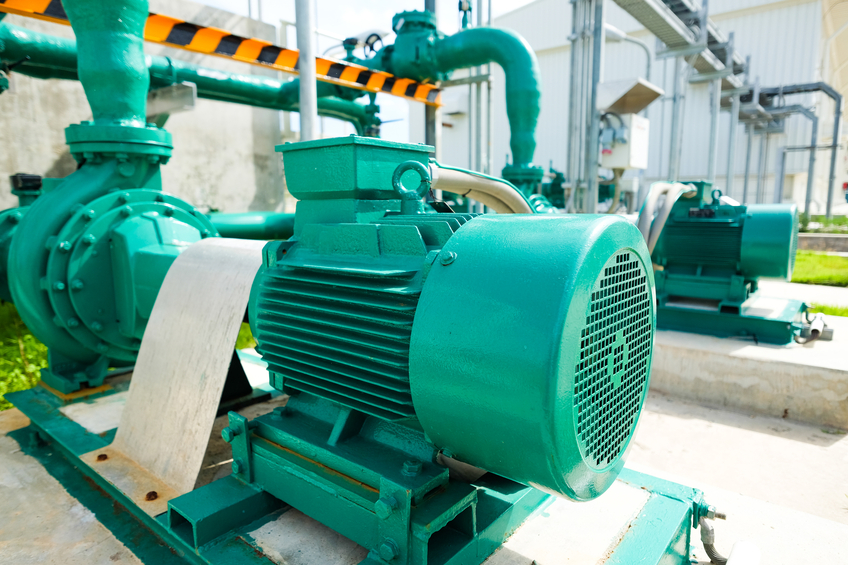
This online engineering PDH course explains the operation of centrifugal and positive displacement pumps. In general a pump is a mechanical device that is used to raise the flow of a fluid from one elevation to the other by increasing the pressure of the fluid.
Centrifugal pumps use a centripetal force, which is defined as the action that causes the fluid to move away from its center of rotation. Where as positive displacement pumps physically entrap a quantity of liquid at the suction of the pump and push that quantity out the discharge of the pump.
This 3 PDH online course is applicable to mechanical engineers, plant operators, maintenance personnel, and technical staff who are interested in gaining a better understanding centrifugal and displacement pump design and operation.
This PE continuing education course is intended to provide you with the following specific knowledge and skills:
- Learning the principle of operation of centrifugal and positive displacement pumps
- Learning the types and components of centrifugal and positive displacement pumps
- Understanding cavitation and cavitation prevention measures
- Performing Net Positive Suction Head calculations
- Understanding the characteristic curves of centrifugal and positive displacement pumps
- Understanding the protection methods of centrifugal and positive displacement pumps
In this professional engineering CEU course, you need to review DOE-HDBK-1018/1-93, Volume 1, Module 3 of Mechanical Science" published by the Department of Energy.
Upon successful completion of the quiz, print your Certificate of Completion instantly. (Note: if you are paying by check or money order, you will be able to print it after we receive your payment.) For your convenience, we will also email it to you. Please note that you can log in to your account at any time to access and print your Certificate of Completion.

This online engineering PDH course provides a comprehensive overview of methods to find the true cost of steam.
In industrial manufacturing facilities, process heating accounts for an average of more than 60% of thermal energy use, predominantly in the form of steam. Process heating also accounts for a significant portion of controllable operating costs. It is one of the few areas of opportunity where management can reduce operating costs and improve profits. This course examines different methods to calculate the cost of steam and compares the results showing how the model method is a recommended approach.
This 1 PDH online course is applicable to industrial engineers, plant engineers and other technical professionals who are interested in learning more about how to calculate the true cost of steam.
This PE continuing education course is intended to provide you with the following specific knowledge and skills:
- Familiarizing with the basics of steam cost generation
- Understanding different ways to find the cost of steam generation
- Learning about simulation models to calculate the steam cost
- Understanding the methodology for marginal steam pricing
Upon successful completion of the quiz, print your Certificate of Completion instantly. (Note: if you are paying by check or money order, you will be able to print it after we receive your payment.) For your convenience, we will also email it to you. Please note that you can log in to your account at any time to access and print your Certificate of Completion.

In this online engineering PDH course, ten case studies of actual enforcement actions taken by a state licensing board are presented. The cases have been selected to be representative of situations likely to exist in many states. Board procedures and the types of enforcement actions available are shown by a variety of cases ranging from a geotechnical engineer who produced (within one hour and without visiting the site) a soils report, to an engineer who was unable to document his PDH's during a board audit. The importance of being very careful about when to put "P.E." after one's name on a document also will become apparent.
Codes of ethics for engineers typically describe standards for professional behavior. The enforcement of those ethical standards that are inscribed into law lies with the licensing boards of state governments.
This 1 PDH online course is intended primarily for all engineers seeking to deepen their understanding of what constitutes ethical and professional engineering behavior and how such behavior is enforced by the licensing board.
This PE continuing education course is intended to provide you with the following specific knowledge and skills:
-
Familiarizing with the format of enforcement decrees issued by a state licensing board
-
Knowing the ten different types of licensing violations
-
Understanding the investigative process of the board, as it attempts to determine the validity of complaints brought before it
-
Learning about the types of enforcement actions available to the board
In this professional engineering CEU course, you need to review the course document titled, "Ethics, Professionalism and Disciplinary Actions: Case Studies".
Upon successful completion of the quiz, print your Certificate of Completion instantly. (Note: if you are paying by check or money order, you will be able to print it after we receive your payment.) For your convenience, we will also email it to you. Please note that you can log in to your account at any time to access and print your Certificate of Completion.