

Delaware Energy Efficiency and Ethics 24 PDH Discount Package 1
Types of Renewable Energy (R04-015)
A Guide to Leak Detection and Repair (M02-062)
Water Efficiency Management Guide for Mechanical Systems (M02-055)
Hydrogen and Fuel Cells (R08-003)
Small Wind Electric Systems to Power Your Home (R03-017)
Engineering Ethics for Delaware Professional Engineers (DE2-001)

This online engineering PDH course provides Licensed Professionals (LPs) with step-by-step instructions on how to correctly verify the reported data of applications and assess indoor environmental quality of U.S. buildings.
Energy use in commercial buildings accounts for nearly 20% of U.S. greenhouse gas emissions at a cost of more than $100 billion per year. Through ENERGY STAR®, the United States Environmental Protection Agency (EPA) works with owners and managers of our nation’s commercial buildings to help them strategically manage their facilities’ energy performance, cut energy use, lower utility bills, and reduce greenhouse gas emissions.
More than a dozen types of commercial buildings can earn EPA’s mark of superior energy efficiency – the ENERGY STAR, which is recognized by 90% of American consumers. Commercial buildings that earn the ENERGY STAR must perform in the top 25% of buildings nationwide compared to similar buildings, and their performance must be verified by a licensed professional.
The role of the LP is to verify that all energy use is accounted for accurately, the building characteristics have been properly reported, and indoor environmental quality has not been compromised in pursuit of energy conservation. By verifying the completeness and correctness of the application submitted to the EPA, the LP helps to ensure the integrity of the ENERGY STAR certification.
This 3 PDH online course is applicable to professional engineers who are interested in learning about the verification process of commercial building applications for the ENERGY STAR® certification.
This PE continuing education course is intended to provide you with the following specific knowledge and skills:
- Gaining an overview of energy use in commercial buildings in the U.S. as well as EPA’s mark of superior energy efficiency
- Familiarizing with the eligibility criteria for individuals verifying the applications for ENERGY STAR
- Learning about the different stages of the ENERGY STAR application process
- Understanding the detailed process by which the LP should verify the accuracy of each element on the application
M03-053 - APPENDIX A - INDOOR ENVIRONMENTAL QUALITY MEASUREMENT FORM FOR ENERGY STAR (1.2 MB)
Upon successful completion of the quiz, print your Certificate of Completion instantly. (Note: if you are paying by check or money order, you will be able to print it after we receive your payment.) For your convenience, we will also email it to you. Please note that you can log in to your account at any time to access and print your Certificate of Completion.

This online engineering PDH course provides an overview of the different types of renewable energy systems and their benefits.
Renewable energy is energy produced from sources like the sun and wind that are naturally replenished and do not run out. It can be used for electricity generation, space and water heating and cooling, and transportation. Non-renewable energy, in contrast, comes from finite sources that could get used up, such as fossil fuels like coal and oil. The advantages of renewable energy are numerous and affect the economy, environment, national security, and human health. The United States is a resource-rich country with abundant renewable energy resources. Renewable energy generates about 20% of all U.S. electricity, and that percentage continues to grow.
This 4 PDH online course is applicable to energy engineers and other professionals who are interested in learning more about different renewable energy systems and their benefits.
This PE continuing education course is intended to provide you with the following specific knowledge and skills:
- Familiarizing with the benefits of renewable energy
- Understanding the different types of renewable energy
- Learning the current state of renewable energy in the U.S.
- Gaining an overview of how each type of renewable energy works
Upon successful completion of the quiz, print your Certificate of Completion instantly. (Note: if you are paying by check or money order, you will be able to print it after we receive your payment.) For your convenience, we will also email it to you. Please note that you can log in to your account at any time to access and print your Certificate of Completion.

This online engineering PDH course provides basic information on detecting and regulating equipment leaks and providing repair solutions.
EPA has determined that leaking equipment, such as valves, pumps, and connectors, are the largest source of emissions of volatile organic compounds (VOCs) and volatile hazardous air pollutants (VHAPs) from petroleum refineries and chemical manufacturing facilities. The Agency has estimated that approximately 70,367 tons per year of VOCs and 9,357 tons per year of HAPs have been emitted from equipment leaks. Emissions from equipment leaks exceed emissions from storage vessels, wastewater, transfer operations, or process vent.
This course identifies some of the problems identified with LDAR (Leak Detection And Repair) programs focusing on Method 21 requirements and will describe the practices that can be used to increase the effectiveness of an LDAR program. Some of the elements of a model LDAR program are required by current Federal regulations and other model LDAR program elements help ensure continuous compliance although they may not be mandated from a regulatory standpoint. Prior to developing a written LDAR program plan, all applicable regulations should be reviewed to determine and ensure compliance with the most stringent requirements.
This 2 PDH online course is applicable to environmental engineers, as well as other technical professionals who are interested in learning about leak detection and repair.
This PE continuing education course is intended to provide you with the following specific knowledge and skills:
- Familiarizing with the importance of regulating equipment leaks
- Familiarizing with the major elements of an LDAR program and its importance
- Understanding typical mistakes made when monitoring to detect leaks
- Learning about problems that occur from improper management of an LDAR program
- Exploring a set of best practices that can be used to implement effective an LDAR program
Upon successful completion of the quiz, print your Certificate of Completion instantly. (Note: if you are paying by check or money order, you will be able to print it after we receive your payment.) For your convenience, we will also email it to you. Please note that you can log in to your account at any time to access and print your Certificate of Completion.

This online engineering PDH course presents guidelines on how to reduce mechanical system water use in residential buildings. Mechanical systems are frequently utilized to provide heating and cooling for residential properties. They typically fall into two categories: centralized and decentralized systems.
Centralized mechanical systems provide heating and cooling from a central location, such as a mechanical room or utility penthouse. These systems are more common in mid- and high-rise multifamily properties and can include cooling towers, boilers, and steam systems, each of which uses water as the heat transfer medium. As a result, the use of water for building heating and cooling can be significant and using sound management practices is a good opportunity for water savings.
Decentralized mechanical systems treat each unit of a multifamily property as its own space, as if each unit were a stand-alone single-family residence. These systems do not typically use process water, so they are not the focus of this water efficiency management guide.
This 2 PDH online course is intended for mechanical, environmental and civil engineers, as well as other technical personnel who are interested in learning more about reducing water use in mechanical systems.
This PE continuing education course is intended to provide you with the following specific knowledge and skills:
- Understanding the basics principles behind single-pass cooling, cooling towers and boiler/steam systems
- Understanding mechanical system water use
- Familiarizing with the maintenance and best management practices
- Knowing the mechanical systems retrofit and replacement options
- Familiarizing with the water savings calculations and assumptions
Upon successful completion of the quiz, print your Certificate of Completion instantly. (Note: if you are paying by check or money order, you will be able to print it after we receive your payment.) For your convenience, we will also email it to you. Please note that you can log in to your account at any time to access and print your Certificate of Completion.
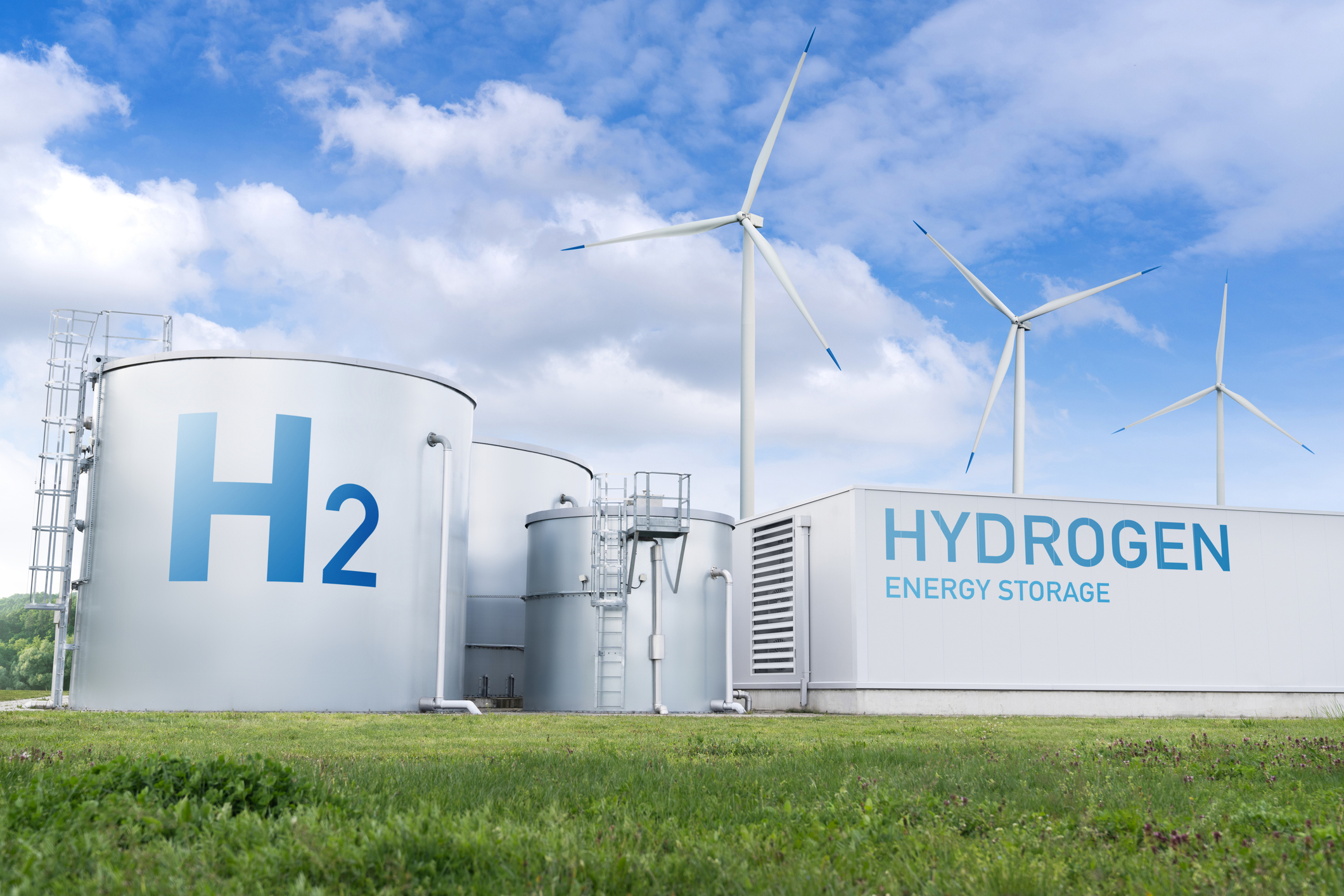
This online engineering PDH course offers a thorough introduction to hydrogen as a critical energy carrier for achieving a clean, sustainable energy future.
This course provides an overview of the science, technologies, and applications that enable hydrogen production, delivery, storage, and utilization in fuel cells. It introduces key concepts and examines both conventional and renewable production methods, including steam methane reforming, water electrolysis, and biological processes. Additionally, it explores advanced storage solutions such as compressed gas and metal hydrides, along with logistical considerations for hydrogen delivery using pipelines, tube trailers, and cryogenic transport.
Furthermore, this course delves into the operation and applications of fuel cells, focusing on Polymer Electrolyte Membrane (PEM) fuel cells commonly used in vehicles. It highlights the role of the Hydrogen and Fuel Cell Technologies Office (HFTO) and initiatives like H2@Scale, which aim to address various technological, economic, and institutional challenges.
This 8 PDH online course is applicable to energy engineers and other technical professionals interested in understanding the role of hydrogen in the transition to net-zero emissions.
This PE continuing education course is intended to provide you with the following specific knowledge and skills:
- Explaining the role of hydrogen and fuel cell technologies in achieving global net-zero emissions targets
- Describing key hydrogen production methods, including steam methane reforming, electrolysis with renewable energy, and biological processes
- Analyzing challenges and solutions in hydrogen delivery, covering pipelines, tube trailers, cryogenic transport, and compression systems
- Familiarizing with hydrogen storage technologies such as compressed gas, liquid hydrogen, and advanced materials like metal hydrides
- Understanding the principles and operation of fuel cells, with emphasis on Polymer Electrolyte Membrane (PEM) fuel cells
- Discussing technical, economic, and institutional barriers to hydrogen deployment and identify strategies to overcome them
- Assessing current innovations and emerging technologies in the hydrogen energy sector
Upon successful completion of the quiz, print your Certificate of Completion instantly. (Note: if you are paying by check or money order, you will be able to print it after we receive your payment.) For your convenience, we will also email it to you. Please note that you can log in to your account at any time to access and print your Certificate of Completion.

This online engineering PDH course provides basic information about small wind electric systems to help you decide if wind energy will work for you.
Wind is created by the unequal heating of the Earth's surface by the sun. Wind turbines convert the kinetic energy in wind into mechanical power that runs a generator to produce clean electricity.
Can I use wind energy to power my home? More people across the country are asking this question as they look for a hedge against increasing electricity rates and a way to harvest their local wind resources. Although wind turbines large enough to provide a significant portion of the electricity needed by the average U.S. home generally require 1 acre of property or more, approximately 19.3% of the U.S. population lives in rural areas and may own land parcels large enough to accommodate a wind energy system.
This 3 PDH online course is applicable to electrical and mechanical engineers and energy professionals who are interested in learning more about small wind electric systems.
This PE continuing education course is intended to provide you with the following specific knowledge and skills:
- Familiarizing with wind energy, terminology, and basic principles of wind turbines
- Understanding the different ways to make a home more energy efficient
- Understanding how and when small wind energy systems provide a practical and economical source of electricity
- Learning about the size of wind turbines required for specific applications
- Learning about the basic parts of a small wind electric system
- Knowing where to find certified small wind turbines, as well as installation and maintenance support
- Calculating how much energy a wind electric system will generate
- Gaining a general overview of hybrid wind energy systems
Upon successful completion of the quiz, print your Certificate of Completion instantly. (Note: if you are paying by check or money order, you will be able to print it after we receive your payment.) For your convenience, we will also email it to you. Please note that you can log in to your account at any time to access and print your Certificate of Completion.

This online engineering PDH course presents the laws of professional responsibility governing the practice of engineering in the State of Delaware, as well as the Delaware engineering code of ethics as follows:
- Delaware Professional Engineers' Act: Title 24, Chapter 28
- Delaware Engineering Code of Ethics
Engineering ethics is (1) the study of moral issues and decisions confronting individuals and organizations involved in engineering and (2) the study of related questions about moral conduct, character, ideals and relationships of peoples and organizations involved in technological development (Martin and Schinzinger, Ethics in Engineering).
This 2 PDH online course is applicable to Professional Engineers licensed in the State of Delaware and who are required to demonstrate continuing professional competency in engineering ethics as a condition of their license renewal.
Every licensee is required to obtain the equivalent of 12 PDHs per year (or 24 PDHs obtained anytime during the renewal period). Of the 24 PDHs earned during the biennial renewal period: no less than 2 PDH and no more than 6 PDH shall be related to professional ethics, and no more than 9 PDH shall be related to business or project management. The balance shall be related to the licensee’s area of technical practice.
This PE continuing education course is intended to provide you with the following specific knowledge and skills:
- Understanding the statutory laws regulating the practice of engineering in the State of Delaware and their application to professional engineers
- Understanding the Delaware Engineering Code of Ethics promulgated by the Council of the DAPE to safeguard life, health and property and promote public welfare
- Learning about the engineering rules of professional responsibility and ethical conduct as well as understanding the basic obligations of the engineer
- Understanding the Delaware disciplinary process and the range of violations and corresponding penalties imposed by DAPE
Upon successful completion of the quiz, print your Certificate of Completion instantly. (Note: if you are paying by check or money order, you will be able to print it after we receive your payment.) For your convenience, we will also email it to you. Please note that you can log in to your account at any time to access and print your Certificate of Completion.