

Delaware Chemical and Ethics 24 PDH Discount Package 1
Hazards of Chemicals and Gases (H05-002)
Chemical Safety for Sustainability (H05-005)
Algal Indicators in Streams (H03-007)
Chemical Hazard Classification Process (H02-009)
Chemical Transformation Simulator (H02-013)
Engineering Ethics for Delaware Professional Engineers (DE2-001)

This online engineering PDH course addresses the basics of chemistry. It introduces concepts on the atomic structure of matter. It also discusses the periodic table and the significance of the information in a periodic table. Furthermore, it explains chemical bonding, the laws of chemistry, and chemical equations.
This 5 PDH online course is applicable to chemical and environmental engineers, design and construction personnel, technical staff and facility operators who are interested in gaining a better understanding of the basics of chemistry.
This PE continuing education course is intended to provide you with the following specific knowledge and skills:
- Characteristics of atoms
- The periodic table
- Chemical bonding
- Chemical equations
- Acids, bases, salts and pH
In this professional engineering CEU course, you need to review Module 1, "Fundamentals of Chemistry" of the Department of Energy Publication DOE-HDBK-1015/1-93, "Chemistry".
Upon successful completion of the quiz, print your Certificate of Completion instantly. (Note: if you are paying by check or money order, you will be able to print it after we receive your payment.) For your convenience, we will also email it to you. Please note that you can log in to your account at any time to access and print your Certificate of Completion.
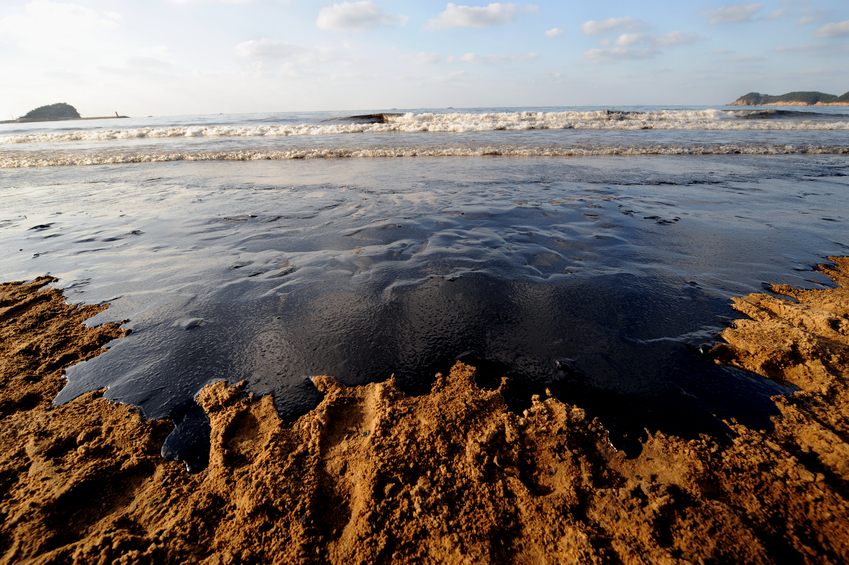
This online engineering PDH course explains why certain chemicals are considered hazardous to personnel working in facilities containing such chemicals. It also provides an overview of handling chemicals as well as provides resources of information about these chemicals.
The various chemicals found in our industry as well as the home are useful when properly applied. If the user is uninformed about correct applications, storage, and potential hazards, these chemicals can become threats to our safety.
This 5 PDH online course is applicable to chemical and environmental engineers, design and construction personnel, technical staff and facility operators who are interested in gaining a better understanding of the hazards of chemicals and gases.
This PE continuing education course is intended to provide you with the following specific knowledge and skills:
- Corrosives
- Toxic compounds
- Compressed gases
- Flammable and combustible liquids
In this professional engineering CEU course, you need to review Module 5, "Hazards of Chemicals and Gases" of the Department of Energy Publication DOE-HDBK-1015/1-93, "Chemistry".
Upon successful completion of the quiz, print your Certificate of Completion instantly. (Note: if you are paying by check or money order, you will be able to print it after we receive your payment.) For your convenience, we will also email it to you. Please note that you can log in to your account at any time to access and print your Certificate of Completion.
This online engineering PDH course provides an overview of the new strategic plan developed by the U.S. Environmental Protection Agency (EPA) with regard to chemical safety.
The EPA’s Chemical Safety for Sustainability (CSS) National Research Program is focused on addressing the pressing environmental and health challenge of a lack of sufficient information on chemicals needed to make informed, risk-based decisions.
The impetus for the program is to meet the shared health and environmental protection goals of the Agency’s program and regional offices, states, and Tribes while performing transformative research, leading to improved science-based approaches that build broader understanding of biology, chemical toxicity, and exposure.
This 5 PDH online course is applicable to chemical and environmental engineers, as well technical staff and facility operators who are interested in gaining a better understanding of chemical safety.
This PE continuing education course is intended to provide you with the following specific knowledge and skills:
- Familiarizing with the CSS NRP Strategic Research Action Plan (StRAP)
- Knowing the vision and direction behind the program
- Understanding the different research topics and research areas of CSS research program
- Learning the possible methods of implementing the StRAP
- Familiarizing with the cross-cutting research priorities
Upon successful completion of the quiz, print your Certificate of Completion instantly. (Note: if you are paying by check or money order, you will be able to print it after we receive your payment.) For your convenience, we will also email it to you. Please note that you can log in to your account at any time to access and print your Certificate of Completion.
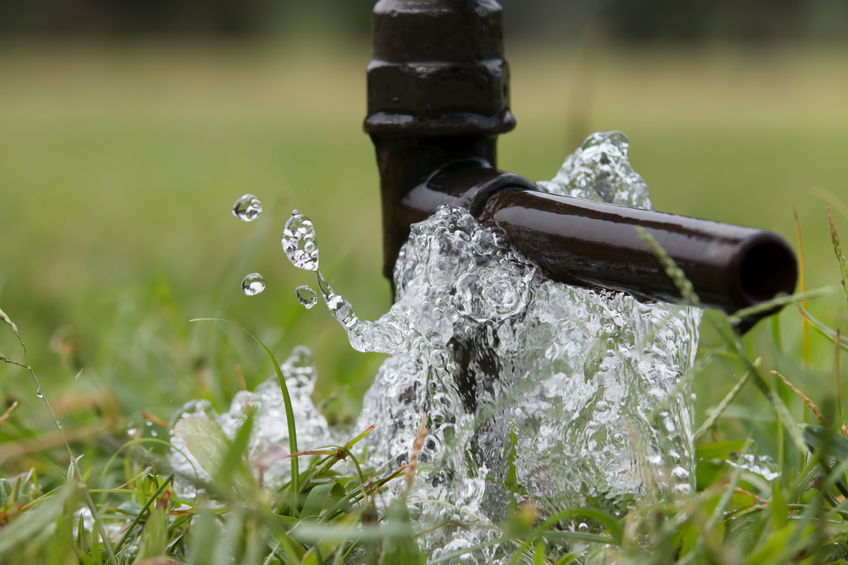
This online engineering PDH course summarizes the application of algae as indicators of nutrient pollution in water quality management. It describes the use of algal indicators to develop water quality diagnostics for nutrient pollution in the United States (U.S.) and then reviews scientific developments in the use and application of algal indicators across the world.
Algae are ubiquitous and essential components of all stream ecosystems. They are the primary energetic source for many stream food webs, fixing carbon from the atmosphere through photosynthesis, which is then transmitted through the web via consumer pathways.
Algae have a long history of use and possess many of the features valued in ecological indicators. They were part of the early saprobien indicator system development in Germany and were one of the first assemblages developed for use in biological assessment in the United States.
This 3 PDH online course is intended for chemical and environmental engineers and water quality professionals who are seeking to utilize algae to detect the presence of nutrient pollution and to estimate the risks of nutrient pollution in adversely affecting the condition of stream ecosystems.
This PE continuing education course is intended to provide you with the following specific knowledge and skills:
- Gaining general background information on algae
- Familiarizing with the current algal sampling programs in the United States
- Learning about the research on algal assessment and indicator using in streams
- Identifying the quantitative and qualitative algal application methods
Upon successful completion of the quiz, print your Certificate of Completion instantly. (Note: if you are paying by check or money order, you will be able to print it after we receive your payment.) For your convenience, we will also email it to you. Please note that you can log in to your account at any time to access and print your Certificate of Completion.
This online engineering PDH course addresses the identification of the chemicals to be classified; explains the process of data collection and describes the process and information needed for data analysis. Furthermore, this course presents information on the rationale used to develop the classification of the various hazards.
OSHA's Hazard Communication Standard (HCS) is designed to protect against chemical-source injuries and illnesses by ensuring that employers and workers are provided with sufficient information to anticipate, recognize, evaluate, and control chemical hazards and take appropriate protective measures. The purpose of the Hazard Communication Standard is to ensure that the hazards of all chemicals produced or imported are classified, and that the information on the hazardous chemicals is transmitted to employers and workers.
The 2 PDH online course is intended for chemical manufacturers and distributors, employers, engineers, physicians, construction workers, and all other personnel who are interested in learning more about chemical hazard classification process.
This PE continuing education course is intended to provide you with the following specific knowledge and skills:
- Learning how to identify the chemicals to be classified
- Understanding the data collection process
- Learning how to analyze the data or findings
- Knowing how to record the findings
Upon successful completion of the quiz, print your Certificate of Completion instantly. (Note: if you are paying by check or money order, you will be able to print it after we receive your payment.) For your convenience, we will also email it to you. Please note that you can log in to your account at any time to access and print your Certificate of Completion.
This online engineering PDH course provides a guide for users on how to utilize the Chemical Transformation Simulator (CTS) tool.
The Chemical Transformation Simulator (CTS) provides the calculated physicochemical properties of a target chemical and its transformation products, which are predicted as a function of the reaction system of interest. This is accomplished through the integration of cheminformatics applications for the encoding of process science underlying transformation pathways and computational chemistry tools for the calculation of physicochemical properties.
This 2 PDH online course is applicable to chemical and environmental engineers, as well as other professionals interested in knowing how to use the CTS tool.
This PE continuing education course is intended to provide you with the following specific knowledge and skills:
- Familiarizing with the CTS tool and its restrictions
- Understanding the different CTS modules
- Learning how to execute the different CTS workflows
- Knowing how to generate reports
Upon successful completion of the quiz, print your Certificate of Completion instantly. (Note: if you are paying by check or money order, you will be able to print it after we receive your payment.) For your convenience, we will also email it to you. Please note that you can log in to your account at any time to access and print your Certificate of Completion.

This online engineering PDH course presents the laws of professional responsibility governing the practice of engineering in the State of Delaware, as well as the Delaware engineering code of ethics as follows:
- Delaware Professional Engineers' Act: Title 24, Chapter 28
- Delaware Engineering Code of Ethics
Engineering ethics is (1) the study of moral issues and decisions confronting individuals and organizations involved in engineering and (2) the study of related questions about moral conduct, character, ideals and relationships of peoples and organizations involved in technological development (Martin and Schinzinger, Ethics in Engineering).
This 2 PDH online course is applicable to Professional Engineers licensed in the State of Delaware and who are required to demonstrate continuing professional competency in engineering ethics as a condition of their license renewal.
Every licensee is required to obtain the equivalent of 12 PDHs per year (or 24 PDHs obtained anytime during the renewal period). Of the 24 PDHs earned during the biennial renewal period: no less than 2 PDH and no more than 6 PDH shall be related to professional ethics, and no more than 9 PDH shall be related to business or project management. The balance shall be related to the licensee’s area of technical practice.
This PE continuing education course is intended to provide you with the following specific knowledge and skills:
- Understanding the statutory laws regulating the practice of engineering in the State of Delaware and their application to professional engineers
- Understanding the Delaware Engineering Code of Ethics promulgated by the Council of the DAPE to safeguard life, health and property and promote public welfare
- Learning about the engineering rules of professional responsibility and ethical conduct as well as understanding the basic obligations of the engineer
- Understanding the Delaware disciplinary process and the range of violations and corresponding penalties imposed by DAPE
Upon successful completion of the quiz, print your Certificate of Completion instantly. (Note: if you are paying by check or money order, you will be able to print it after we receive your payment.) For your convenience, we will also email it to you. Please note that you can log in to your account at any time to access and print your Certificate of Completion.