

Texas Mechanical and Ethics 15 PDH Discount Package 4
Boiler Basics, Operation and Maintenance (M08-009)
Plumbing Valves and Accessories (M02-066)
General Principles of Engineering Ethics (LE2-016)
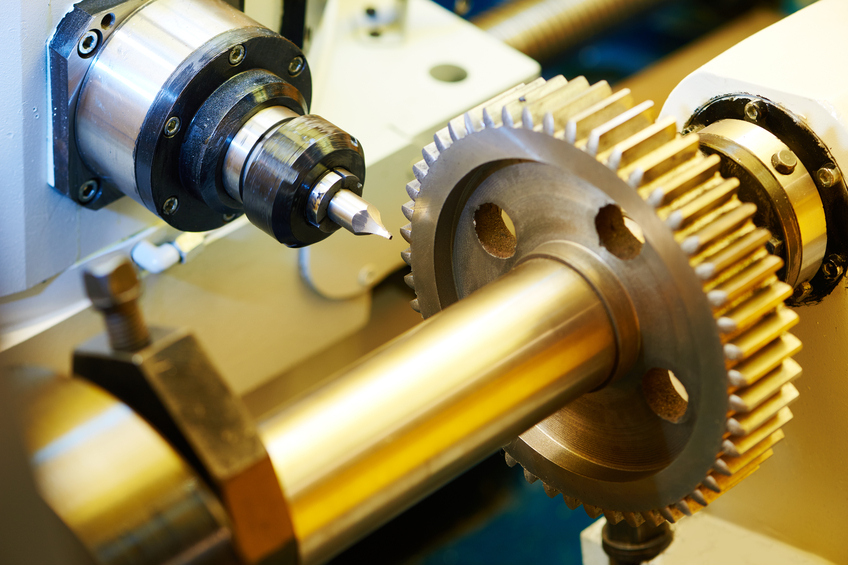
This online engineering PDH course presents the basics of modern mechanics developed by Sir Isaac Newton in the late seventeenth century. This course describes the effect of static and dynamic forces on objects and includes a discussion of the forces commonly encountered in daily life. Also this course defines energy, work and power; identifies their various forms; and discusses the conservation of energy, work, and power including the measurement and calculation of each.
This 3 PDH online course is applicable to mechanical and civil engineers, facility and maintenance personnel, and other technical staff who are interested in understanding the principles of engineering mechanics.
This PE continuing education course is intended to provide you with the following specific knowledge and skills:
- Understanding Newton's Law of motion
- Learning the Principles of Momentum
- Understanding the applications of Newton's Law including force and weight, free body diagrams, forces of equilibrium, and types of forces
- Learning the principles of Energy, Work and Power
- Understanding the Law of Conservation of Energy
In this professional engineering CEU course, you need to review Modules 3, 4 and 5 of the Department of Energy Publication DOE-HDBK-1010-92, "Classical Physics" published by the Department of Energy.
Upon successful completion of the quiz, print your Certificate of Completion instantly. (Note: if you are paying by check or money order, you will be able to print it after we receive your payment.) For your convenience, we will also email it to you. Please note that you can log in to your account at any time to access and print your Certificate of Completion.
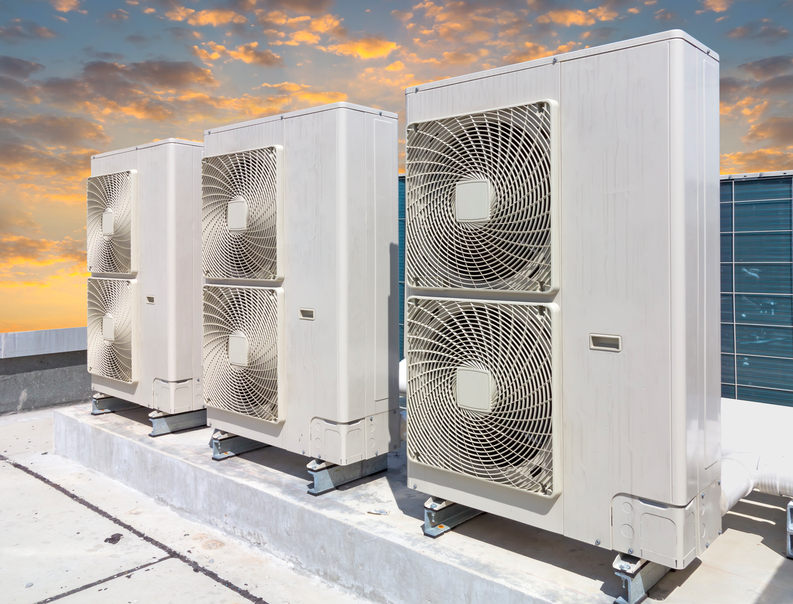
This online engineering PDH course provides information on steam generation, types of boilers pertinent to engineering operations, and the various fittings and components commonly found on boilers.
The boiler is an enclosed vessel in which water is heated and circulated, either as hot water or steam, to produce a source for either heat or power. A central heating plant may have one or more boilers that use gas, oil, or coal as fuel. The steam generated is used to heat buildings, provide hot water, and provide steam for cleaning, sterilizing, cooking, and laundering operations. Small package boilers also provide steam and hot water for small buildings.
A boiler must also meet certain requirements before it is considered satisfactory for operation. The boiler must be safe and economical to operate, and it must be able to generate steam at the desired rate and pressure.
This 8 PDH online course is applicable to mechanical engineers and professionals who are interested in learning more about the operation, maintenance, and repair of boilers used in various engineering applications.
This PE continuing education course is intended to provide you with the following specific knowledge and skills:
- Familiarizing with the steam generation theory
- Understanding boiler design requirements
- Learning about the different types of boilers, their fittings and accessories
- Identifying the automatic controls associated with boilers
- Learning about the different types of instruments and meters
- Knowing the procedures associated with boiler water treatment and cleaning
- Gaining an overview of the procedures associated with boiler maintenance
Upon successful completion of the quiz, print your Certificate of Completion instantly. (Note: if you are paying by check or money order, you will be able to print it after we receive your payment.) For your convenience, we will also email it to you. Please note that you can log in to your account at any time to access and print your Certificate of Completion.
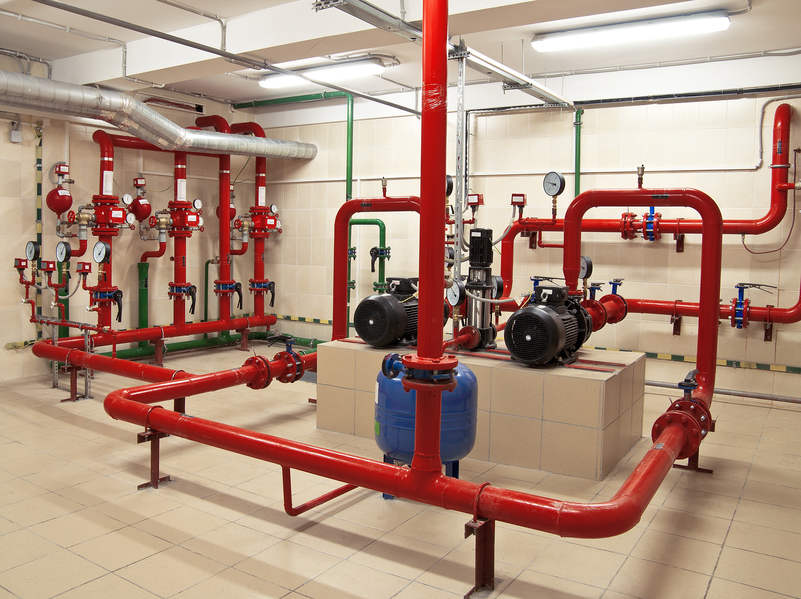
This online engineering PDH course offers an overview of the various valves and accessories utilized in plumbing and piping systems.
The course covers the different types, uses, and applications of key valves found in plumbing systems, including gate valves, butterfly valves, ball valves, and others. It also addresses water meters, the types of insulation used in piping systems, and additional accessories. Moreover, the course includes a brief discussion on maintenance and repair recommendations for valves.
This 2 PDH online course is suitable for mechanical and plumbing engineers, as well as other technical professionals looking to expand their knowledge of plumbing valves and their related accessories.
This PE continuing education course is intended to provide you with the following specific knowledge and skills:
- Learning about the various types of plumbing valves, including their specific uses and applications
- Familiarizing with the maintenance and repair requirements of plumbing valves
- Learning about the different water meter types, particularly the nutating disk volume meter, and their applications
- Understading the different types of insulation used in piping systems
Upon successful completion of the quiz, print your Certificate of Completion instantly. (Note: if you are paying by check or money order, you will be able to print it after we receive your payment.) For your convenience, we will also email it to you. Please note that you can log in to your account at any time to access and print your Certificate of Completion.

This online engineering PDH course presents the principles of engineering ethics that every engineer is expected to live by when practicing their profession.
Engineering ethics is (1) the study of moral issues and decisions confronting individuals and organizations involved in engineering and (2) the study of related questions about moral conduct, character, ideals and relationships of peoples and organizations involved in technological development (Martin and Schinzinger, Ethics in Engineering).
This course describes the fundamental legal concepts with which very engineer should be familiar. It also presents unique disciplinary case studies selected from across the nation, as well as hypothetical ethical challenges that demonstrate how difficult it can be to apply the code of ethics for engineers.
This 2 PDH online course is applicable to all professional engineers who are either required to fulfill 2 PDH in engineering ethics or are interested in broadening their understanding of what it means to practice and uphold the honor and integrity of their engineering profession while holding the utmost safety, health, and welfare of the public.
This PE continuing education course is intended to provide you with the following specific knowledge and skills:
- Understanding the common definition of ethics regarding engineering
- Learning about the important principles of the engineer’s professional responsibility
- Learning the do’s and don’ts through several ethical and disciplinary cases
- Understanding what it means to practise and uphold the honor and integrity of the engineering profession
Upon successful completion of the quiz, print your Certificate of Completion instantly. (Note: if you are paying by check or money order, you will be able to print it after we receive your payment.) For your convenience, we will also email it to you. Please note that you can log in to your account at any time to access and print your Certificate of Completion.