

North Dakota Chemical and Ethics 30 PDH Discount Package 1
Reactor Water Chemistry (H03-001)
Chemical Hazard Classification Process (H02-009)
Algal Indicators in Streams (H03-007)
CO2 Emission Reductions from Changes in Electricity Generation and Use (H11-001)
Chemical Safety for Sustainability (H05-005)
Ethics, Professionalism and Disciplinary Actions: Case Studies (LE1-003)

This online engineering PDH course addresses the basics of chemistry. It introduces concepts on the atomic structure of matter. It also discusses the periodic table and the significance of the information in a periodic table. Furthermore, it explains chemical bonding, the laws of chemistry, and chemical equations.
This 5 PDH online course is applicable to chemical and environmental engineers, design and construction personnel, technical staff and facility operators who are interested in gaining a better understanding of the basics of chemistry.
This PE continuing education course is intended to provide you with the following specific knowledge and skills:
- Characteristics of atoms
- The periodic table
- Chemical bonding
- Chemical equations
- Acids, bases, salts and pH
In this professional engineering CEU course, you need to review Module 1, "Fundamentals of Chemistry" of the Department of Energy Publication DOE-HDBK-1015/1-93, "Chemistry".
Upon successful completion of the quiz, print your Certificate of Completion instantly. (Note: if you are paying by check or money order, you will be able to print it after we receive your payment.) For your convenience, we will also email it to you. Please note that you can log in to your account at any time to access and print your Certificate of Completion.
This online engineering PDH course describes the chemical measures taken to retard the corrosion often found in water systems. It also addresses the consequences of radioactivity on facility cooling water systems.
Radiation synthesis is a process that takes place in the reactor coolant system. This phenomenon is limited to the reactor coolant system because of the high flux (radiation) levels that exist in the core region and further complicate chemistry control of the reactor plant.
This 3 PDH online course is applicable to chemical engineers, design and construction personnel, technical staff and facility operators who are interested in gaining a better understanding of the reactor water chemistry.
This PE continuing education course is intended to provide you with the following specific knowledge and skills:
- Understanding water chemistry parameters
- Understanding the effects of radiation on water chemistry
In this professional engineering CEU course, you need to review Module 3, "Reactor Water Chemistry" of the Department of Energy Publication DOE-HDBK-1015/1-93, "Chemistry".
Upon successful completion of the quiz, print your Certificate of Completion instantly. (Note: if you are paying by check or money order, you will be able to print it after we receive your payment.) For your convenience, we will also email it to you. Please note that you can log in to your account at any time to access and print your Certificate of Completion.
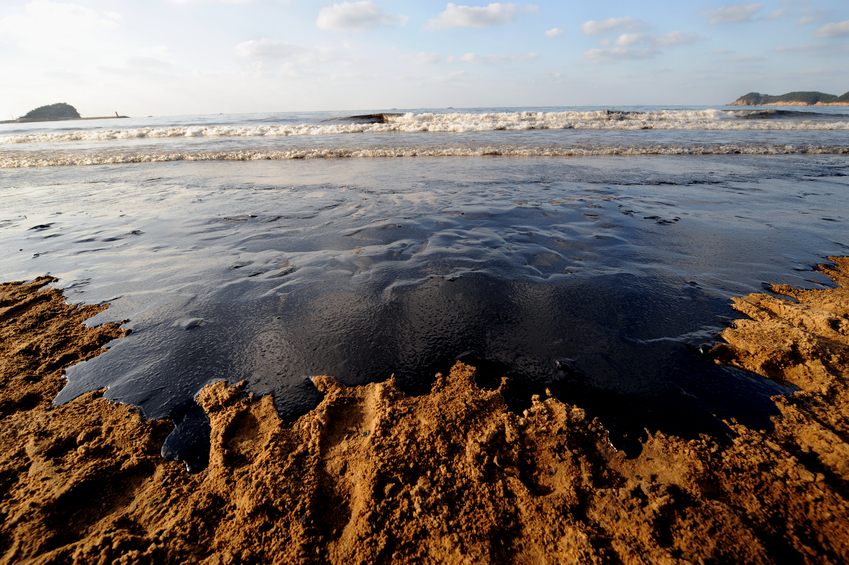
This online engineering PDH course addresses the identification of the chemicals to be classified; explains the process of data collection and describes the process and information needed for data analysis. Furthermore, this course presents information on the rationale used to develop the classification of the various hazards.
OSHA's Hazard Communication Standard (HCS) is designed to protect against chemical-source injuries and illnesses by ensuring that employers and workers are provided with sufficient information to anticipate, recognize, evaluate, and control chemical hazards and take appropriate protective measures. The purpose of the Hazard Communication Standard is to ensure that the hazards of all chemicals produced or imported are classified, and that the information on the hazardous chemicals is transmitted to employers and workers.
The 2 PDH online course is intended for chemical manufacturers and distributors, employers, engineers, physicians, construction workers, and all other personnel who are interested in learning more about chemical hazard classification process.
This PE continuing education course is intended to provide you with the following specific knowledge and skills:
- Learning how to identify the chemicals to be classified
- Understanding the data collection process
- Learning how to analyze the data or findings
- Knowing how to record the findings
Upon successful completion of the quiz, print your Certificate of Completion instantly. (Note: if you are paying by check or money order, you will be able to print it after we receive your payment.) For your convenience, we will also email it to you. Please note that you can log in to your account at any time to access and print your Certificate of Completion.
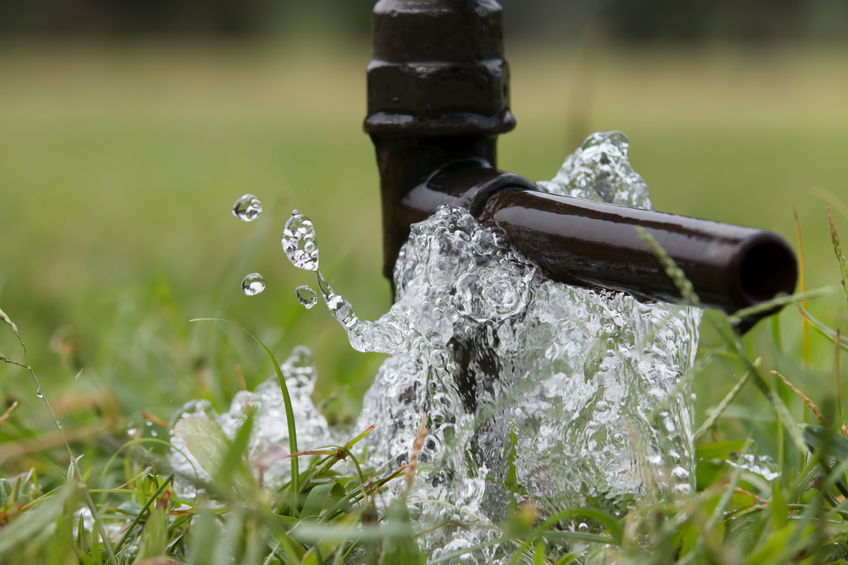
This online engineering PDH course summarizes the application of algae as indicators of nutrient pollution in water quality management. It describes the use of algal indicators to develop water quality diagnostics for nutrient pollution in the United States (U.S.) and then reviews scientific developments in the use and application of algal indicators across the world.
Algae are ubiquitous and essential components of all stream ecosystems. They are the primary energetic source for many stream food webs, fixing carbon from the atmosphere through photosynthesis, which is then transmitted through the web via consumer pathways.
Algae have a long history of use and possess many of the features valued in ecological indicators. They were part of the early saprobien indicator system development in Germany and were one of the first assemblages developed for use in biological assessment in the United States.
This 3 PDH online course is intended for chemical and environmental engineers and water quality professionals who are seeking to utilize algae to detect the presence of nutrient pollution and to estimate the risks of nutrient pollution in adversely affecting the condition of stream ecosystems.
This PE continuing education course is intended to provide you with the following specific knowledge and skills:
- Gaining general background information on algae
- Familiarizing with the current algal sampling programs in the United States
- Learning about the research on algal assessment and indicator using in streams
- Identifying the quantitative and qualitative algal application methods
Upon successful completion of the quiz, print your Certificate of Completion instantly. (Note: if you are paying by check or money order, you will be able to print it after we receive your payment.) For your convenience, we will also email it to you. Please note that you can log in to your account at any time to access and print your Certificate of Completion.

This online engineering PDH course provides an introspective look into reducing CO2 emissions through comprehensive multi-sector and electric models.
The Inflation Reduction Act of 2022 (IRA) represents a significant legislative commitment to transform energy production and consumption, reduce the risks of climate change, improve environmental quality, and simultaneously spur investments that create economic opportunities. This course presents results from state-of-the-art multi-sector and electric sector models to assess how the IRA’s provisions reduce CO2 emissions.
This course is responsive to section 60107(5) of the Low Emissions Electricity Program within the IRA, which requires EPA to assess “... the reductions in greenhouse gas emissions that result from changes in domestic electricity generation and use that are anticipated to occur on an annual basis through fiscal year 2031.” This course primarily focuses on carbon dioxide (CO2) emissions because the vast majority of direct electric sector GHG emissions are from fossil fuel combustion and the increased use of clean electricity primarily offsets fossil fuel use in end-use sectors.
This 11 PDH online course is applicable to environmental and civil engineers, as well as others who are interested in gaining insight on CO2 emissions, and the solutions to reduce the negative effects of emissions.
This PE continuing education course is intended to provide you with the following specific knowledge and skills:
- Familiarizing with the emission reduction in multi-sector and electric sector models
- Gaining a general overview on the Inflation Reduction Act of 2022
- Familiarizing with the economy wide CO2 emissions analysis and results
- Learning about the key IRA provisions for the electric sector, the transportation sector, the building sector, and the industry
- Understanding sector analysis and results for electric sector, transportation sector, building sector and industry
- Learning about the different ways each sector can potentially contribute to air pollution and CO2 emissions
Upon successful completion of the quiz, print your Certificate of Completion instantly. (Note: if you are paying by check or money order, you will be able to print it after we receive your payment.) For your convenience, we will also email it to you. Please note that you can log in to your account at any time to access and print your Certificate of Completion.
This online engineering PDH course provides an overview of the new strategic plan developed by the U.S. Environmental Protection Agency (EPA) with regard to chemical safety.
The EPA’s Chemical Safety for Sustainability (CSS) National Research Program is focused on addressing the pressing environmental and health challenge of a lack of sufficient information on chemicals needed to make informed, risk-based decisions.
The impetus for the program is to meet the shared health and environmental protection goals of the Agency’s program and regional offices, states, and Tribes while performing transformative research, leading to improved science-based approaches that build broader understanding of biology, chemical toxicity, and exposure.
This 5 PDH online course is applicable to chemical and environmental engineers, as well technical staff and facility operators who are interested in gaining a better understanding of chemical safety.
This PE continuing education course is intended to provide you with the following specific knowledge and skills:
- Familiarizing with the CSS NRP Strategic Research Action Plan (StRAP)
- Knowing the vision and direction behind the program
- Understanding the different research topics and research areas of CSS research program
- Learning the possible methods of implementing the StRAP
- Familiarizing with the cross-cutting research priorities
Upon successful completion of the quiz, print your Certificate of Completion instantly. (Note: if you are paying by check or money order, you will be able to print it after we receive your payment.) For your convenience, we will also email it to you. Please note that you can log in to your account at any time to access and print your Certificate of Completion.

In this online engineering PDH course, ten case studies of actual enforcement actions taken by a state licensing board are presented. The cases have been selected to be representative of situations likely to exist in many states. Board procedures and the types of enforcement actions available are shown by a variety of cases ranging from a geotechnical engineer who produced (within one hour and without visiting the site) a soils report, to an engineer who was unable to document his PDH's during a board audit. The importance of being very careful about when to put "P.E." after one's name on a document also will become apparent.
Codes of ethics for engineers typically describe standards for professional behavior. The enforcement of those ethical standards that are inscribed into law lies with the licensing boards of state governments.
This 1 PDH online course is intended primarily for all engineers seeking to deepen their understanding of what constitutes ethical and professional engineering behavior and how such behavior is enforced by the licensing board.
This PE continuing education course is intended to provide you with the following specific knowledge and skills:
-
Familiarizing with the format of enforcement decrees issued by a state licensing board
-
Knowing the ten different types of licensing violations
-
Understanding the investigative process of the board, as it attempts to determine the validity of complaints brought before it
-
Learning about the types of enforcement actions available to the board
In this professional engineering CEU course, you need to review the course document titled, "Ethics, Professionalism and Disciplinary Actions: Case Studies".
Upon successful completion of the quiz, print your Certificate of Completion instantly. (Note: if you are paying by check or money order, you will be able to print it after we receive your payment.) For your convenience, we will also email it to you. Please note that you can log in to your account at any time to access and print your Certificate of Completion.