

North Carolina Wastewater and Ethics 15 PDH Discount Package 4
An Introduction to Cooling Tower Water Treatment (C05-019)
General Principles of Engineering Ethics (LE2-016)
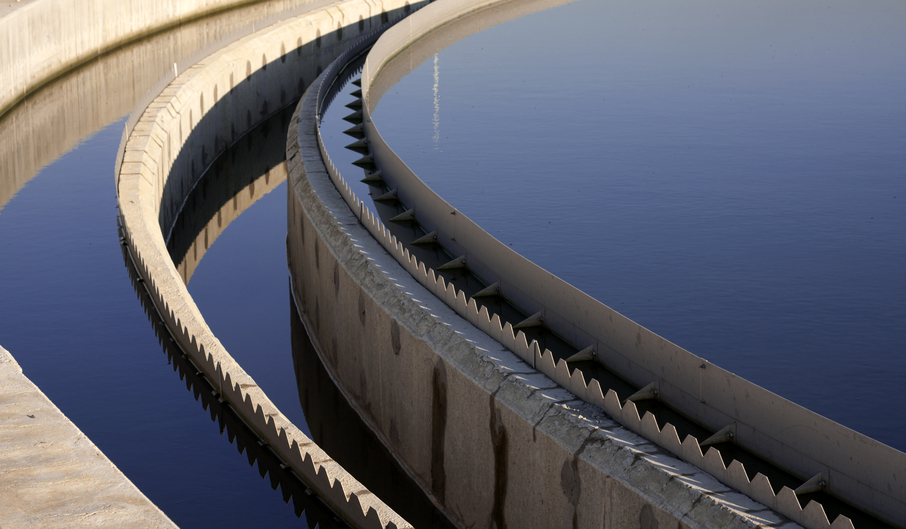
This online engineerng PDH course presents the characteristics of force main systems, as well as force main system selection, design, operation and maintenance.
Force mains that carry sewage flows under pressure represent a special set of challenges for sewer rehabilitation. A rupture of a sewer force main could release millions of gallons of raw sewage into the environment posing significant health risks to the general public and significant impacts to the environment. As some of the newer rehabilitation technologies develop a positive track record of use in sewer force mains and confidence in their design approach and installation process strengthens, more utilities are willing to consider these technologies as potential renewal solutions.
This 8 PDH online course is applicable to engineers involved with the design, construction, operation, maintenance, and/or rehabilitation of sewer force mains.
This PE continuing education course is intended to provide you with the following specific knowledge and skills:
- Introduction to force mains
- Understanding the characteristics of force main systems
- Understanding the renewal practices and technologies for force main systems
- Considerations and methods for technology selection considerations
- Considerations and methods force main system design and QA/QC requirements
- Considerations and methods for operation and maintenance of force main systems
In this professional engineering CEU course, you will need to review the EPA publication "State of Technology Report - Force Main Rehabilitation", EPA/600/R-10/044 - March 2010.
Upon successful completion of the quiz, print your Certificate of Completion instantly. (Note: if you are paying by check or money order, you will be able to print it after we receive your payment.) For your convenience, we will also email it to you. Please note that you can log in to your account at any time to access and print your Certificate of Completion.
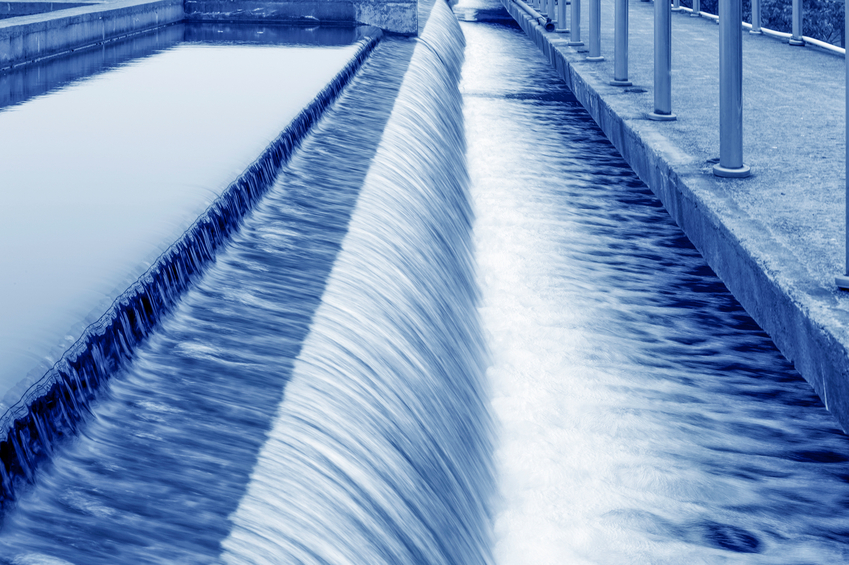
This online engineering PDH course describes water treatment requirements for the most common cooling tower systems, once-through and open recirculating, in industrial applications.
Cooling water systems remove heat generated from a variety of industrial processes. There are three basic types of cooling water systems: once-through, open recirculating, and closed recirculating cooling water systems.
This 5 PDH online course is intended for mechanical engineers and other design and construction professionals seeking an introduction to the technologies, equipment and operational practices for treatment of cooling tower water.
This PE continuing education course is intended to provide you with the following specific knowledge and skills:
-
Learning about once-through cooling water systems
-
Learning about open recirculating cooling water systems
-
Learning about natural draft, induced draft, and forced draft cooling towers
-
Knowing the components of typical cooling towers are and their functions
-
Learning about drift eliminators and fill
-
Understanding water treatment requirements for enhanced and super-enhanced chiller condenser tubing
-
Understanding the importance of controlling legionella bacteria
-
Understanding the relationship between evaporation, blowdown and makeup
-
Learning about cycles of concentration and how they are employed in cooling water treatment
In this professional engineering CEU course, you need to review the course document titled, "An Introduction to Cooling Water Tower Treatment".
Upon successful completion of the quiz, print your Certificate of Completion instantly. (Note: if you are paying by check or money order, you will be able to print it after we receive your payment.) For your convenience, we will also email it to you. Please note that you can log in to your account at any time to access and print your Certificate of Completion.

This online engineering PDH course presents the principles of engineering ethics that every engineer is expected to live by when practicing their profession.
Engineering ethics is (1) the study of moral issues and decisions confronting individuals and organizations involved in engineering and (2) the study of related questions about moral conduct, character, ideals and relationships of peoples and organizations involved in technological development (Martin and Schinzinger, Ethics in Engineering).
This course describes the fundamental legal concepts with which very engineer should be familiar. It also presents unique disciplinary case studies selected from across the nation, as well as hypothetical ethical challenges that demonstrate how difficult it can be to apply the code of ethics for engineers.
This 2 PDH online course is applicable to all professional engineers who are either required to fulfill 2 PDH in engineering ethics or are interested in broadening their understanding of what it means to practice and uphold the honor and integrity of their engineering profession while holding the utmost safety, health, and welfare of the public.
This PE continuing education course is intended to provide you with the following specific knowledge and skills:
- Understanding the common definition of ethics regarding engineering
- Learning about the important principles of the engineer’s professional responsibility
- Learning the do’s and don’ts through several ethical and disciplinary cases
- Understanding what it means to practise and uphold the honor and integrity of the engineering profession
Upon successful completion of the quiz, print your Certificate of Completion instantly. (Note: if you are paying by check or money order, you will be able to print it after we receive your payment.) For your convenience, we will also email it to you. Please note that you can log in to your account at any time to access and print your Certificate of Completion.