

North Carolina Mechanical and Ethics 15 PDH Discount Package 4
Boiler Basics, Operation and Maintenance (M08-009)
Overview of Gas Turbines (M02-057)
Water Efficiency Management Guide for Bathroom Suites (M01-019)
General Principles of Engineering Ethics (LE2-016)
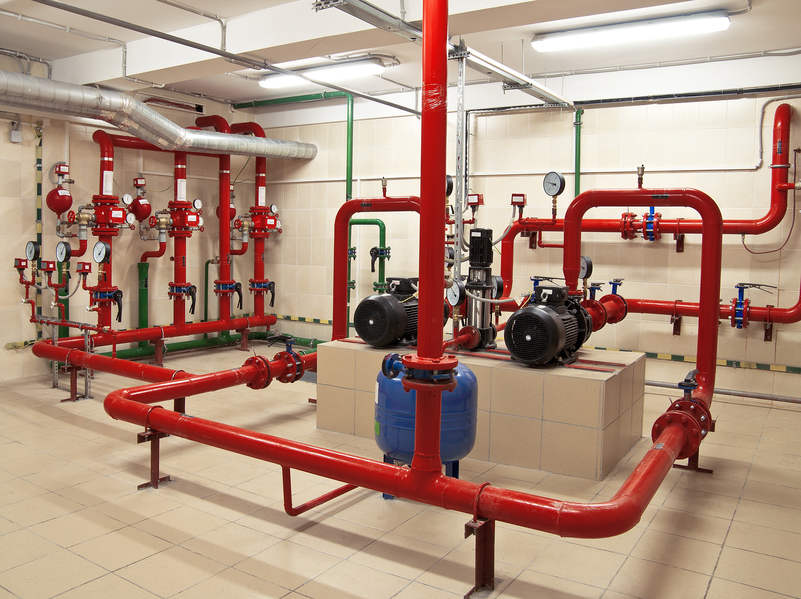
This online engineering PDH course offers an overview of the various valves and accessories utilized in plumbing and piping systems.
The course covers the different types, uses, and applications of key valves found in plumbing systems, including gate valves, butterfly valves, ball valves, and others. It also addresses water meters, the types of insulation used in piping systems, and additional accessories. Moreover, the course includes a brief discussion on maintenance and repair recommendations for valves.
This 2 PDH online course is suitable for mechanical and plumbing engineers, as well as other technical professionals looking to expand their knowledge of plumbing valves and their related accessories.
This PE continuing education course is intended to provide you with the following specific knowledge and skills:
- Learning about the various types of plumbing valves, including their specific uses and applications
- Familiarizing with the maintenance and repair requirements of plumbing valves
- Learning about the different water meter types, particularly the nutating disk volume meter, and their applications
- Understading the different types of insulation used in piping systems
Upon successful completion of the quiz, print your Certificate of Completion instantly. (Note: if you are paying by check or money order, you will be able to print it after we receive your payment.) For your convenience, we will also email it to you. Please note that you can log in to your account at any time to access and print your Certificate of Completion.
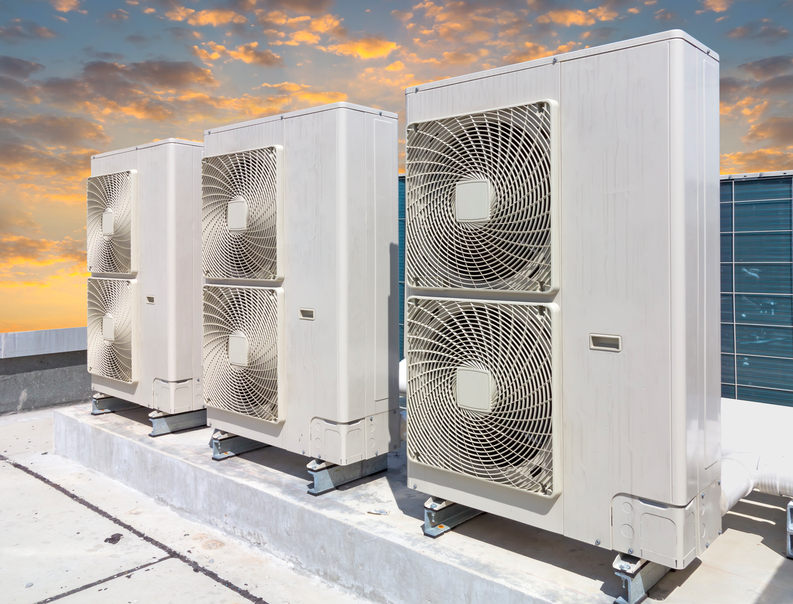
This online engineering PDH course provides information on steam generation, types of boilers pertinent to engineering operations, and the various fittings and components commonly found on boilers.
The boiler is an enclosed vessel in which water is heated and circulated, either as hot water or steam, to produce a source for either heat or power. A central heating plant may have one or more boilers that use gas, oil, or coal as fuel. The steam generated is used to heat buildings, provide hot water, and provide steam for cleaning, sterilizing, cooking, and laundering operations. Small package boilers also provide steam and hot water for small buildings.
A boiler must also meet certain requirements before it is considered satisfactory for operation. The boiler must be safe and economical to operate, and it must be able to generate steam at the desired rate and pressure.
This 8 PDH online course is applicable to mechanical engineers and professionals who are interested in learning more about the operation, maintenance, and repair of boilers used in various engineering applications.
This PE continuing education course is intended to provide you with the following specific knowledge and skills:
- Familiarizing with the steam generation theory
- Understanding boiler design requirements
- Learning about the different types of boilers, their fittings and accessories
- Identifying the automatic controls associated with boilers
- Learning about the different types of instruments and meters
- Knowing the procedures associated with boiler water treatment and cleaning
- Gaining an overview of the procedures associated with boiler maintenance
Upon successful completion of the quiz, print your Certificate of Completion instantly. (Note: if you are paying by check or money order, you will be able to print it after we receive your payment.) For your convenience, we will also email it to you. Please note that you can log in to your account at any time to access and print your Certificate of Completion.
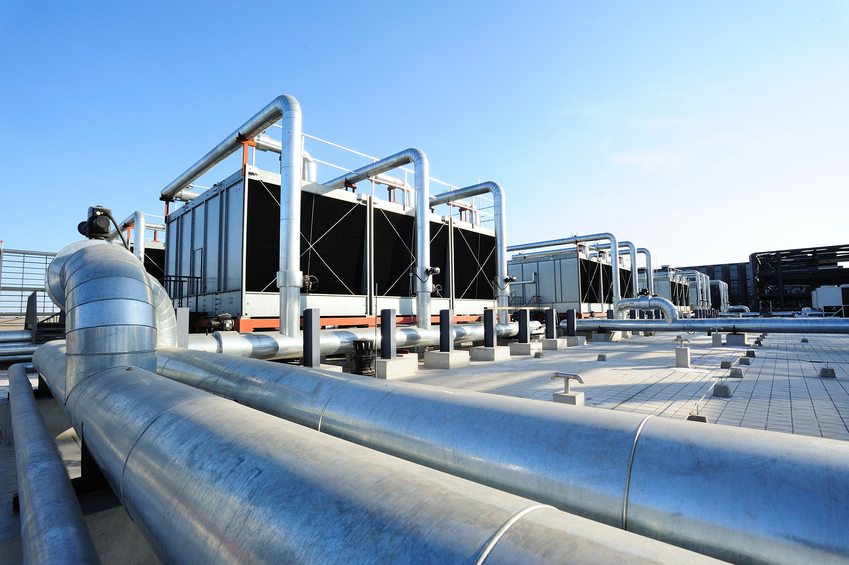
This online engineering PDH course provides an overview of gas turbines, by briefly discussing the basic theory, types, construction features, and operating principles of gas turbine engines.
The gas turbine is an internal combustion engine that uses air as the working fluid. The engine extracts chemical energy from fuel and converts it to mechanical energy using the gaseous energy of the working fluid to drive the engine.
The gas turbine, when compared to other types of engines, may offer many advantages. Its high power-to-weight ratio has made it the preferred engine for an aircraft. In terms of fuel economy, modern gas turbines may compete with diesel engines and be superior to boiler/steam turbine plants.
This 2 PDH online course is applicable to mechanical engineers as well as others who are interested in learning about Gas Turbines.
This PE continuing education course is intended to provide you with the following specific knowledge and skills:
- Familiarizing with the laws and principles that apply to gas turbine engines
- Understanding the methods used to classify gas turbines
- Learning about the major components used on gas turbines
- Learning about the functions of the starting systems and the types of ignition aids
- Gaining a general overview on the types of gas turbine monitoring systems
Upon successful completion of the quiz, print your Certificate of Completion instantly. (Note: if you are paying by check or money order, you will be able to print it after we receive your payment.) For your convenience, we will also email it to you. Please note that you can log in to your account at any time to access and print your Certificate of Completion.
This online engineering PDH course provides basic information on how to improve water management, reduce property water use, and subsequently improve EPA Water Score.
Bathrooms offer a clear opportunity for properties to save significant amounts of water. Use of toilets, faucets, showerheads, and other sanitary fixtures in the bathroom suite typically represent a significant percentage of water use in properties. Replacing bathroom fixtures with water-efficient products, and WaterSense labeled products when applicable, can provide the most significant opportunity for water and energy savings, particularly in older buildings with inefficient fixtures.
This 1 PDH online course is applicable to mechanical and sustainability engineers, as well as other technical personnel who are interested in improving water management and minimizing wastewater.
This PE continuing education course is intended to provide you with the following specific knowledge and skills:
- Knowing the background and importance of water management for bathrooms
- Familiarizing with bathroom maintenance best management practices
- Understanding water savings calculations for toilets, bathroom sink faucets, bath and shower diverters, and showerheads
- Knowing the replacement options when installing new toilet fixtures or replacing old, inefficient products
Upon successful completion of the quiz, print your Certificate of Completion instantly. (Note: if you are paying by check or money order, you will be able to print it after we receive your payment.) For your convenience, we will also email it to you. Please note that you can log in to your account at any time to access and print your Certificate of Completion.

This online engineering PDH course presents the principles of engineering ethics that every engineer is expected to live by when practicing their profession.
Engineering ethics is (1) the study of moral issues and decisions confronting individuals and organizations involved in engineering and (2) the study of related questions about moral conduct, character, ideals and relationships of peoples and organizations involved in technological development (Martin and Schinzinger, Ethics in Engineering).
This course describes the fundamental legal concepts with which very engineer should be familiar. It also presents unique disciplinary case studies selected from across the nation, as well as hypothetical ethical challenges that demonstrate how difficult it can be to apply the code of ethics for engineers.
This 2 PDH online course is applicable to all professional engineers who are either required to fulfill 2 PDH in engineering ethics or are interested in broadening their understanding of what it means to practice and uphold the honor and integrity of their engineering profession while holding the utmost safety, health, and welfare of the public.
This PE continuing education course is intended to provide you with the following specific knowledge and skills:
- Understanding the common definition of ethics regarding engineering
- Learning about the important principles of the engineer’s professional responsibility
- Learning the do’s and don’ts through several ethical and disciplinary cases
- Understanding what it means to practise and uphold the honor and integrity of the engineering profession
Upon successful completion of the quiz, print your Certificate of Completion instantly. (Note: if you are paying by check or money order, you will be able to print it after we receive your payment.) For your convenience, we will also email it to you. Please note that you can log in to your account at any time to access and print your Certificate of Completion.