

District of Columbia Energy Efficiency and Ethics 20 PDH Discount Package 1
Hydrogen and Fuel Cells (R08-003)
Premium Efficiency Motor Selection and Application Guide (E07-002)
Water Efficiency Management Guide for Bathroom Suites (M01-019)
Ethical Issue: Deciding if Something is a Gift or a Bribe (LE1-007)

This online engineering PDH course provides Licensed Professionals (LPs) with step-by-step instructions on how to correctly verify the reported data of applications and assess indoor environmental quality of U.S. buildings.
Energy use in commercial buildings accounts for nearly 20% of U.S. greenhouse gas emissions at a cost of more than $100 billion per year. Through ENERGY STAR®, the United States Environmental Protection Agency (EPA) works with owners and managers of our nation’s commercial buildings to help them strategically manage their facilities’ energy performance, cut energy use, lower utility bills, and reduce greenhouse gas emissions.
More than a dozen types of commercial buildings can earn EPA’s mark of superior energy efficiency – the ENERGY STAR, which is recognized by 90% of American consumers. Commercial buildings that earn the ENERGY STAR must perform in the top 25% of buildings nationwide compared to similar buildings, and their performance must be verified by a licensed professional.
The role of the LP is to verify that all energy use is accounted for accurately, the building characteristics have been properly reported, and indoor environmental quality has not been compromised in pursuit of energy conservation. By verifying the completeness and correctness of the application submitted to the EPA, the LP helps to ensure the integrity of the ENERGY STAR certification.
This 3 PDH online course is applicable to professional engineers who are interested in learning about the verification process of commercial building applications for the ENERGY STAR® certification.
This PE continuing education course is intended to provide you with the following specific knowledge and skills:
- Gaining an overview of energy use in commercial buildings in the U.S. as well as EPA’s mark of superior energy efficiency
- Familiarizing with the eligibility criteria for individuals verifying the applications for ENERGY STAR
- Learning about the different stages of the ENERGY STAR application process
- Understanding the detailed process by which the LP should verify the accuracy of each element on the application
M03-053 - APPENDIX A - INDOOR ENVIRONMENTAL QUALITY MEASUREMENT FORM FOR ENERGY STAR (1.2 MB)
Upon successful completion of the quiz, print your Certificate of Completion instantly. (Note: if you are paying by check or money order, you will be able to print it after we receive your payment.) For your convenience, we will also email it to you. Please note that you can log in to your account at any time to access and print your Certificate of Completion.
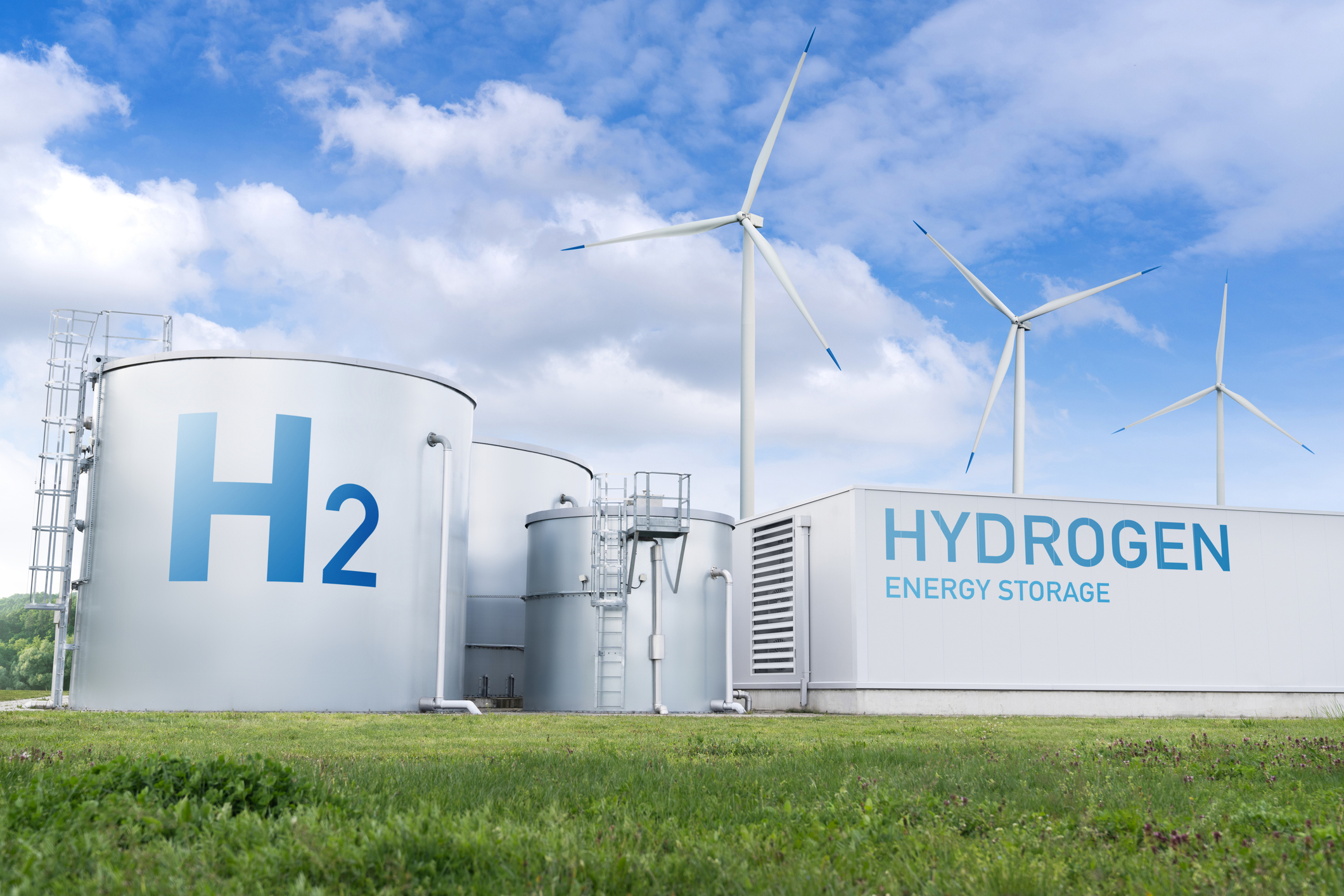
This online engineering PDH course offers a thorough introduction to hydrogen as a critical energy carrier for achieving a clean, sustainable energy future.
This course provides an overview of the science, technologies, and applications that enable hydrogen production, delivery, storage, and utilization in fuel cells. It introduces key concepts and examines both conventional and renewable production methods, including steam methane reforming, water electrolysis, and biological processes. Additionally, it explores advanced storage solutions such as compressed gas and metal hydrides, along with logistical considerations for hydrogen delivery using pipelines, tube trailers, and cryogenic transport.
Furthermore, this course delves into the operation and applications of fuel cells, focusing on Polymer Electrolyte Membrane (PEM) fuel cells commonly used in vehicles. It highlights the role of the Hydrogen and Fuel Cell Technologies Office (HFTO) and initiatives like H2@Scale, which aim to address various technological, economic, and institutional challenges.
This 8 PDH online course is applicable to energy engineers and other technical professionals interested in understanding the role of hydrogen in the transition to net-zero emissions.
This PE continuing education course is intended to provide you with the following specific knowledge and skills:
- Explaining the role of hydrogen and fuel cell technologies in achieving global net-zero emissions targets
- Describing key hydrogen production methods, including steam methane reforming, electrolysis with renewable energy, and biological processes
- Analyzing challenges and solutions in hydrogen delivery, covering pipelines, tube trailers, cryogenic transport, and compression systems
- Familiarizing with hydrogen storage technologies such as compressed gas, liquid hydrogen, and advanced materials like metal hydrides
- Understanding the principles and operation of fuel cells, with emphasis on Polymer Electrolyte Membrane (PEM) fuel cells
- Discussing technical, economic, and institutional barriers to hydrogen deployment and identify strategies to overcome them
- Assessing current innovations and emerging technologies in the hydrogen energy sector
Upon successful completion of the quiz, print your Certificate of Completion instantly. (Note: if you are paying by check or money order, you will be able to print it after we receive your payment.) For your convenience, we will also email it to you. Please note that you can log in to your account at any time to access and print your Certificate of Completion.
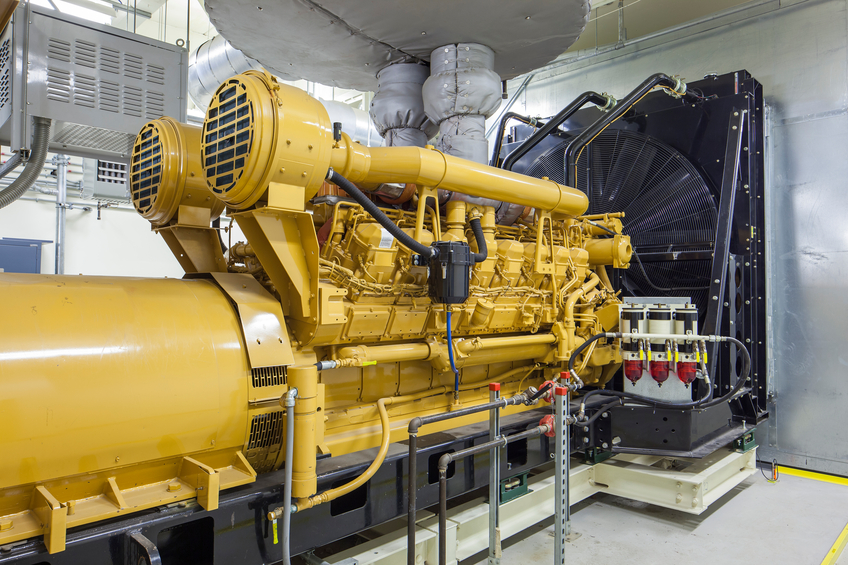
This online engineering PDH course provides guidance in new motor purchase decisions, and helps in identifying the energy and cost savings for motors that should be replaced with premium efficiency units.
The National Electrical Manufacturers Association (NEMA) adopted a NEMA Premium® efficiency motor standard in August of 2001. A motor can be marketed as a NEMA Premium motor if it meets or exceeds a set of minimum full-load efficiency levels.
These premium efficiency motor standards cover the 1 horsepower (hp) to 500 hp three-phase low-voltage NEMA Design A and B general, special, and definite purpose induction motors that are in widespread use in U.S. industrial facilities. The energy savings from replacing in-service standard and energy efficient motors with premium efficiency motor models can be substantial.
This 7 PDH online course is applicable to electrical and mechanical engineers and professionals who are interested in learning more about the performance, properties, selection and applications of premium efficiency motors.
This PE continuing education course is intended to provide you with the following specific knowledge and skills:
- Familiarizing with the in-service motor population and motor uses in the industrial sector
- Understanding the evolution of voluntary and mandatory motor efficiency standards
- Learning how to evaluate motor efficiency opportunities, address application considerations, and determine cost-effectiveness
- Gaining an overview of currently available and emerging advanced “Super Premium” efficiency motor technologies
- Understanding the preventive and predictive maintenance activities necessary to keep premium efficiency motors operating at peak efficiency
Upon successful completion of the quiz, print your Certificate of Completion instantly. (Note: if you are paying by check or money order, you will be able to print it after we receive your payment.) For your convenience, we will also email it to you. Please note that you can log in to your account at any time to access and print your Certificate of Completion.
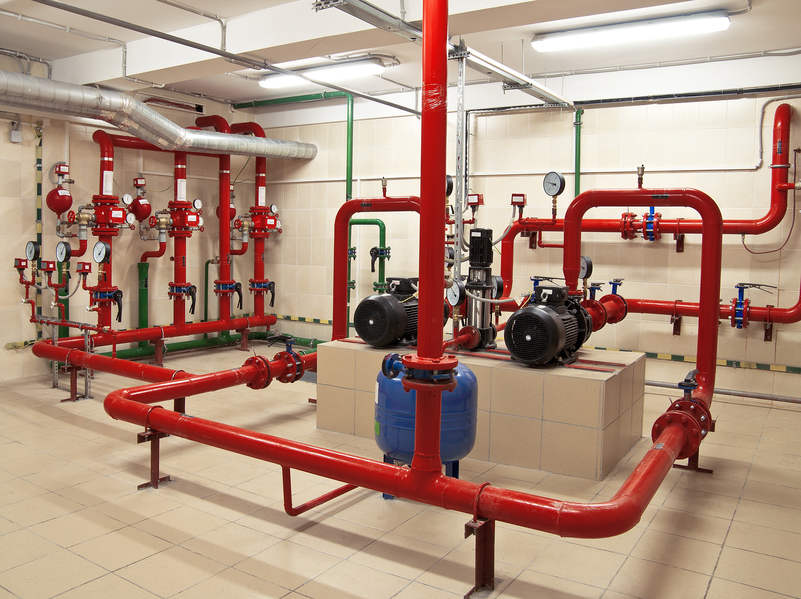
This online engineering PDH course provides basic information on how to improve water management, reduce property water use, and subsequently improve EPA Water Score.
Bathrooms offer a clear opportunity for properties to save significant amounts of water. Use of toilets, faucets, showerheads, and other sanitary fixtures in the bathroom suite typically represent a significant percentage of water use in properties. Replacing bathroom fixtures with water-efficient products, and WaterSense labeled products when applicable, can provide the most significant opportunity for water and energy savings, particularly in older buildings with inefficient fixtures.
This 1 PDH online course is applicable to mechanical and sustainability engineers, as well as other technical personnel who are interested in improving water management and minimizing wastewater.
This PE continuing education course is intended to provide you with the following specific knowledge and skills:
- Knowing the background and importance of water management for bathrooms
- Familiarizing with bathroom maintenance best management practices
- Understanding water savings calculations for toilets, bathroom sink faucets, bath and shower diverters, and showerheads
- Knowing the replacement options when installing new toilet fixtures or replacing old, inefficient products
Upon successful completion of the quiz, print your Certificate of Completion instantly. (Note: if you are paying by check or money order, you will be able to print it after we receive your payment.) For your convenience, we will also email it to you. Please note that you can log in to your account at any time to access and print your Certificate of Completion.

This online engineering PDH course will establish, through the presentation of many examples, the principles of distinguishing between a gift and a bribe.
The federal government has formulated detailed rules covering gifts given to executive-branch employees in many situations. The rules are published in the Code of Federal Regulations (CFR) and are illustrated through many examples. Even though the examples are intended for government employees (many of whom are engineers), they also apply to private-sector engineers in similar situations. This course presents selected CFR examples that furnish guidance on the ethics of gift giving in situations that are especially relevant to engineers.
This 1 PDH online course is intended for engineers seeking guidance on distinguishing between ethical gift-giving and bribery.
This PE continuing education course is intended to provide you with the following specific knowledge and skills:
- Familiarizing with definitions of a bribe and a gift
- Knowing the bribe status of a gift based on a personal relationship
- Understanding the conditions under which gifts to spouses are acceptable
- Knowing the need to avoid even the appearance of a gift being a bribe
- Recognizing when gifts involving free attendance at meetings and conferences are acceptable
- Understanding the importance of the cumulative effect of receiving even small gifts on a periodic basis
- Learning the importance of gifts received when on assignment rather than outside of work
Upon successful completion of the quiz, print your Certificate of Completion instantly. (Note: if you are paying by check or money order, you will be able to print it after we receive your payment.) For your convenience, we will also email it to you. Please note that you can log in to your account at any time to access and print your Certificate of Completion.