

Delaware Energy Efficiency and Ethics 24 PDH Discount Package 2
Green Roofs for Stormwater Runoff Control (C05-026)
Continuous Energy Improvement in Motor Driven Systems (E08-007)
Water Efficiency Management Guide for Bathroom Suites (M01-019)
Wireless Occupancy Sensors for Lighting Controls (E01-012)
Improving Process Heating Systems Performance (M05-026)
Engineering Ethics Case Study: The Challenger Disaster (LE3-001)

This online engineering PDH course provides an overview of wind turbines and presents the basic features, components, types and operating principles of the most commonly used wind turbines in the industry.
Wind is a form of solar energy caused by a combination of three concurrent events: the sun unevenly heating the atmosphere, irregularities of the earth's surface, and the rotation of the earth. The terms "wind energy" and "wind power" both describe the process by which the wind is used to generate mechanical power or electricity. This mechanical power can be used for specific tasks (such as grinding grain or pumping water) or a generator can convert this mechanical power into electricity.
Wind turbines work on a simple principle: instead of using electricity to make wind—like a fan—wind turbines use wind to make electricity. Wind turns the propeller-like blades of a turbine around a rotor, which spins a generator, which creates electricity.
This 1 PDH online course is applicable to mechanical and electrical engineers and energy specialists who are interested in learning more about wind turbines and their basic operating principles.
This PE continuing education course is intended to provide you with the following specific knowledge and skills:
- Familiarizing with the process by which wind is used to generate mechanical power or electricity
- Learning about the different components of a wind turbine
- Understanding the operating principles of a wind turbine
- Learning about the different types and applications of wind turbines
- Gaining a general overview of hybrid wind and solar electric systems
Upon successful completion of the quiz, print your Certificate of Completion instantly. (Note: if you are paying by check or money order, you will be able to print it after we receive your payment.) For your convenience, we will also email it to you. Please note that you can log in to your account at any time to access and print your Certificate of Completion.

This online engineering PDH course will investigate green roofs as an approach to control stormwater discharge and pollutant content. This course provides the data and background municipalities and private entities need to move forward with decisions to implement green roofs as a stormwater control technology, or best management practice (BMP).
Urban development has led to large areas of impervious surfaces such as parking lots and building roofs. Runoff from these areas is causing problems for many urban and suburban communities. Not only is total volume of wet weather flow (WWF) increased, but peak flow rates are also increased. Implementation of traditional stormwater BMPs in urban areas may not be practical in all circumstances due to limited available surface area and other concerns. Green roofs have been suggested as a means to reduce the stormwater impacts of development because they have been shown to both detain and retain stormwater. The purpose of this study is to quantify runoff reductions resulting from the use of extensive green roof systems.
This 5 PDH online course is applicable to municipality owners and/or operators, construction contractors/workers, site developers, engineers, managers, and all other personnel involved in the stormwater runoff control field.
This PE continuing education course is intended to provide you with the following specific knowledge and skills:
- Learning about the green roof effects on runoff quantity
- Learning about the green roof effects on runoff quality
- Learning about the different types of plants commonly used in green roofs
- Understanding the green roof plant and media management considerations
- Familiarizing with the cost and implementation associated with green roofs for stormwater runoff control
Upon successful completion of the quiz, print your Certificate of Completion instantly. (Note: if you are paying by check or money order, you will be able to print it after we receive your payment.) For your convenience, we will also email it to you. Please note that you can log in to your account at any time to access and print your Certificate of Completion.
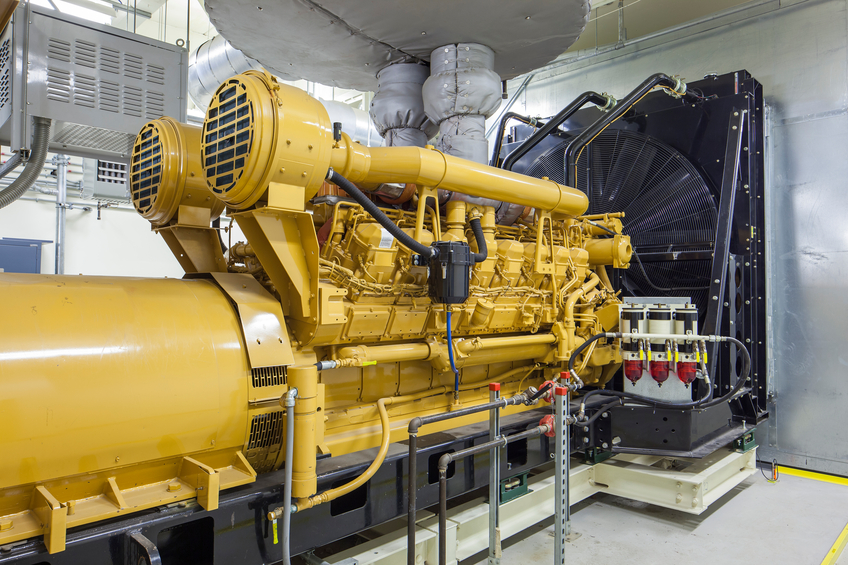
This online engineering PDH course presents the fundamental information and necessary guidance required to assist the Manufacturing and Process industries in optimizing their electric motor driven systems which leads to substantial energy / cost savings.
Electric motors are among the least well-managed industrial equipment, even though motor-driven equipment accounts for approximately 70% of the electrical energy consumed by process industries and approximately 90% for electrical intensive industries. Motors that are not properly managed can result in billions of dollars in wasted energy and operating costs to an industry.
A detailed analysis of the U.S. motor systems inventory indicates that this energy use could be reduced by 11% to 18% if plant managers implement all cost-effective applications of mature and proven energy efficiency technologies and practices. It is worth noting that the suggested improvements are not necessarily limited to the U.S., but can be implemented in any industry around the world that utilizes motor driven systems.
This 8 PDH online course is applicable to electrical, mechanical, and industrial engineers as well as other technical personnel interested in learning more about improving the operation of motor driven systems.
This PE continuing education course is intended to provide you with the following specific knowledge and skills:
- Familiarizing with motor energy management and best practices
- Understanding the different types of utility charges
- Learning about the steps involved in conducting a motor survey
- Familiarizing with motor specification and selection considerations
- Estimating motor load and efficiency
- Analyzing motor efficiency opportunities
- Conducting plans for improving motor efficiency
- Familiarizing with the opportunities to improve system efficiencies
- Understanding the importance and practicality of power factor correction
Upon successful completion of the quiz, print your Certificate of Completion instantly. (Note: if you are paying by check or money order, you will be able to print it after we receive your payment.) For your convenience, we will also email it to you. Please note that you can log in to your account at any time to access and print your Certificate of Completion.
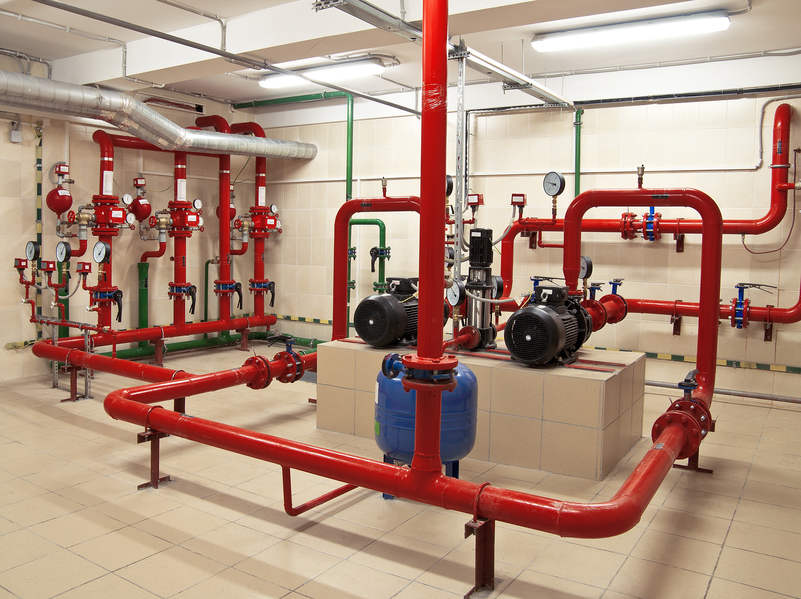
This online engineering PDH course provides basic information on how to improve water management, reduce property water use, and subsequently improve EPA Water Score.
Bathrooms offer a clear opportunity for properties to save significant amounts of water. Use of toilets, faucets, showerheads, and other sanitary fixtures in the bathroom suite typically represent a significant percentage of water use in properties. Replacing bathroom fixtures with water-efficient products, and WaterSense labeled products when applicable, can provide the most significant opportunity for water and energy savings, particularly in older buildings with inefficient fixtures.
This 1 PDH online course is applicable to mechanical and sustainability engineers, as well as other technical personnel who are interested in improving water management and minimizing wastewater.
This PE continuing education course is intended to provide you with the following specific knowledge and skills:
- Knowing the background and importance of water management for bathrooms
- Familiarizing with bathroom maintenance best management practices
- Understanding water savings calculations for toilets, bathroom sink faucets, bath and shower diverters, and showerheads
- Knowing the replacement options when installing new toilet fixtures or replacing old, inefficient products
Upon successful completion of the quiz, print your Certificate of Completion instantly. (Note: if you are paying by check or money order, you will be able to print it after we receive your payment.) For your convenience, we will also email it to you. Please note that you can log in to your account at any time to access and print your Certificate of Completion.

This online engineering PDH course provides basic information on wireless occupancy for lighting controls.
Lighting use constitutes about 20% of the total energy consumption in commercial buildings. Adding lighting controls is a simple retrofit option than can save on energy costs while helping to meet agency and federal energy savings mandates. Some energy codes and federal standards require the use of lighting controls.
Studies have shown that adding lighting controls can reduce lighting energy use 10% to 90% or more depending on the use of the space in which the sensors are installed. One study conducted on a university campus found that installing wired occupancy sensors to control lighting in more than 200 rooms in 10 buildings provided an annual cost savings of about $14,000 with a simple payback of 4.2 years.
This 1 PDH online course is applicable to electrical engineers and others interested in gaining knowledge about wireless occupancy for lighting controls for a better sustainable design.
This PE continuing education course is intended to provide you with the following specific knowledge and skills:
- Familiarizing with the different types of occupancy sensors and their characteristics including microphonic, ultrasonic, bluetooth, video image and dual technology
- Gaining a general overview of the codes and standards of lighting controls
- Learning about the types of light source to use for occupancy sensors
- Understanding how wireless sensors are powered and the best practices in using wireless sensors
- Learning about the cost considerations for wire and wireless sensors
Upon successful completion of the quiz, print your Certificate of Completion instantly. (Note: if you are paying by check or money order, you will be able to print it after we receive your payment.) For your convenience, we will also email it to you. Please note that you can log in to your account at any time to access and print your Certificate of Completion.
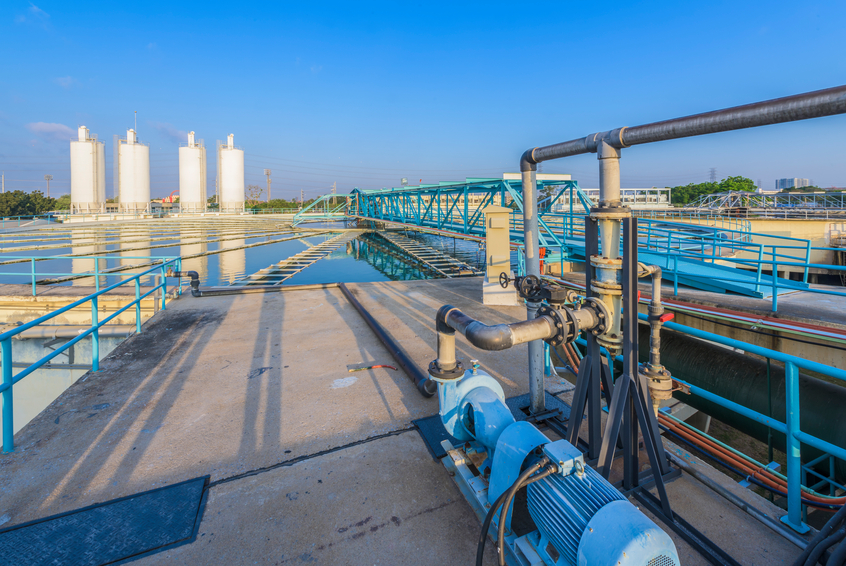
This online engineering PDH course describes basic process heating applications and equipment, and outlines opportunities for energy and performance improvements. It also discusses the merits of using a systems approach in identifying and implementing these improvement opportunities for Fuel-Based and Electric-Based heating systems. Furthermore, it provides recommendations to financially justify process heating improvement projects (System Economics).
Process heating is essential in the manufacture of most consumer and industrial products, including those made out of metal, plastic, rubber, carbon fiber, concrete, glass, and ceramics. Process heating systems are broken into three basic categories: Fuel-Based Process Heating, Electric-Based Process Heating, and Steam-Based Process Heating all of which are discussed in details.
This 5 PDH online course is applicable to mechanical, industrial and process engineers, designers, manufacturers and all personnel involved in the planning, design and installation of process heating systems.
This PE continuing education course is intended to provide you with the following specific knowledge and skills:
- Understanding the basics behind process heating operations
- Familiarizing with the common types of process heating systems and equipment
- Recognizing efficiency opportunities for fuel-based and electric-based heating systems
- Learning how to financially justify process heating improvement projects
Upon successful completion of the quiz, print your Certificate of Completion instantly. (Note: if you are paying by check or money order, you will be able to print it after we receive your payment.) For your convenience, we will also email it to you. Please note that you can log in to your account at any time to access and print your Certificate of Completion.

This online engieering PDH course provides instruction in engineering ethics through a case study of the Space Shuttle Challenger disaster. The minimum technical details needed to understand the physical cause of the Shuttle failure are presented. The disaster itself is chronicled through NASA photographs. Next the decision-making process, especially the discussions occurring during the teleconference held on the evening before the launch, is described. Direct quotations from engineers interviewed after the disaster are used to illustrate the ambiguities of the data and the pressures that the decision-makers faced in the months and hours preceding the launch. The course culminates in an extended treatment of six ethical issues raised by Challenger.
This 3 PDH online course is intended for all engineers who are interested in gaining a better understanding about the ethical issues that lead to the Challenger disaster and how they could have been avoided.
This PE continuing education course is intended to provide you with the following specific knowledge and skills:
- Common errors to avoid in studying the history of an engineering failure: the retrospective fallacy and the myth of perfect engineering practice
- Shuttle hardware involved in the disaster
- Decisions made in the period preceding the launch
- Ethical issue: NASA giving first priority to public safety over other concerns
- Ethical issue: the contractor giving first priority to public safety over other concerns
- Ethical issue: whistle blowing
- Ethical issue: informed consent
- Ethical issue: ownership of company records
- Ethical issue: how the public perceives that an engineering decision involves an ethical violation
In this professional engineering CEU course, you need to review the course document titled, "Engineering Ethics Case Study: The Challenger Disaster".
Upon successful completion of the quiz, print your Certificate of Completion instantly. (Note: if you are paying by check or money order, you will be able to print it after we receive your payment.) For your convenience, we will also email it to you. Please note that you can log in to your account at any time to access and print your Certificate of Completion.