

Delaware Chemical and Ethics 24 PDH Discount Package 2
Reactor Water Chemistry (H03-001)
Building Field Capabilities to Respond to Drinking Water Contamination (H03-009)
CO2 Emission Reductions from Changes in Electricity Generation and Use (H11-001)
Factors to Consider When Using Toxic Release Inventory Data (H01-003)
Engineering Ethics Case Study: The Challenger Disaster (LE3-001)

This online engineering PDH course addresses the principles of ion exchange in the context of water purity. It also discusses typical water treatment methods and the basis for these methods.
Water treatment is necessary to remove the impurities that are contained in water as found in nature. Control or elimination of these impurities is necessary to combat corrosion, scale formation, and fouling of heat transfer surfaces throughout facility support systems.
This 3 PDH online course is applicable to chemical and environmental engineers, design and construction personnel, technical staff and facility operators who are interested in gaining a better understanding of the principles of water treatment.
This PE continuing education course is intended to provide you with the following specific knowledge and skills:
- Water treatment processes
- Dissolved gases
- Suspended solids
- pH control
- Water purity
In this professional engineering CEU course, you need to review Module 4, "Principles of Water Treatment" of the Department of Energy Publication DOE-HDBK-1015/1-93, "Chemistry".
Upon successful completion of the quiz, print your Certificate of Completion instantly. (Note: if you are paying by check or money order, you will be able to print it after we receive your payment.) For your convenience, we will also email it to you. Please note that you can log in to your account at any time to access and print your Certificate of Completion.

This online engineering PDH course describes the chemical measures taken to retard the corrosion often found in water systems. It also addresses the consequences of radioactivity on facility cooling water systems.
Radiation synthesis is a process that takes place in the reactor coolant system. This phenomenon is limited to the reactor coolant system because of the high flux (radiation) levels that exist in the core region and further complicate chemistry control of the reactor plant.
This 3 PDH online course is applicable to chemical engineers, design and construction personnel, technical staff and facility operators who are interested in gaining a better understanding of the reactor water chemistry.
This PE continuing education course is intended to provide you with the following specific knowledge and skills:
- Understanding water chemistry parameters
- Understanding the effects of radiation on water chemistry
In this professional engineering CEU course, you need to review Module 3, "Reactor Water Chemistry" of the Department of Energy Publication DOE-HDBK-1015/1-93, "Chemistry".
Upon successful completion of the quiz, print your Certificate of Completion instantly. (Note: if you are paying by check or money order, you will be able to print it after we receive your payment.) For your convenience, we will also email it to you. Please note that you can log in to your account at any time to access and print your Certificate of Completion.
This online engineering PDH course provides guidance on building field capabilities in order to respond to the contamination of drinking water. The course also provides planning and implementation guidance, templates, customizable report forms, and other documentation for Sampling and Analysis (S&A) activities.
When performed in response to possible or credible drinking water contamination, the goal of Sampling and Analysis (S&A) is to confirm or rule out contamination through field and laboratory testing. It is one of the earliest utility-led activities initiated when the utility has activated its drinking water contamination response plan and continues throughout remediation and recovery if contamination is confirmed.
This 3 PDH online course is intended for chemical and environmental engineers as well as others who are interested in learning more about building field capabilities in order to respond to the contamination of drinking water.
This PE continuing education course is intended to provide you with the following specific knowledge and skills:
- Familiarizing with planning and documentation for visual site hazard assessment, sample collection, and sample packaging and shipping
- Familiarizing with planning and documentation for site safety screening, rapid field testing, and hazardous materials packaging and shipping
- Understanding the staffing requirements to perform basic and advanced field activities
- Taking into consideration field response health and safety
- Familiarizing with quality assurance and quality control
- Understanding emergency response procedures
- Familiarizing with the considerations for preparation, placement, and contents of emergency response sampling and analysis kits
Upon successful completion of the quiz, print your Certificate of Completion instantly. (Note: if you are paying by check or money order, you will be able to print it after we receive your payment.) For your convenience, we will also email it to you. Please note that you can log in to your account at any time to access and print your Certificate of Completion.
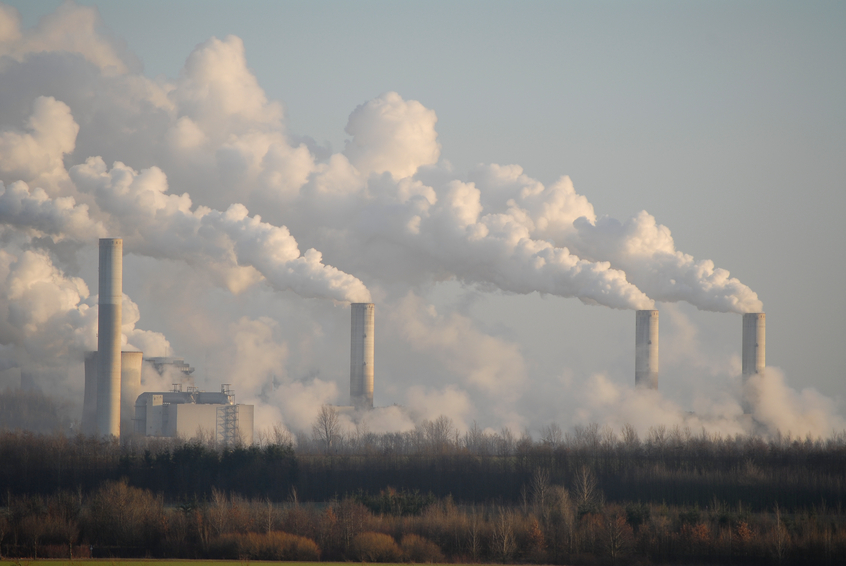
This online engineering PDH course provides an introspective look into reducing CO2 emissions through comprehensive multi-sector and electric models.
The Inflation Reduction Act of 2022 (IRA) represents a significant legislative commitment to transform energy production and consumption, reduce the risks of climate change, improve environmental quality, and simultaneously spur investments that create economic opportunities. This course presents results from state-of-the-art multi-sector and electric sector models to assess how the IRA’s provisions reduce CO2 emissions.
This course is responsive to section 60107(5) of the Low Emissions Electricity Program within the IRA, which requires EPA to assess “... the reductions in greenhouse gas emissions that result from changes in domestic electricity generation and use that are anticipated to occur on an annual basis through fiscal year 2031.” This course primarily focuses on carbon dioxide (CO2) emissions because the vast majority of direct electric sector GHG emissions are from fossil fuel combustion and the increased use of clean electricity primarily offsets fossil fuel use in end-use sectors.
This 11 PDH online course is applicable to environmental and civil engineers, as well as others who are interested in gaining insight on CO2 emissions, and the solutions to reduce the negative effects of emissions.
This PE continuing education course is intended to provide you with the following specific knowledge and skills:
- Familiarizing with the emission reduction in multi-sector and electric sector models
- Gaining a general overview on the Inflation Reduction Act of 2022
- Familiarizing with the economy wide CO2 emissions analysis and results
- Learning about the key IRA provisions for the electric sector, the transportation sector, the building sector, and the industry
- Understanding sector analysis and results for electric sector, transportation sector, building sector and industry
- Learning about the different ways each sector can potentially contribute to air pollution and CO2 emissions
Upon successful completion of the quiz, print your Certificate of Completion instantly. (Note: if you are paying by check or money order, you will be able to print it after we receive your payment.) For your convenience, we will also email it to you. Please note that you can log in to your account at any time to access and print your Certificate of Completion.
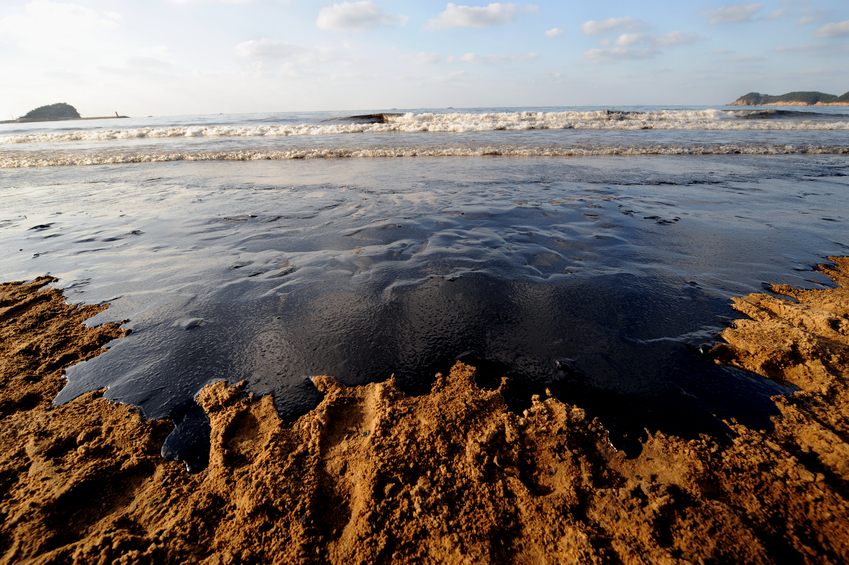
This online engineering PDH course provides a comprehensive overview of the Toxics Release Inventory (TRI) data, focusing on its significance, application, and the critical factors to consider when analyzing this data.
This course highlights the role of the Environmental Protection Agency (EPA) in compiling and disseminating TRI data, which encompasses information about toxic chemicals managed by various facilities in the United States. It explores the data collection processes, the types of chemicals reported, and the regulatory framework governing these releases. This course delves into key factors that impact the interpretation of TRI data, such as the toxicity of chemicals, the routes of exposure, and the context of environmental regulations. It explores methodologies for analyzing releases, understanding waste management practices, and assessing potential risks associated with toxic chemicals in communities. By engaging with real-world examples and case studies, the course shows how TRI data can inform industry practices, regulatory measures, and public health considerations.
This 1 PDH online course is applicable to chemical and environmental engineers, as well as other technical professionals interested in learning more about factors to consider when using toxic release inventory data.
This PE continuing education course is intended to provide you with the following specific knowledge and skills:
- Understanding the purpose and significance of the Toxics Release Inventory (TRI) and its role in environmental protection and public health
- Learning how to analyze TRI data, including methodologies for interpreting toxic chemical releases and waste management practices
- Knowing the key factors that influence exposure and risk assessments related to toxic chemicals reported in TRI
- Familiarizing with the regulatory framework governing TRI reporting and the compliance requirements for facilities handling toxic substances
- Understanding the concept of source reduction and its importance in minimizing toxic releases in industrial operations
- Learning about the various tools and resources available for accessing and utilizing TRI data effectively in stakeholder decision-making
- Knowing how to evaluate industrial practices and community impacts associated with TRI-reported chemicals to inform public health initiatives
- Familiarizing with best practices for engaging with communities concerning TRI data and potential environmental concerns related to toxic releases
In this professional engineering CEU course, you need to review the course document titled, “Factors to Consider When Using Toxic Release Inventory Data”, which is based on the U.S. Environmental Protection Agency (EPA), Publication No. 260R19001, “Factors to Consider When Using Toxic Release Inventory Data”.
Upon successful completion of the quiz, print your Certificate of Completion instantly. (Note: if you are paying by check or money order, you will be able to print it after we receive your payment.) For your convenience, we will also email it to you. Please note that you can log in to your account at any time to access and print your Certificate of Completion.

This online engieering PDH course provides instruction in engineering ethics through a case study of the Space Shuttle Challenger disaster. The minimum technical details needed to understand the physical cause of the Shuttle failure are presented. The disaster itself is chronicled through NASA photographs. Next the decision-making process, especially the discussions occurring during the teleconference held on the evening before the launch, is described. Direct quotations from engineers interviewed after the disaster are used to illustrate the ambiguities of the data and the pressures that the decision-makers faced in the months and hours preceding the launch. The course culminates in an extended treatment of six ethical issues raised by Challenger.
This 3 PDH online course is intended for all engineers who are interested in gaining a better understanding about the ethical issues that lead to the Challenger disaster and how they could have been avoided.
This PE continuing education course is intended to provide you with the following specific knowledge and skills:
- Common errors to avoid in studying the history of an engineering failure: the retrospective fallacy and the myth of perfect engineering practice
- Shuttle hardware involved in the disaster
- Decisions made in the period preceding the launch
- Ethical issue: NASA giving first priority to public safety over other concerns
- Ethical issue: the contractor giving first priority to public safety over other concerns
- Ethical issue: whistle blowing
- Ethical issue: informed consent
- Ethical issue: ownership of company records
- Ethical issue: how the public perceives that an engineering decision involves an ethical violation
In this professional engineering CEU course, you need to review the course document titled, "Engineering Ethics Case Study: The Challenger Disaster".
Upon successful completion of the quiz, print your Certificate of Completion instantly. (Note: if you are paying by check or money order, you will be able to print it after we receive your payment.) For your convenience, we will also email it to you. Please note that you can log in to your account at any time to access and print your Certificate of Completion.