

Introduction to Aircraft Engines
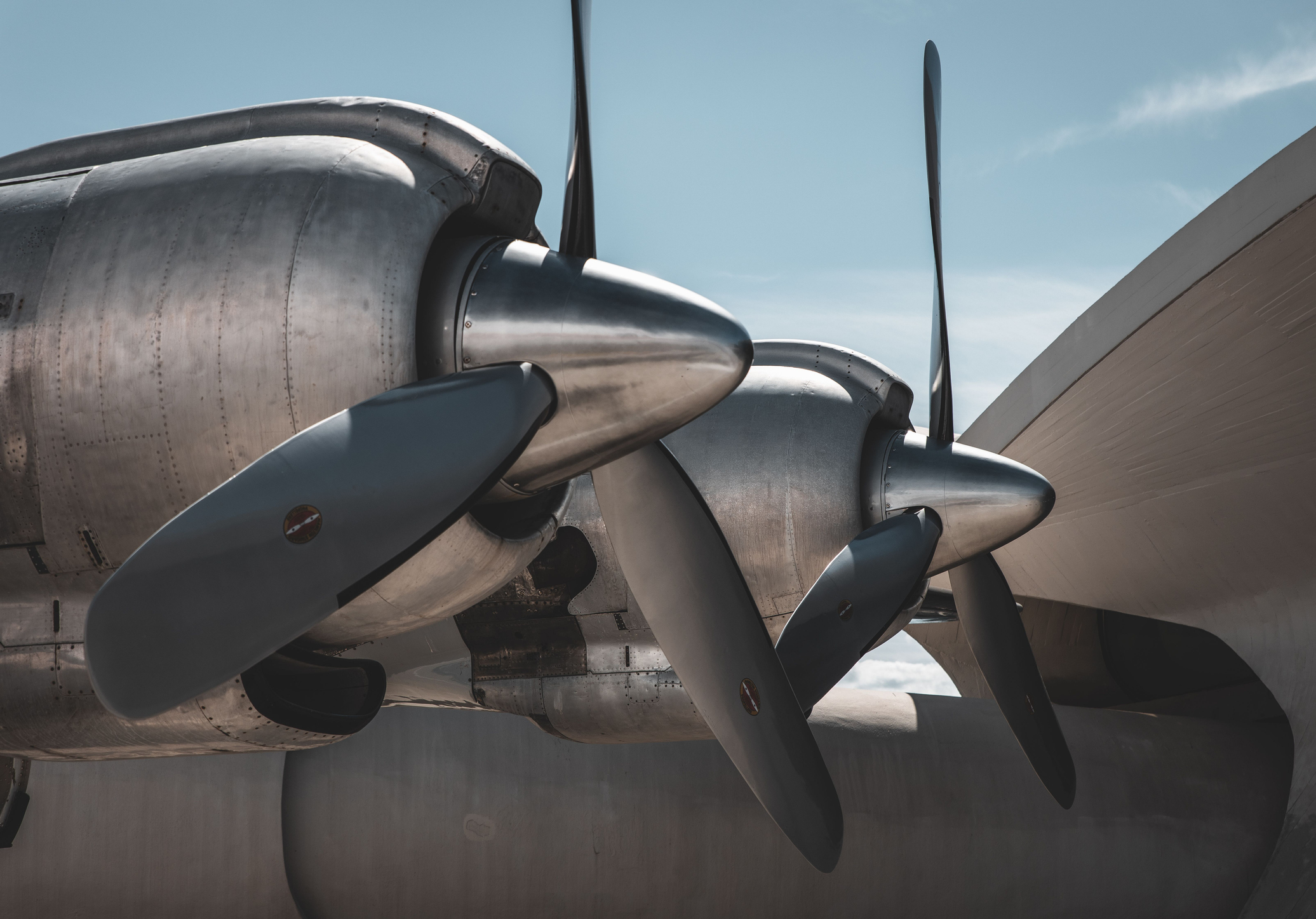
This online engineering PDH course offers a comprehensive overview of aircraft engine systems, propulsion principles, and modern aviation powerplant technologies.
This course explores the operating principles of reciprocating engines, turboprops, turbojets, and turbofans, including how thrust is generated through combustion processes, thermodynamic cycles, and Newtonian action–reaction principles. It examines the relationships between pressure, temperature, mass flow, and mechanical energy conversion that govern aircraft engine performance.
In addition, this course covers key engine components and subsystems such as crankshaft and connecting-rod assemblies, combustion chambers, cylinder cooling methods, ignition systems, lubrication systems, and propeller reduction gearing. It introduces important performance concepts including power-to-weight ratio, specific fuel consumption, altitude derating, vibration control, and thermal management.
Through engineering analysis and practical examples, this course evaluates how engine architecture affects aircraft performance, reliability, maintenance requirements, fuel efficiency, and operational suitability across different aviation sectors. It also examines design innovations such as nitride cylinder barrels, sodium-filled exhaust valves, and dynamic crankshaft dampers used to address thermal stresses, detonation, and vibration challenges.
This 5 PDH online course is applicable to aerospace and mechanical engineers, as well as other technical professionals involved in aircraft propulsion, engine performance evaluation, maintenance, troubleshooting, and aviation system operations.
This PE continuing education course is intended to provide you with the following specific knowledge and skills:
- Understanding aircraft propulsion principles, thermodynamic cycles, and thrust generation mechanisms
- Comparing reciprocating, turboprop, turbojet, and turbofan engine operations and performance characteristics
- Analyzing engine components, lubrication, cooling, and vibration control methods affecting reliability and durability
- Interpreting engine performance metrics, fuel efficiency, and power-to-weight relationships for engine selection
- Evaluating combustion, airflow, ignition timing, and thermal management factors influencing engine efficiency and power output
- Assessing maintenance practices, overhaul requirements, diagnostic indicators, and operational reliability considerations
- Investigating propulsion system trade-offs, technological advancements, and modern aircraft engine applications
- Applying engineering reasoning to diagnose engine issues, evaluate operational risks, and optimize propulsion system performance
In this professional engineering CEU course, you need to review the course document titled, “Introduction to Aircraft Engines”, which is based on the Federal Aviation Administration, Publication No. FAA-H-8083-32B, “Chapter 1: Aircraft Engines”.
Once you complete your course review, you need to take a multiple-choice quiz consisting of twenty five (25) questions to earn 5 PDH credits. The quiz will be based on the entire document.
Upon successful completion of the quiz, print your Certificate of Completion instantly. (Note: if you are paying by check or money order, you will be able to print it after we receive your payment.) For your convenience, we will also email it to you. Please note that you can log in to your account at any time to access and print your Certificate of Completion.